
Loading…
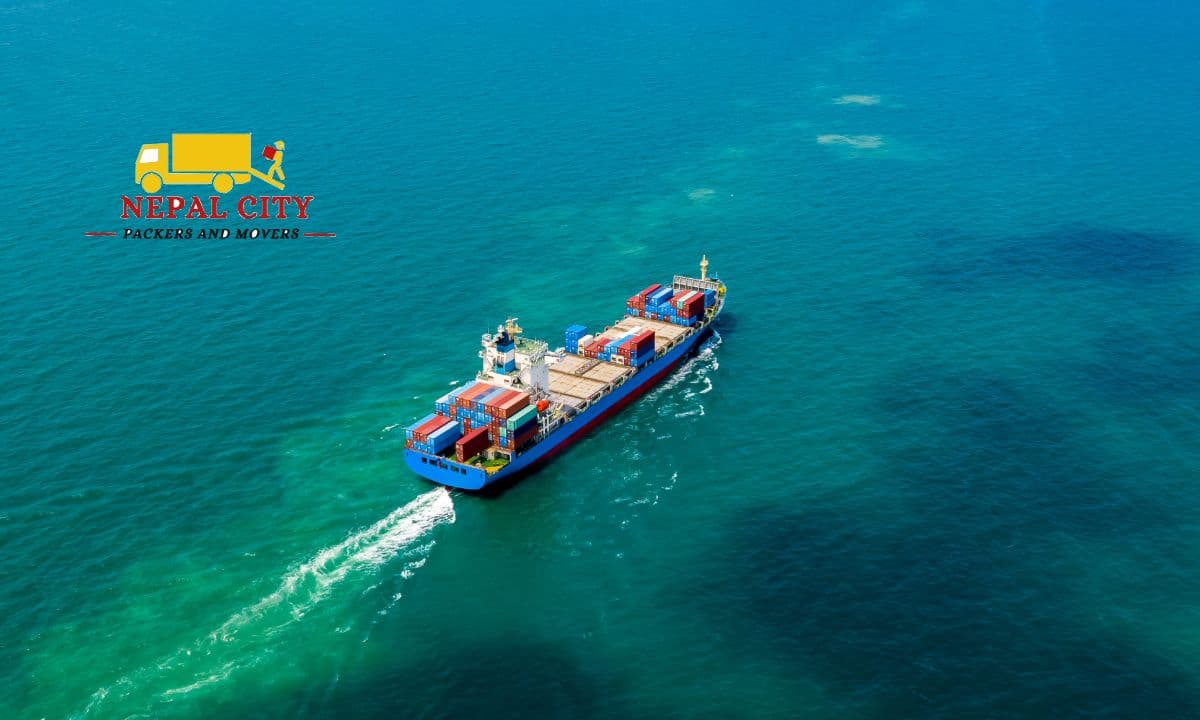
Shipping something out of Nepal, or getting a shipment cleared and delivered somewhere within it, involves more moving parts than most people expect until they're actually doing it. A business exporting a container of pashmina shawls to Germany, a student sending an extra suitcase ahead to Toronto, and a shop in Kathmandu trying to get inventory delivered to a branch in Pokhara are all technically looking for "cargo service" — but they need almost entirely different things.
This guide breaks down how cargo and shipping actually work in Nepal, what documents and costs are involved, and how to choose a service you can trust with something that matters to you.
The word "cargo" gets used loosely, so it helps to separate the two categories clearly before anything else.
A third, related category is courier service — small parcels, documents, and personal packages sent through express networks like DHL, FedEx, Aramex, or Skynet, usually through a local Nepal-based courier partner. Courier is faster and simpler for small shipments, while cargo/freight forwarding is built for bulk, commercial-scale movement.
This is the part almost no competitor page explains clearly, and it matters because Nepal's geography genuinely shapes how shipping works here.
Nepal is landlocked, with no direct access to the sea. This means that any shipment moving by ocean freight has to first travel to a seaport in India — most commonly Kolkata or Visakhapatnam — before being transported overland into Nepal by road or rail.
This overland leg typically crosses through one of Nepal's designated land customs points, the largest and busiest of which is Birgunj, opposite Raxaul in the Indian state of Bihar. Birgunj hosts Nepal's largest dry port and is the primary corridor for third-country trade, meaning the majority of Nepal's sea-freight-based imports and exports physically pass through this single crossing.
Other significant land customs points include Bhairahawa (opposite Sonauli), Kakarbhitta (opposite Panitanki in West Bengal), Nepalgunj (opposite Rupaidiha), and Dhangadhi (opposite Gauriphanta) in the far west. Each of these has its own customs office operating under Nepal's Department of Customs, itself under the Ministry of Finance.
For air cargo, the primary gateway is the Tribhuvan International Airport (TIA) cargo complex in Kathmandu, which handles the bulk of Nepal's international air freight and express courier traffic. Smaller volumes of domestic and limited international cargo also move through airports like Bhairahawa's Gautam Buddha International Airport and Pokhara International Airport, though Kathmandu remains the dominant hub.
Nepal's customs declarations are processed through ASYCUDA World, an internationally used electronic customs management system, which the Department of Customs administers to track and clear shipments at both land ports and TIA.
The choice between air and sea freight comes down to a straightforward trade-off between speed and cost, and it's worth understanding both before requesting a quote.
For most individuals — students shipping personal items, families sending gifts, or someone sending documents — air cargo or standard international courier is the practical choice. For businesses moving container-scale volumes of goods, sea freight is usually far more cost-effective despite the longer transit time, and many businesses use it specifically because the lower per-unit cost matters more than speed for non-urgent stock.
Domestic cargo tends to be the most overlooked topic in this space, even though it's a genuine, frequent need — retailers restocking branches, small businesses fulfilling nationwide orders, individuals sending parcels to family in another city or district.
Within Nepal, domestic cargo commonly moves by road, using cargo companies with route networks connecting Kathmandu to major hubs like Pokhara, Biratnagar, Butwal, Nepalgunj, Dhangadhi, and Chitwan, among others. Delivery timelines depend heavily on road conditions, distance, and season — monsoon-season landslides and road closures in hill sections can delay deliveries beyond normal estimates, so it's worth building in buffer time for shipments during the June–September period. For genuinely time-sensitive domestic shipments between cities served by domestic flights, air cargo is also used, though at a higher cost than road transport.
Pricing for domestic cargo is generally based on weight and volume, with distance as a secondary factor — a small parcel from Kathmandu to Pokhara costs meaningfully less than a large volume shipment to a farther district like Dhangadhi.
This is the single area where clear, accurate information does the most good, because paperwork errors are one of the most common causes of customs delays.
For importing goods into Nepal, the standard documentation typically includes:
For exporting goods from Nepal, particularly by air, the commonly required documents include:
Every declaration submitted to customs — whether import or export — must accurately reflect the value, quantity, description, and correct HS (Harmonized System) code of the goods. Incorrect HS codes or undervaluation are two of the most common triggers for customs delays and valuation disputes, so accuracy here isn't optional paperwork — it directly determines how smoothly a shipment clears.
Understanding roughly how customs charges are calculated helps avoid surprises, even though the exact figure always depends on the specific goods and their classification.
Nepal's customs valuation is generally based on the transaction value — essentially, the price actually paid or payable for the goods, as declared on the commercial invoice. Customs officers can request supporting documents (contracts, bank records, prior invoices) to verify that the declared
value is accurate, and if there's a discrepancy, the matter can go through an administrative review process under the Customs Act.
Broadly, imported goods into Nepal are subject to:
Because rates and exemptions change and vary by product classification, the only reliable way to know the exact duty on a specific shipment is to check the current tariff schedule for that HS code or confirm with a licensed customs agent or the shipment's freight forwarder — general "expect X%" advice found online is often outdated or oversimplified.
This distinction trips up a lot of first-time shippers, so it's worth being direct about it.
If you're sending a document or a small package, you want a courier. If you're moving commercial inventory, machinery, or a large volume of goods, you want a freight forwarder or cargo company.
Every country sets its own rules on what can and cannot be shipped internationally, and Nepal is no exception. While the specific list depends on both Nepali export regulations and the destination country's import rules, commonly restricted or prohibited categories across most international shipping routes include: hazardous and flammable materials, weapons and ammunition, narcotics and controlled substances, counterfeit goods, certain antiques and cultural artifacts (Nepal has specific protections around exporting items of historical or religious significance), endangered species products, and certain high-value items requiring special export licenses.
Because rules vary by destination country and by carrier, always confirm restricted-item lists directly with your courier or freight forwarder before shipping anything you're unsure about — this is a quick check that prevents a shipment from being held or returned at customs.
Realistic timelines depend heavily on shipment type, route, and season, but as a general guide:
With so many cargo and courier companies operating in Kathmandu, a few practical checks separate a dependable provider from a risky one:
Ask whether they handle your specific shipment type — domestic vs international, courier vs bulk freight, air vs sea — since not every company is equally strong across all of these. Confirm whether they provide tracking, and check recent, verifiable reviews rather than relying on testimonials pasted on the company's own website.
Ask directly what documentation they'll need from you and whether they assist with customs clearance, or whether that's left entirely to you. Get a written quote that reflects your actual shipment weight, volume, and destination rather than a vague ballpark figure. And for anything valuable or time-sensitive, ask specifically about insurance coverage and what happens if a shipment is lost, damaged, or delayed.
Whether you're exporting a container of goods to Europe, sending a parcel to family abroad, or shifting stock between cities within Nepal, the right choice of service — courier, air cargo, sea cargo, or domestic road cargo — depends on your shipment's size, urgency, and destination.
Getting the documentation right from the start, understanding realistic timelines, and choosing a provider who's transparent about cost and clearance will save far more time and stress than any express delivery promise on its own.

Nepal City Packers and Movers
Share:
Explore Our Range of Moving & Logistics Services

Experience fast and reliable domestic and international courier services with Nepal City Packers and Movers. Secure delivery for all your packages, locally and globally!

Explore additional services by Nepal City Packers and Movers, including loading, unloading, parking assistance, and more. Tailored solutions for all your needs!

Explore reliable two-wheeler transport services by Nepal City Packers and Movers. Safe, secure, and timely bike transportation locally or across Nepal. Contact us today!
 Nepal City Packers and Movers - Banepa, Kavre
 Top Packers and Movers - Bouddha, Kathmandu
 Professional Packers and Movers - Balaju, Kathmandu
 Reliable and Affordable Packers and Movers - Baluwatar, Kathmandu
 Top-Rated Packers and Movers - Maharajgunj, Kathmandu
 Leading Packing and Moving Service | Nepal City Packers and Movers - Durbarmarga, Kathmandu
 Nepal city packers and movers - Lalitpur, Nepal
 Nepal City Packers and Movers - Thimi, Bhaktapur
 Reliable Packers and Movers - Kupandole, Lalitpur
 Affordable and Reliable Packers and Movers - kalanki, Kathmandu