
Loading…
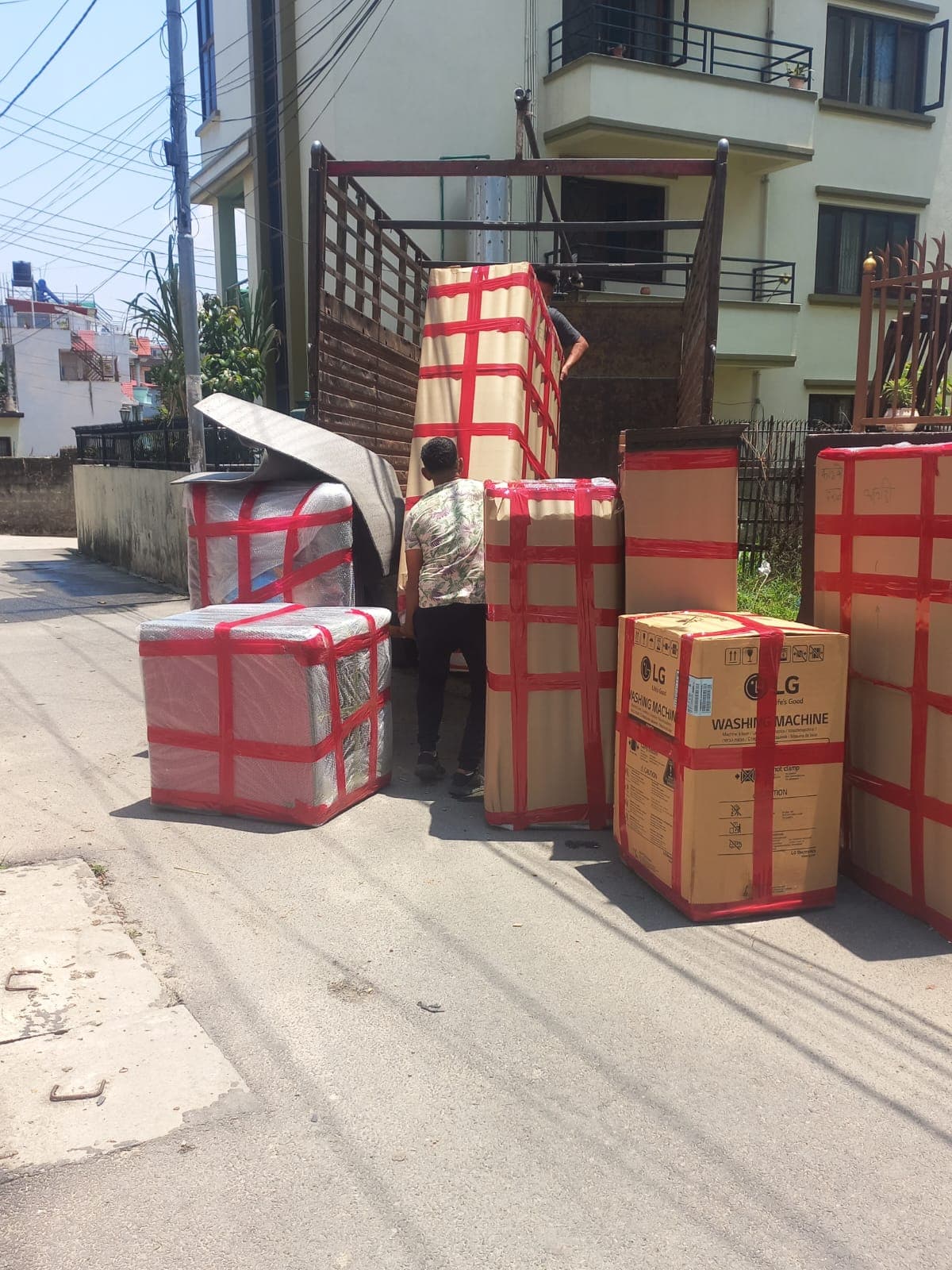
Every day across Nepal, thousands of parcels move between people who've never met — an online shop in Kathmandu sending a customer's order to Butwal, a mother sending homemade pickles to her son studying in Pokhara, a business sending signed contracts from Biratnagar to a partner office in Lalitpur.
All of it runs on the same underlying system: domestic courier service. It's one of the quieter but most essential pieces of infrastructure behind Nepal's growing e-commerce sector, its scattered family networks, and its day-to-day business operations.
And yet, if you've ever actually tried to send something domestically in Nepal — especially for the first time — you've probably run into the same confusion everyone does: unclear delivery timelines, uncertainty about how cash-on-delivery actually works, and no real sense of what happens if something goes wrong along the way.
This guide covers domestic courier service in Nepal from the ground up: how it actually works, what affects delivery time and cost, how COD functions, what you can and can't send, and how to choose a service — including Nepal City Packers and Movers' own domestic courier service — that you can actually rely on.
Domestic courier service refers to the pickup, transport, and delivery of parcels, documents, and packages entirely within Nepal's borders — as opposed to international courier or freight forwarding, which involves customs and cross-border shipping. It's distinct from cargo/freight forwarding, which typically handles bulk or commercial-scale shipments, and from full moving/relocation services, which handle entire households or offices.
Domestic courier sits in its own category: individual parcels and documents, generally lighter and smaller than a cargo shipment, moved quickly and tracked door to door.
Nepal City Packers and Movers offers this as a dedicated service line alongside its moving and relocation work, precisely because the two — while related — solve different problems: one moves your entire household, the other moves a single parcel from your door to someone else's, quickly and reliably.
It's worth being specific about who relies on this service, since the "best" choice genuinely differs depending on which of these groups you fall into:
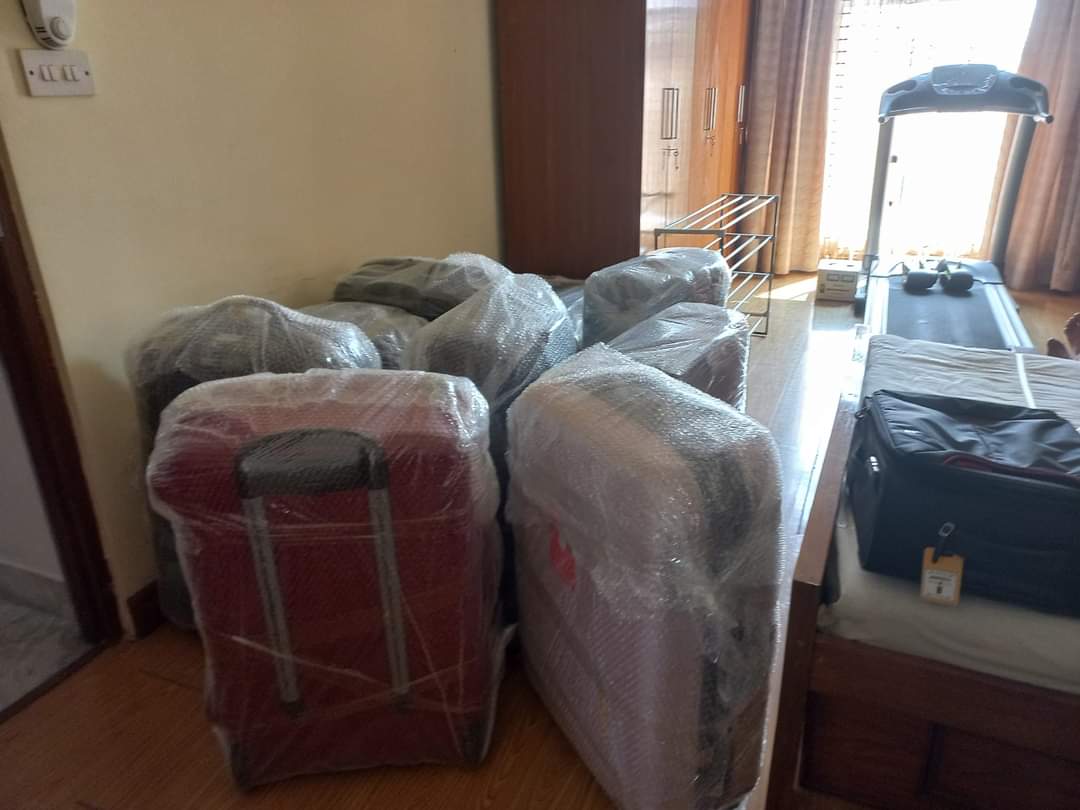
E-commerce sellers and online shops. As online shopping has grown across Nepal, courier services have become the backbone of how goods actually reach customers, particularly through cash-on-delivery, which remains the dominant payment method for online purchases in Nepal. A seller in Kathmandu might be shipping dozens or hundreds of parcels a week to customers scattered across multiple provinces, and needs a courier partner that can handle volume, provide reliable tracking, and manage COD collection correctly.
Individuals sending personal parcels or documents. Gifts for family in another city, documents needed urgently by a relative, personal items being sent between friends — this remains a large and steady share of domestic courier volume.
Small and medium businesses. Sending invoices, contracts, product samples, or business documents between offices in different cities, often needing speed and a reliable paper trail (a signed proof of delivery) more than raw volume.
Government and institutional use. Documents and official correspondence between offices in different districts also move through courier networks, particularly where in-person delivery isn't practical.
Understanding the actual mechanics makes it much easier to know what to expect and to spot when something's going wrong.
Booking and pickup. Most courier services in Nepal offer either drop-off at a local branch or, more commonly for individuals and businesses shipping regularly, free or low-cost pickup directly from your location within Kathmandu Valley, with the courier's team collecting the parcel at an agreed time.
Documentation and consignment note. At pickup (or drop-off), the sender's and receiver's details are recorded, and the parcel is issued a consignment note with a unique tracking number — this number is what allows both sender and receiver to track the parcel's progress and is the single most important piece of information to hold onto if there's ever a dispute or delay.
Sorting and transit. From the pickup point, parcels are sorted by destination and routed through the courier's network — typically a hub-and-spoke model where parcels move from a local collection point to a central sorting hub, then out to the destination city or district via road transport (and occasionally domestic air cargo for time-sensitive or distant shipments).
Local delivery at destination. Once a parcel reaches the destination city, it's handed to a local delivery agent who completes the final door-to-door delivery, often the same day or next day it arrives at that local hub.
Proof of delivery and COD collection. On delivery, the receiver typically signs or confirms receipt, and if the shipment is COD, payment is collected at this point and later remitted back to the sender by the courier company, usually according to an agreed settlement schedule.
This is one of the areas where vague marketing language ("fast," "reliable") does buyers a real disservice.
Here's a realistic, honest breakdown of what to expect by destination:
| Destination | Typical Delivery Time | Notes |
|---|---|---|
| Within Kathmandu Valley (Kathmandu, Lalitpur, Bhaktapur) | Same day to next day | Fastest tier; many couriers offer same-day if booked before a midday cutoff |
| Major cities (Pokhara, Biratnagar, Chitwan/Bharatpur, Butwal, Birgunj, Dharan) | 1–2 working days | Usually reached via established night transit or direct road routes from Kathmandu |
| Other district headquarters and municipalities | 2–5 working days | Depends heavily on road accessibility and whether the courier has a direct route or relies on a sub-agent network |
| Remote hill and mountain districts | Can extend beyond 5 days | Often requires sub-agent or last-mile partner networks; weather and road conditions during monsoon season can add further delay |
A few honest caveats worth knowing: these timelines assume normal conditions — monsoon-season landslides and road closures in hill sections (roughly June to September) can push delivery times beyond the usual estimate for less-accessible districts.
Festival periods like Dashain and Tihar also see a significant spike in parcel volume nationwide, which can slow down turnaround times industry-wide, not just for one company, simply due to the sheer increase in shipments moving through the same networks.
COD deserves its own dedicated explanation because it's central to how a huge share of domestic courier volume in Nepal actually functions, especially for e-commerce, and because almost no competitor page explains it clearly.
The basic mechanic: the sender ships a parcel without requiring upfront payment from the receiver. Instead, the courier collects payment directly from the receiver at the point of delivery, then remits that collected amount back to the sender — typically on a periodic schedule (for example, weekly or biweekly for regular business shippers) rather than instantly after each delivery.
Why it matters so much in Nepal's e-commerce landscape: many online buyers in Nepal prefer to pay only once they've physically received and inspected the product, which makes COD the dominant payment method for a large share of online shopping. For sellers, this means their courier partner isn't just a delivery service — it's effectively also handling a meaningful part of their payment collection process.
What sellers should confirm with a courier before relying on COD at scale: how frequently collected COD amounts are remitted back, whether there's a fee or percentage deducted from COD collections, what happens if a customer refuses the parcel or isn't reachable at delivery, and whether there's a clear reconciliation report so a business can match delivered parcels against payments received.
What individual senders should know: for a one-off personal COD shipment, the process is simpler — the courier collects payment on delivery and typically notifies or transfers it to you within an agreed timeframe. Always confirm the exact amount to be collected is clearly stated on the consignment note to avoid disputes.
Every courier service has its own list of accepted and restricted items, but there are common categories worth knowing before you book:
Commonly and easily shipped: documents and legal papers, personal parcels and gifts, clothing and general merchandise, e-commerce packages, books, and most standard consumer goods.
Requiring special handling or advance notice: fragile items (glassware, electronics, artwork) generally need appropriate protective packaging, which some couriers offer as an add-on service; perishable or temperature-sensitive goods (certain food items, medicines) may have limits on transit time or require specific packaging; high-value items may need to be declared for insurance purposes.
Commonly restricted or prohibited across most courier networks in Nepal, similar to international shipping norms: hazardous or flammable materials, weapons and ammunition, narcotics and controlled substances, and certain items requiring special permits or licenses. Since exact restricted-item policies vary between courier companies, it's always worth confirming directly before shipping anything you're unsure about, rather than assuming.
This distinction genuinely trips people up, and it's worth being direct about it since Nepal City Packers and Movers itself offers services across all three categories.
If you're sending a single package or document, you want domestic courier. If you're a business moving inventory in bulk, you want domestic cargo.
If you're relocating your home or office, you want a moving service. Nepal City Packers and Movers offers all three, which means whichever situation applies, there's a service built specifically for it rather than trying to force-fit a parcel-sized job into a moving-truck-sized service or vice versa.
As with the other services in this cluster, an honest pricing explanation matters more than a vague number. Here's the real framework:
| Factor | Why It Matters |
|---|---|
| Weight and size (actual or volumetric) | Heavier or bulkier parcels cost more to transport |
| Destination distance/zone | Within-valley delivery is cheapest; remote districts cost more due to longer transit and sub-agent handling |
| Delivery speed selected | Same-day or next-day options generally cost more than standard multi-day delivery |
| COD vs prepaid | Some couriers apply a small COD handling fee since it involves additional payment collection and reconciliation work |
| Packaging needs | Fragile or specially packaged items may incur an additional charge for protective materials |
| Volume/frequency | Businesses shipping regularly and in bulk can often negotiate better per-parcel rates than one-off individual shipments |
For accurate pricing, the most reliable approach is to share the parcel's approximate weight, dimensions, destination, and whether COD is needed — a courier quoting a flat rate without this information is likely giving a rough estimate that may not hold for your actual shipment.
Since online sellers are one of the biggest users of this service in Nepal, it's worth addressing their specific needs directly.
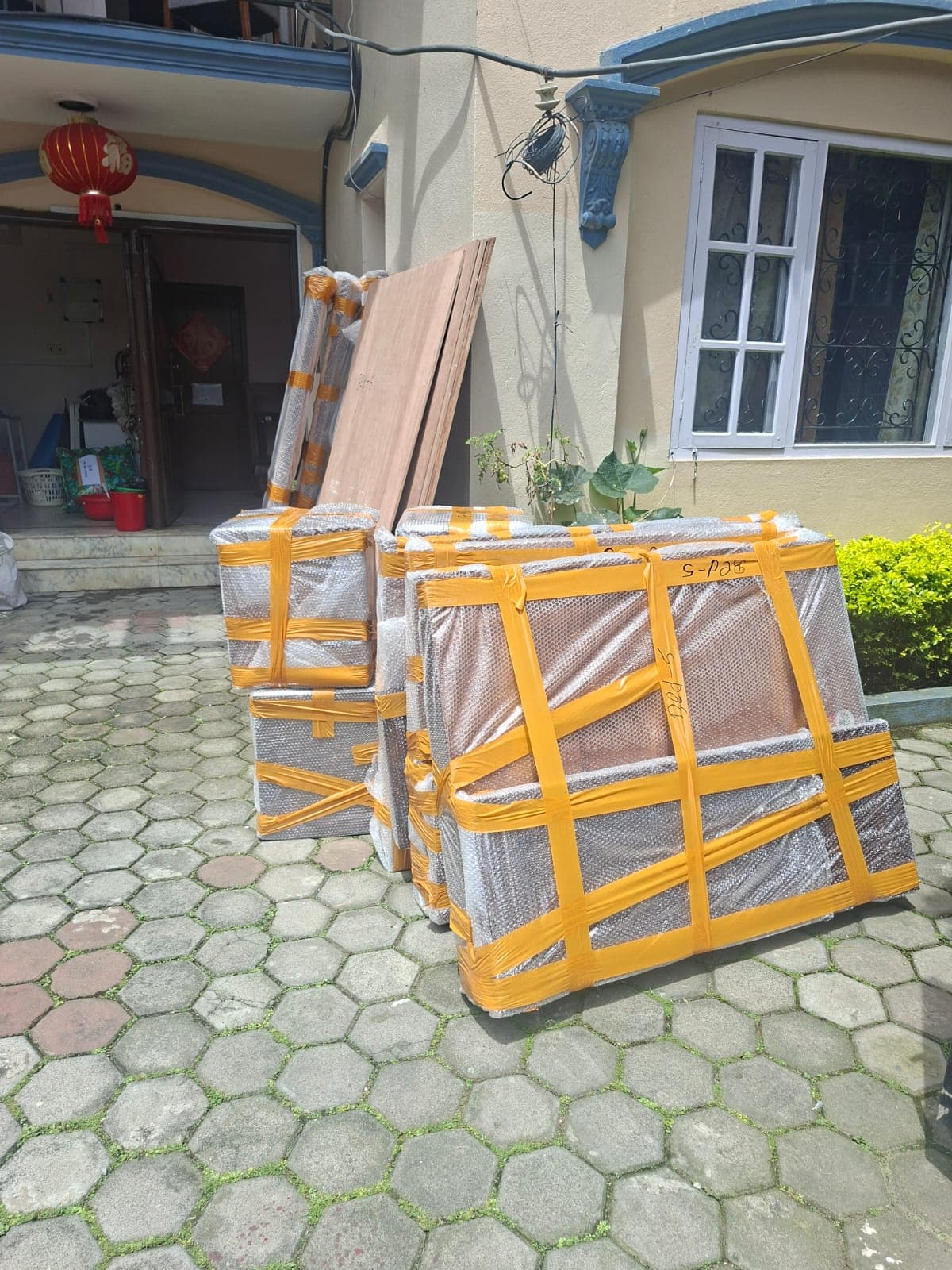
Nationwide reach vs Valley-only coverage. Some couriers are strong within Kathmandu Valley but weaker for remote district delivery. If a seller's customer base is nationwide, confirming actual district-level coverage — not just "we deliver nationwide" as a general claim — avoids disappointed customers in less-served areas.
Modern domestic courier services in Nepal generally provide a tracking number (from the consignment note) that lets both sender and receiver follow a parcel's status — from pickup, through transit, to final delivery. This should be treated as a standard expectation, not a premium feature: any courier unable to provide at minimum a trackable consignment number is a real red flag, particularly for anything valuable or time-sensitive.
Proof of delivery — typically the receiver's signature or confirmation at the point of delivery — is what protects both sender and courier if a dispute arises later about whether a parcel actually arrived. For business shippers in particular, keeping consignment numbers and delivery confirmations organized (even a simple spreadsheet) makes it far easier to resolve any delivery issues quickly.
Even reliable courier services occasionally run into delays, mis-deliveries, or damaged parcels — what matters is how the situation is handled.
Asking a courier directly, before you ever need it, how they handle these situations is one of the most useful things you can do to gauge whether they're a trustworthy long-term partner.
A few concrete things worth checking before committing to a courier, especially for regular or business use:
Nepal City Packers and Movers' domestic courier service is built around these exact principles — reliable pickup, clear tracking through a consignment number, and straightforward handling of both individual and COD-based deliveries — alongside its established moving and relocation services, so the same trusted provider can be the point of contact whether you're sending a single parcel or relocating an entire office.
A practical list for smooth, dispute-free shipping:
How long does domestic courier delivery take within Kathmandu Valley?
Same-day or next-day delivery is standard within Kathmandu, Lalitpur, and Bhaktapur, provided the parcel is booked before the courier's same-day cutoff time, which is typically around midday.
How long does it take to send a parcel to Pokhara or Biratnagar from Kathmandu?
Major cities like Pokhara, Biratnagar, Chitwan, and Butwal are typically reached within 1–2 working days from Kathmandu, often via established intercity transit routes.
How does cash on delivery (COD) work for domestic courier shipments?
The courier collects payment directly from the receiver at the point of delivery, then remits that amount back to the sender, usually on a periodic schedule rather than instantly. It's important to confirm the exact COD amount on the consignment note and ask about remittance timing in advance.
What is a consignment note, and why does it matter?
It's the document issued at pickup or drop-off containing your parcel's tracking number and shipment details. It's essential for tracking your parcel and for resolving any dispute about delivery or COD amounts.
Can I get free pickup for my parcel, or do I need to drop it off myself?
Many domestic courier services in Nepal offer free or low-cost pickup within Kathmandu Valley, especially for regular or bulk shippers. It's worth confirming this directly, since not every service includes it by default.
How long does delivery take to remote districts or hill areas?
This varies more than deliveries to major cities, and can extend beyond 5 working days depending on road accessibility and whether the courier has a direct route or relies on a sub-agent network for last-mile delivery.
What items are restricted from domestic courier shipping?
Common restrictions across most courier networks include hazardous or flammable materials, weapons and ammunition, narcotics and controlled substances, and certain items requiring special permits. Always confirm with your specific courier if you're unsure about an item.
What happens if my parcel is delayed?
Check your tracking status using the consignment number first, then contact the courier directly with that reference number, which speeds up resolution significantly compared to a generic inquiry.
What should I do if my parcel arrives damaged?
Document the damage with photos of both the packaging and the item, ideally before signing for delivery, and report it to the courier immediately. This is much harder to resolve after time has passed.
Is domestic courier the same as cargo service?
No. Domestic courier handles individual parcels and documents, generally smaller and moved quickly with tracking. Domestic cargo handles bulk or commercial-scale shipments, typically priced differently and suited to larger volumes.
Do courier services in Nepal offer bulk pickup for businesses and online sellers?
Yes, many couriers offer scheduled bulk pickups for businesses shipping regularly, often with better per-parcel rates than individual one-off shipments. This is particularly relevant for e-commerce sellers with consistent order volume.
How is domestic courier pricing calculated?
Based mainly on the parcel's weight or volumetric size, the destination distance/zone, the delivery speed selected, and whether COD is involved. Businesses shipping in volume can often negotiate better rates than individual senders.
Can I track my parcel in real time?
Most established domestic couriers provide tracking using your consignment number, letting you follow your parcel's status from pickup through to final delivery. This should be treated as a standard feature, not a premium add-on.
Does festival season (Dashain, Tihar) affect delivery times?
Yes, parcel volume spikes significantly during these periods nationwide, which can slow down turnaround times across the industry, not just with one specific courier. It's worth building in extra time for shipments during these weeks.
Can Nepal City Packers and Movers handle both my courier and moving needs?
Yes. Alongside its domestic courier service for individual parcels and documents, Nepal City Packers and Movers also offers room, flat, house, and office shifting, as well as domestic cargo for bulk shipments — so the same provider can be the point of contact whether the need is sending a single parcel or relocating an entire home or office.
Whether it's a single document that needs to reach Pokhara by tomorrow, a weekly batch of COD orders going out to customers across the country, or a personal parcel for family in another city, domestic courier service in Nepal works best when you know what to actually expect — realistic timelines, clear COD handling, and a trackable consignment note for every shipment.
Share your parcel's details and destination, and Nepal City Packers and Movers' domestic courier service will get it moving with the same reliability behind its moving and cargo services.

Nepal City Packers and Movers
Share:
Explore Our Range of Moving & Logistics Services

Experience fast and reliable domestic and international courier services with Nepal City Packers and Movers. Secure delivery for all your packages, locally and globally!

Explore additional services by Nepal City Packers and Movers, including loading, unloading, parking assistance, and more. Tailored solutions for all your needs!

Explore reliable two-wheeler transport services by Nepal City Packers and Movers. Safe, secure, and timely bike transportation locally or across Nepal. Contact us today!
 Nepal City Packers and Movers - Banepa, Kavre
 Top Packers and Movers - Bouddha, Kathmandu
 Professional Packers and Movers - Balaju, Kathmandu
 Reliable and Affordable Packers and Movers - Baluwatar, Kathmandu
 Top-Rated Packers and Movers - Maharajgunj, Kathmandu
 Leading Packing and Moving Service | Nepal City Packers and Movers - Durbarmarga, Kathmandu
 Nepal city packers and movers - Lalitpur, Nepal
 Nepal City Packers and Movers - Thimi, Bhaktapur
 Reliable Packers and Movers - Kupandole, Lalitpur
 Affordable and Reliable Packers and Movers - kalanki, Kathmandu