
Loading…
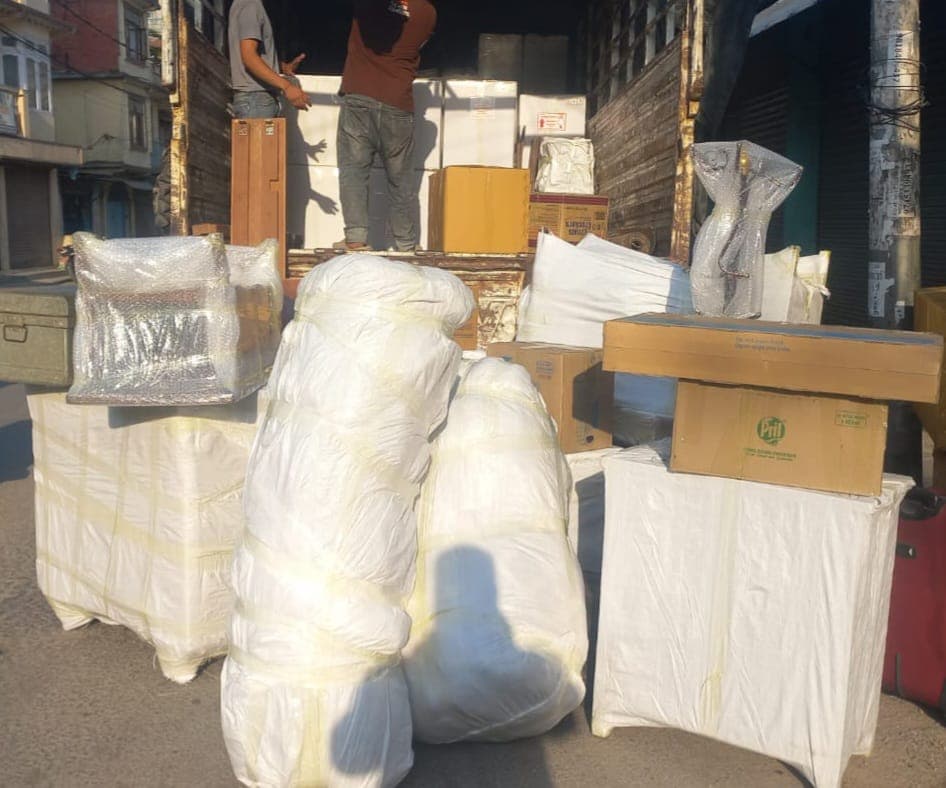
Most room shifts in Kathmandu Valley go wrong in the same quiet way. Nobody forgets the sofa. They forget that the lift at the new building is out of order on Saturdays, that the landlord wanted the room handed back clean, that the fridge needed a day to defrost, or that the one box with the phone chargers went onto the truck instead of staying with them.
A room move is smaller than a full house move, which is exactly why people underestimate it. You carry a bed, a wardrobe, a few boxes, a TV, maybe a washing machine, and you assume one afternoon will cover everything. Sometimes it does. When it doesn't, it usually comes down to something you could have settled a week earlier.
This checklist is built around that idea. It walks you through what to do before moving day, in the order that actually makes sense, with the small Kathmandu-specific details that general moving guides skip: narrow lanes, rented rooms, staircases without lifts, patchy water supply, and landlords who like to inspect.
Whether you hire help or manage it with friends and a pickup, you can use it as a working document. Read it once, then print the table near the end and tick things off.
Before the checklist makes sense, you need to place your move in one of a few common situations. The preparation is different for each.
Moving out of a rented room into another rented room. This is the most common case in the Valley. You are probably dealing with a landlord handover, a security deposit, and a tight overlap between the old and new rent periods.
Moving into a flat or apartment. Look at building rules first. Some buildings restrict moving hours or require you to inform the management or the neighbours.
Moving between cities. A move from Kathmandu to Pokhara, Butwal, Biratnagar or anywhere else is a different exercise. Packing needs to survive hours on the road, and timing depends on the route.
Moving a single room's worth of things. Students, job-holders and people relocating for work often own one bed, a mattress, a table, a few boxes and a bike or scooter. Smaller loads are easier, but narrow access and stairs matter more because there is less margin.
You can shift a room in a day, but you should not plan it in a day. The table below is a realistic schedule. If you only have a week, compress it rather than skip steps.
| When | What to do |
|---|---|
| 4 weeks before | Confirm your move date, give notice to your landlord, start sorting belongings, and begin collecting boxes |
| 3 weeks before | Ask for quotes from moving companies, inspect the new room, and measure doors and stairs |
| 2 weeks before | Book your movers, start packing items you won't need, and arrange utilities |
| 1 week before | Pack most things, label boxes, confirm timing with everyone involved, and arrange cleaning |
| 2 to 3 days before | Pack the last non-essentials, disassemble furniture, and set aside documents and valuables |
| 1 day before | Defrost and drain appliances, pack your essentials bag, and reconfirm the movers |
| Moving day | Supervise, check rooms, take photos, and do the handover |
| 48 hours after | Unpack essentials, inspect items, and sort out connections and address changes |
A word on the four-week start. If the move is forced on you, say your landlord has given you ten days, the timeline still works. Take the first three rows and do them in one weekend. The point is the sequence, not the calendar.
Every extra box costs you something: packing time, loading time, carrying effort, and often a higher quote. The cheapest item to move is the one you never pack.
Start with a hard look at each corner of the room.
Clothes. Pull out everything you haven't worn in the past year. Donate what is in good condition. Pack seasonal items separately so they stay out of the way until you need them.
Kitchen items. Be honest about the cooking gear you actually use. Old plastic containers without lids, duplicate utensils and half-used jars of spices add weight and mess.
Papers. Sort documents into things you need to carry yourself, things to archive, and things to throw away. Old bills and expired warranty cards can go.
Furniture. Measure before deciding. A wardrobe that fit up the stairs when it was delivered may not fit down them, and the new room might be smaller. Some furniture is simply not worth the cost of moving.
Electronics. Gather cables and chargers into one labelled bag per device. This one habit saves hours at the other end.
Selling or giving away what you don't need also pays for part of the move. Friends, neighbours and local online groups are the usual route in the Valley, and a quick post with a photo is enough.
Searching for packers and movers near me gives you a long list, and the first few results tell you very little about who will actually turn up on your day. Price is only one input. The questions below matter more.
Do they ask about your move before quoting? A reliable company will ask what you are moving, what floor you are on, whether there is a lift, how narrow the access is, and how far you are going. A quote given without any of this is a guess.
Is the quote itemised? You should see what is included: labour, vehicle, packing material, dismantling and reassembly, loading and unloading, and any extra charge for stairs or waiting time.
Can they explain how they handle fragile items and appliances? Ask directly. You want specifics, not "we handle everything with care."
Is there a real office or branch? A physical address, a working phone number and an email address are basic signs that someone is accountable. Nepal City Packers and Movers, for instance, lists its Kathmandu address and a branch page for Lalitpur, so you can find the team in person if you need to. You can see how we handle moves across the Valley before you call.
What happens if something is damaged? Ask before the move, not after. Find out how they handle claims and what they need from you, such as photos taken at the time.
If you are comparing two or three packers and movers in Kathmandu, give each of them the same details and compare the answers side by side. The cheapest quote often leaves something out, and the most expensive one is not automatically the best.
If your move includes only a room's worth of belongings, look for a company that offers room shifting services as a defined service rather than treating small moves as an afterthought. Small loads need a vehicle sized to match and a crew that doesn't rush.
You do not need to be an expert to read a quote. You need to know what to look for.
| Item | What to check |
|---|---|
| Vehicle | Size and type, and whether it suits your access road |
| Crew | Number of helpers and whether loading and unloading are both covered |
| Packing | Who supplies boxes, tape, bubble wrap and blankets, and whether this is charged separately |
| Dismantling and reassembly | Beds, wardrobes and shelves, and whether tools are included |
| Stairs | Charges for carrying items up or down floors without a lift |
| Waiting time | What happens if the new room isn't ready on time |
| Distance | Local within the Valley or longer routes, as these are priced differently |
| Extras | Cleaning, vehicle transport, storage or courier, if you need them |
| Payment | When payment is due and by what method |
Ask for the total in writing, even if only as a message. If the final amount changes on the day, you will have something to point to.
Prices in Nepal vary with the size of the load, the floor, the access and the distance, so any figure quoted without those details should be treated as a rough estimate. A good company will tell you this plainly. If you want a number for your own situation, the quickest route is to describe your move and ask for an itemised estimate.
This is the step people skip, and it causes some of the most annoying problems on moving day.
Visit the new place at least once before the move. Take a tape measure, your phone and a short list of questions.
Measure the doorways, staircases and turns. A bed frame or a large cupboard that cannot turn on a narrow stairwell will either get stuck or be damaged. Write the measurements down.
Check the access. Can a vehicle reach the entrance? How far is the parking spot from the door? In many Kathmandu lanes, the truck stops a distance away and everything is carried by hand. That changes the time and the cost.
Ask about the building rules. In flats and shared buildings, ask whether there are restricted hours for moving, whether the lift can be used for furniture, and whether you must inform the owner or management.
Test the basics. Switches, sockets, taps, the water supply, the geyser if there is one, and mobile signal. If something doesn't work, ask for it to be fixed before you arrive rather than after.
Photograph the room. Time-stamped photos of the condition on arrival protect your deposit later. Do the same at the old place when you leave.
Decide where things will go. Even a rough idea of where the bed, wardrobe and desk will sit saves the crew from carrying things back and forth.
You can save a surprising amount of effort by packing in a deliberate order. Pack the things you use least first, and the things you use daily last.
Start with off-season clothing, spare bedding and anything stored under the bed. Keep a set of fresh sheets and a pillow out for your first night. Fold or roll clothes tightly, or leave them on hangers inside a wardrobe box or a clean bag if you are moving short distances. Pack shoes in pairs, soles together, in a separate box.
Mattresses should be kept clean and dry. If you have a covering or a spare plastic sheet, use it. In monsoon season, which runs roughly from June to September in Nepal, a sudden shower during loading can soak an uncovered mattress, so plan for it.
Many people in rented rooms cook in a corner, so the "kitchen" is a handful of pots, a gas stove and a shelf. That makes it easy to underestimate.
Books, files and electronics need separate thinking.
Bathrooms are the room where leaks happen. Tighten all caps, put bottles inside sealed plastic bags and pack cleaning liquids separately from food items. Keep a towel, toilet paper and soap in your essentials bag. Store anything breakable, such as mirrors, wrapped and upright.
Appliances cause more damage claims than almost anything else, mostly because of avoidable preparation mistakes.
Refrigerator. Empty it completely and defrost it, ideally at least a day before moving, so there is no water inside. Clean and dry the inside, and tape the doors shut with removable tape. Keep it upright during transport. When you reach the new room, let it stand for some hours before plugging it in. Check your manual for the exact waiting time recommended for your model, because it varies.
Washing machine. Drain all water from the hoses and the drum. Remove any loose parts and, if your model has transit bolts or a locking kit, use them. Secure the power cable and hoses so they don't dangle. If you don't have the transit bolts, tell your movers so they can pad the drum and keep the machine upright.
Television. Use the original box if you have it. If not, wrap the screen in a soft blanket and protect the corners. Keep the TV upright in the vehicle and never lay a flat-screen on its face. Don't pack heavy items against it.
Air conditioner or geyser. These usually require a technician to disconnect and reinstall properly. Arrange this ahead of time, not on the day.
Computers and small electronics. Back up your data before the move. Take photos of cable connections. If you can, carry laptops and external drives yourself.
For deeper detail, Nepal City Packers and Movers has a guide on moving refrigerators, washing machines and ACs safely, which is worth reading before you start disconnecting anything.
Furniture is where room shifts become physical. Plan it before moving day.
Beds and frames. Take apart what can be taken apart. Put screws, bolts and fittings into a labelled bag and tape the bag to the largest piece. Photograph the frame before dismantling so reassembly is simple.
Wardrobes and cupboards. Empty them. Even if the crew could carry them full, the weight increases the risk of damage to you, the furniture and the stairs. Remove shelves and loose doors where possible and tape drawers shut.
Tables and chairs. Remove legs from tables if they unscrew. Stack chairs and wrap them together.
Plan the route. Decide in advance which items go out first. Large pieces go first so they are not blocked by boxes. At the new place, large furniture should be set first so the room is not blocked by boxes.
Spending half an hour on this the day before will reduce confusion enormously on moving day.
Some things should never travel in the truck.
Keep with you: citizenship certificate, passport, driving licence and vehicle documents, your rental agreement, bank cards and cash, jewellery, medicines, laptop and phone with chargers, and any important keys.
Make backups. Photograph or scan key documents and store them on your phone and in an email you can access. If something goes missing, a copy speeds everything up.
Pack an essentials bag. This is the single most useful thing you can prepare. It should hold what you need for the first 24 hours, so you aren't ripping open boxes at night:
Keep this bag in your hand or with you in the vehicle until you reach the new room.
Packing gets all the attention, but the paperwork and connections decide how comfortable your first week will be.
Landlord and notice. Check your rental agreement for the notice period and handover process. Confirm in writing, even by message, the day you will return the keys and how the deposit will be settled.
Electricity. If your room has its own meter or you pay a shared bill, settle the last reading and payment with your landlord. For anything related to a new connection or your own meter, the Nepal Electricity Authority is the official utility to contact.
Water. Water supply across Kathmandu Valley is not equally reliable in every neighbourhood, so ask the new landlord or neighbours how it works: whether there is a tank, how often water arrives and whether there are shared arrangements. Kathmandu Upatyaka Khanepani Limited is the main water utility in the Valley, and its website, KUKL, is the place to start for connection and billing questions.
Internet and TV. Contact your provider early. Some need a few days to relocate or reinstall a connection, and it is easier to ask before you move than after.
Address updates. Update your address with your bank, employer, school or college, and any services that send you deliveries. Do it in the first week while it is still on your mind.
By now most of your packing should be done. The last week is about reducing risk.
Treat this as a checkpoint, not a packing day.
Here is a rough picture of how a room shift runs when it is well prepared. Times will shift based on distance and access, but the order stays the same.
Early morning. Get up on time, eat something and do a final check of your essentials bag. Open all doors and clear the entrance.
Before the crew arrives. Walk through the room one last time. Tape or mark anything fragile. Put the items that are not going on the vehicle, such as your bag and valuables, in a separate place and tell everyone.
When the crew arrives. Greet them and walk them through the room. Point out fragile items, heavy furniture and the order you would like things moved. Agree on the plan for stairs and parking. This five-minute conversation prevents most problems.
During loading. Stay present. You don't have to stand over anyone, but be nearby and available for questions. Large items go first, boxes next, and fragile items last and on top. Check that the vehicle is not overloaded in a way that puts glass or electronics at risk.
Before leaving the old place. Do a final check of every cupboard, shelf, bathroom corner, balcony and outdoor space. Look inside drawers and behind doors. Switch off the lights, close taps, lock the room, return keys and get the handover confirmed. Take photos of the empty room.
At the new room. Arrive before or with the vehicle. Tell the crew where each large item should go. Place boxes in the rooms marked on the labels. Reassemble the bed first so you have somewhere to sleep.
Before the crew leaves. Check that everything has been delivered, count the boxes, and look at your furniture and appliances for any damage. If you find something, take a photo and mention it immediately, not days later. Settle the payment as agreed.
You can avoid most of these simply by knowing they exist.
Booking late. Weekends, month-end and festive periods are busy. In Nepal, the Dashain and Tihar period in autumn sees many people travelling and relocating, so book earlier than usual if your move falls near then.
Underestimating the volume. People often say "it's only a few things" and then discover the room holds more than they imagined. Do a quick inventory so your quote reflects reality.
Leaving packing until the last night. Rushed packing leads to broken items and forgotten belongings.
Packing valuables with everything else. Keep them with you.
Ignoring access. If the vehicle cannot reach the door, tell the company in advance so they can plan labour and time.
Paying everything upfront. Agree payment terms in advance and avoid paying the full amount before the work is done unless there is a clear reason.
Sometimes you cannot plan. A landlord changes their mind, a job starts early or a lease ends sooner than expected. If you are searching for packers and movers near me at short notice, speed and clarity are what matter.
Here is how to handle a rushed move without making it worse.
Call early in the day. The sooner a company knows the size of the job, the better it can arrange a vehicle and crew.
Describe your move precisely. Tell them the floor, what you have, whether there is a lift, and where you are going.
Pack in priority order. Documents, valuables, essentials and electronics first. Furniture can be handled by the crew.
Skip perfection. Use bags, blankets and boxes you already have. Labelling and a short list of contents still matter.
Take photos as you go. You won't have time for a careful inventory, so photos are your record.
Nepal City Packers and Movers has a guide to same-day and emergency shifting in Kathmandu if this is your situation.
Many people shifting a room in Kathmandu also own a motorbike or scooter. If you are moving within the Valley, you may simply ride it. For a longer move, transport can be the safer and easier option.
If you plan to transport it:
Nepal City Packers and Movers lists two-wheeler transport among its services, locally and across Nepal, so you can arrange it together with your room shift instead of separately.
Moving day does not end when the vehicle leaves. The next two days decide how settled you feel.
Set up sleep first. Reassemble the bed, make it with the sheets from your essentials bag, and you are done for the day.
Check the utilities. Test water, power and the internet. Find out where the meter, the tank and the fuse box are.
Unpack the kitchen and bathroom. These are the rooms you use every day. Get them working first.
Inspect your belongings. Compare what arrived with what you sent. Photograph any damage and report it to the company promptly.
Plug in appliances carefully. Give the fridge the rest period recommended in its manual before switching it on. Check the washing machine hoses for leaks.
Print or screenshot this table, and tick items as you go.
| Done | Task |
|---|---|
| ☐ | Fix the move date and tell the landlord in writing |
| ☐ | Sort and remove what you don't need |
| ☐ | Inspect the new room and measure doorways and stairs |
| ☐ | Get itemised quotes from two or three movers |
| ☐ | Book your movers and confirm the date |
| ☐ | Collect boxes, tape, labels and blankets |
| ☐ | Pack off-season and rarely used items |
| ☐ | Arrange appliance and AC technician if needed |
| ☐ | Plan internet, water, gas and electricity arrangements |
| ☐ | Pack and label everything room by room |
| ☐ | Back up laptop and phone data |
| ☐ | Photograph valuables and the old room |
| ☐ | Defrost the fridge and drain the washing machine |
| ☐ | Disassemble furniture and bag the screws |
| ☐ | Pack your essentials bag and documents bag |
| ☐ | Reconfirm the crew and arrival time |
| ☐ | Do a final walkthrough of the old room |
| ☐ | Return the keys and confirm the deposit process |
| ☐ | Check the delivery against your list at the new room |
| ☐ | Report any damage the same day |
| ☐ | Update your address with banks, employer and services |
Ideally four weeks before the move, although you can compress the timeline if you have less time. The earliest steps are sorting your belongings, informing your landlord and getting quotes. If you only have a few days, focus on booking help, packing essentials and documents, and doing your handover checks.
Fix your move date and confirm the handover terms with your landlord. After that, inspect the new room, measure access points and decide what you are taking with you. Everything else, including quotes and packing, depends on those three decisions.
Look for a company with a visible address and phone number, one that asks detailed questions before quoting and gives you an itemised estimate. Ask how they handle damage claims and whether the crew will dismantle and reassemble furniture. Comparing the same information across two or three companies is the safest approach.
It depends on how much you are moving, the floor you live on, whether there is a lift, how far the vehicle can get to the entrance and the distance. Because these factors vary, honest companies give an estimate after hearing the details. Ask for an itemised quote and check what is included, such as packing material, dismantling and stair charges.
For a very small load with easy access, a pickup and a couple of friends can work. If you have a bed, wardrobe, appliances and stairs, a trained crew reduces the risk of damage and injury. A quote costs nothing, so compare the two options before deciding.
Documents such as your citizenship certificate, passport, licence and rental agreement, plus cash, bank cards, jewellery, medicines, your laptop, phone and chargers. Also keep an essentials bag with clothes, toiletries and bedding for the first night.
Pack the least-used items first and daily items last. Use small boxes for heavy items such as books, fill gaps with soft items, tape boxes securely and label them on at least two sides with the room and contents. Pack fragile items separately and mark them clearly.
Empty and defrost it at least a day before, clean and dry the inside and tape the doors shut. Keep it upright while it travels. At the new room, let it stand for the time your manual recommends before plugging it in.
Drain all water from the drum and hoses and secure the cables. If your model has transit bolts or a locking kit, fit them, and tell the crew if you don't have them so they can pad the drum and keep the machine upright.
Many can, but you should confirm it before booking and check whether it is included in the quote or charged separately. Keep screws and fittings in a labelled bag and photograph the furniture before it is taken apart.
Yes, in almost all cases. Emptying it reduces weight, protects the furniture and reduces the risk of injury. Remove shelves and loose items and tape the doors and drawers shut.
Tell the company in advance. In many Kathmandu lanes, the vehicle stops some distance from the door and items are carried by hand. This affects time and labour, so it should be reflected in the quote.
Mention the floor number when you request a quote. Carrying items up or down stairs takes more time and effort, and some companies charge extra for it. Measure staircases and doorways before moving day so large furniture doesn't get stuck.
You can, but you need to plan for rain. Cover mattresses, furniture and cardboard boxes with plastic sheets, keep electronics wrapped and check the forecast before the day. If you have flexibility, choose a dry day. In Nepal the monsoon runs roughly from June to September.
You can, but availability is tighter and many people travel, so book earlier than usual. Confirm your slot clearly and ask the company about timing, because traffic and staffing can both be affected.
Photograph the room when you move in and when you leave. Clean it, repair small damage you are responsible for and agree on the handover and deposit settlement in writing. Return the keys in person if you can.
Some do. Nepal City Packers and Movers, for example, lists cleaning among its additional services. Ask whether it can be combined with your move and how it is priced.
Yes, two-wheeler transport is available from some companies, locally and for longer distances. Take photos of the vehicle first, secure loose accessories, keep your documents and keys with you and confirm who handles loading and unloading.
Check items when they arrive and photograph the damage straight away. Tell the crew or the company the same day, not weeks later. Having photos from before the move, plus a basic list of your belongings, makes any discussion easier.
Ask what is included in the quote, how stairs and waiting time are charged, who provides packing material, whether furniture is dismantled and reassembled, how fragile items are handled, what happens if something is damaged and how and when payment is made. Ask for the answers in writing.
A good checklist gets you most of the way. The rest is having the right people on the day: a crew that listens, a vehicle that fits your load, and a quote you understand.
If you are comparing packers and movers near me, we would like to be one of the teams you talk to. Tell us what you are moving, which floor you are on, how access looks and when you need to shift, and we will help you work out the plan.
Here is where to go next:
Talk to us on WhatsApp: +977 9851364869
Send a short message with your current location, your new location and a rough list of what you are moving, and we will reply with the next steps.

Nepal City Packers and Movers
Share:
Explore Our Range of Moving & Logistics Services

Experience fast and reliable domestic and international courier services with Nepal City Packers and Movers. Secure delivery for all your packages, locally and globally!

Explore additional services by Nepal City Packers and Movers, including loading, unloading, parking assistance, and more. Tailored solutions for all your needs!

Explore reliable two-wheeler transport services by Nepal City Packers and Movers. Safe, secure, and timely bike transportation locally or across Nepal. Contact us today!
 Nepal City Packers and Movers - Banepa, Kavre
 Top Packers and Movers - Bouddha, Kathmandu
 Professional Packers and Movers - Balaju, Kathmandu
 Reliable and Affordable Packers and Movers - Baluwatar, Kathmandu
 Top-Rated Packers and Movers - Maharajgunj, Kathmandu
 Leading Packing and Moving Service | Nepal City Packers and Movers - Durbarmarga, Kathmandu
 Nepal city packers and movers - Lalitpur, Nepal
 Nepal City Packers and Movers - Thimi, Bhaktapur
 Reliable Packers and Movers - Kupandole, Lalitpur
 Affordable and Reliable Packers and Movers - kalanki, Kathmandu