
Loading…
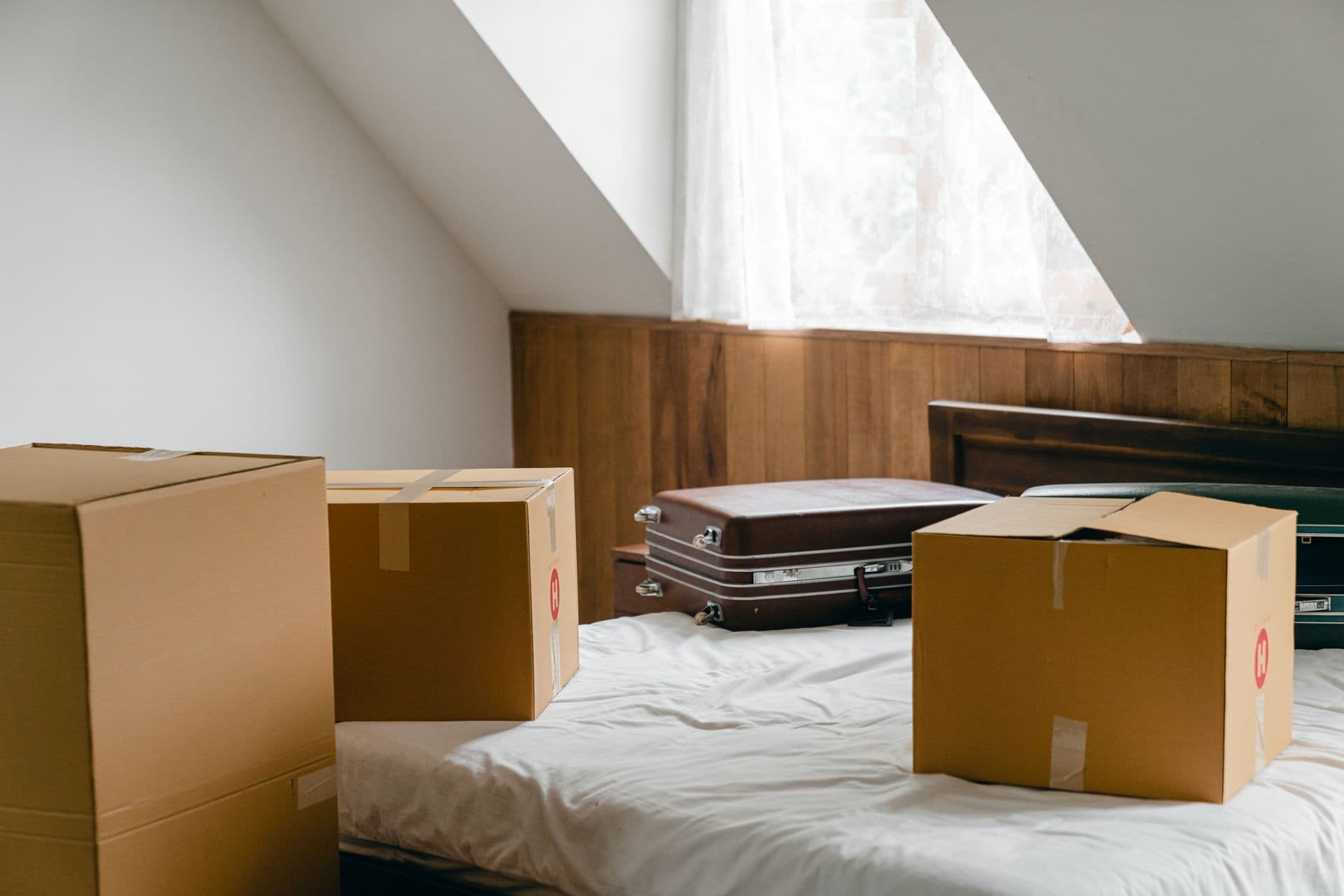
Most bad moving experiences in Nepal don't come down to bad luck. They come down to a handful of predictable, avoidable mistakes — the same ones, in roughly the same order, across thousands of household moves every year. A quote accepted without enough detail.
A fragile item packed carelessly at midnight. A building's lift access discovered to be a problem only after the truck arrives. None of these are dramatic on their own, but together they're what turns a manageable move into a stressful, expensive one.
This guide walks through the seven biggest home shifting mistakes people make in Nepal — why each one happens, what it actually costs you when it goes wrong, and exactly how to avoid it. If you're planning a move, read this before you book anyone.
Someone calls a moving company, describes their home in a sentence or two — "it's a 2BHK flat" — and accepts whatever number comes back over the phone, without discussing floor access, actual furniture volume, distance, or any specific challenges at either location.
It feels faster. Getting a number quickly and moving on to the next task is appealing, especially when you're already juggling a dozen other moving-related decisions. There's also a natural assumption that "a 2BHK is a 2BHK" — that movers have a standard rate for standard-sounding situations.
This is, by a wide margin, the single most common cause of moving-day price disputes in Nepal. A quote given without real details is a guess, and guesses get revised — usually upward, and usually at the worst possible moment, when the crew is already at your door and you have very little leverage to push back.
Common surprises include: extra charges for floors without lift access that weren't factored into the original number, additional fees for narrow-lane carrying that the mover didn't know about, and charges for packing materials that were assumed to be included but weren't.
Share genuine details before accepting any quote — your approximate room count and furniture, floor level and whether there's a working lift, the distance between old and new locations, and any known access challenges (narrow lanes, no parking near the entrance). For anything beyond a very small room move, ask for either an in-person assessment or a detailed conversation with photos rather than a number given blind.
Get the quote in writing — even a clear WhatsApp message — so there's something to refer back to if a dispute arises later.
| What to Share Before Accepting a Quote | Why It Matters |
|---|---|
| Approximate volume (rooms, major furniture, rough box count) | Determines vehicle size and labor hours |
| Floor level and lift availability | Major cost factor, especially in older Kathmandu buildings |
| Distance between old and new home | Affects transport time and cost |
| Known access challenges (narrow lanes, parking) | Prevents surprise charges for extra manual labor |
| What's included (packing materials, disassembly) | Avoids assuming something is covered when it isn't |
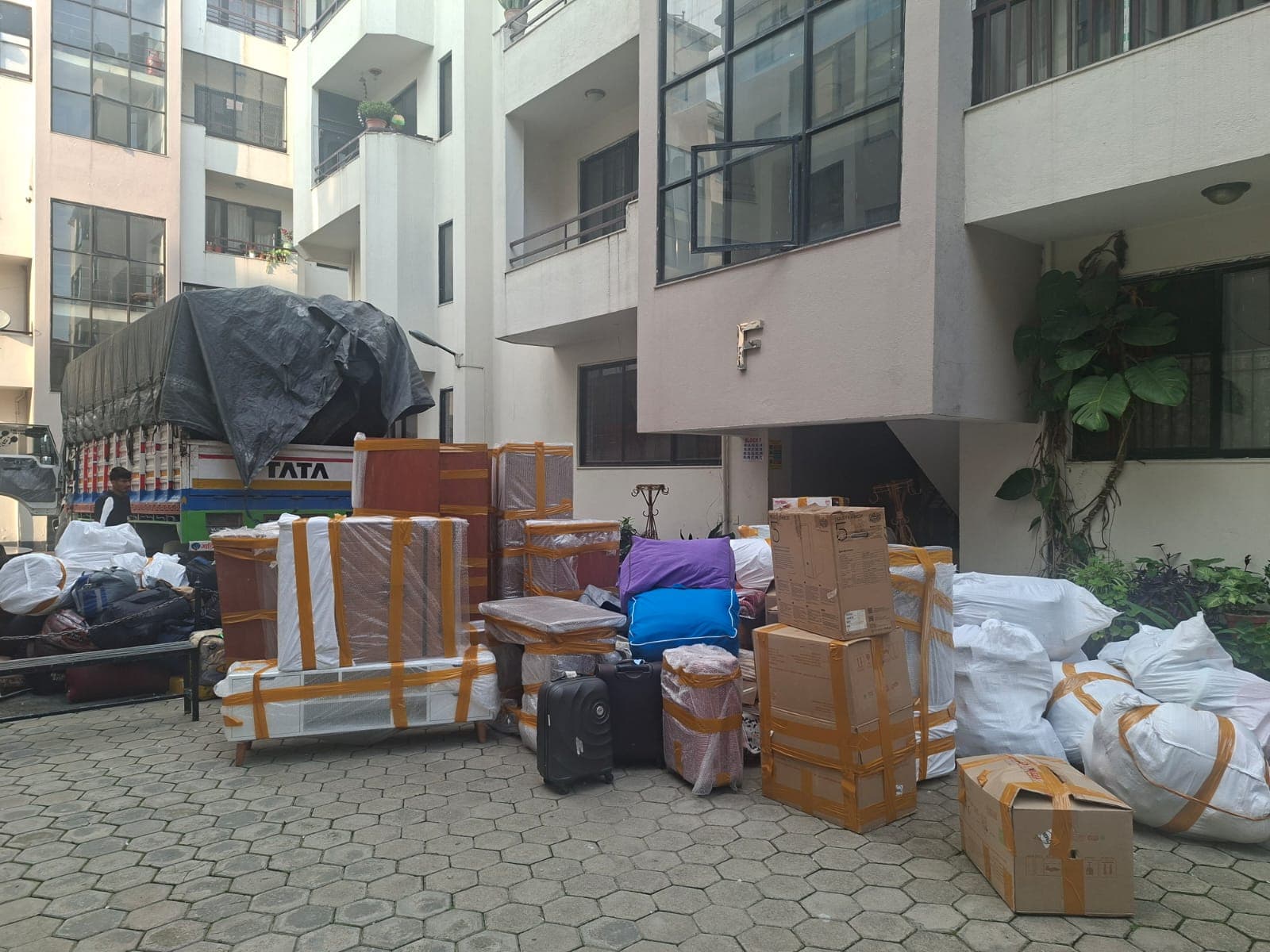
Glassware wrapped loosely in newspaper and tossed into a general box with other items. Plates stacked flat instead of on their edge. Mirrors and framed artwork laid flat under other boxes. Electronics packed without any padding beyond whatever bag or cloth was nearby.
Fragile-item packing feels intuitive — "wrap it in something soft" seems like enough — and properly packing everything the right way takes noticeably more time and materials than a quick, careless approach, especially when packing happens under time pressure in the final days before a move.
This is where the majority of preventable moving damage happens, and it's rarely one dramatic drop that causes it. More often, it's compression (something heavy stacked on an unpadded fragile item), vibration over the course of the journey (items shifting and knocking against each other because a box wasn't fully packed), or simple impact from careless handling of an inadequately protected item.
The items that break this way are disproportionately the ones people care about most — inherited dishware, a mirror with sentimental value, electronics that are expensive to replace.
A few non-negotiable rules: wrap fragile items individually, never as a group, even within the same box. Pack plates and flat dishes vertically on their edge, never stacked flat. Fill every gap in a box with paper or packing material so nothing can shift — do a gentle shake test before sealing. Store mirrors and framed items on their edge during transport, never flat.
Use proper materials — bubble wrap and plain (unprinted) packing paper, not whatever's lying around the house. And for anything genuinely valuable or irreplaceable, consider having it professionally packed even if you're handling the rest of the move yourself — Nepal City Packers and Movers offers fragile-item-specific packing as a standalone service precisely for this situation, using proper materials and item-appropriate technique for exactly the pieces you're most worried about.
Booking a standard-size moving truck without mentioning that the current home sits on a narrow lane a large vehicle can't reach, or that the building has no lift and the flat is on the fourth floor, or that the new apartment complex requires advance booking for lift access on moving day.
These details feel like "obvious local knowledge" that doesn't need to be stated explicitly, or people genuinely don't realize how much they affect a move until the crew is standing at a lane too narrow for their truck.
In Kathmandu specifically, this mistake is common enough to deserve its own dedicated warning. Narrow lanes in older neighborhoods — parts of the old city core, many older residential pockets throughout the valley — genuinely can't accommodate large trucks, meaning goods have to be carried a longer distance or transferred to a smaller vehicle for the final stretch, adding real time and sometimes cost that wasn't planned for.
No-lift buildings, common throughout Kathmandu including many independent houses and older apartment buildings, mean furniture and appliances get carried by hand up or down multiple flights — a significant labor factor that changes the actual time and difficulty of the job considerably from what was assumed.
And managed apartment complexes and housing societies, increasingly common in newer developments, often have specific rules — advance lift booking requirements, restricted moving hours — that, if not checked in advance, can mean arriving at the new home only to find the lift isn't available or the moving hours don't match your crew's arrival time.
Be explicit and specific about your building type and access conditions when requesting a quote — not just "flat" or "house," but floor level, lift status, and lane width if you're in an older neighborhood. If moving into or out of a managed apartment complex, check the building's specific moving rules (hours, lift booking, any move-related deposit) directly with building management well before your moving date, not the week of.
And if you're unsure whether your street can accommodate a standard-size truck, mention this specifically — an experienced Kathmandu mover can plan for a smaller vehicle for the final stretch if needed, but only if they know in advance.
| Kathmandu-Specific Access Issue | Where It's Most Common | What to Check |
|---|---|---|
| Narrow lanes, no truck access | Old city core, older residential pockets | Confirm lane width with your mover before booking |
| No lift, multi-story building | Independent houses, older apartment buildings | Confirm floor level and lift status explicitly |
| Managed complex rules (lift booking, hours) | Newer apartment/housing developments | Check with building management in advance |
| Ring Road traffic affecting timing | Across-town moves during peak hours | Build in a realistic time buffer, don't assume best-case travel time |
Booking a move during Dashain or Tihar with only a few days' notice, assuming availability will be similar to any other time of year. Or scheduling a move during peak monsoon months without any thought to weather protection for belongings or potential road delays.
Moving timing is often dictated by external factors — a lease ending, a new home becoming available — that don't always align conveniently with the calendar, and people don't always realize how much demand spikes during specific periods until they try to book and find limited availability.
Festival season (Dashain and Tihar, typically falling in the September-October window, with exact dates shifting each year based on the Nepali lunar calendar) brings by far the highest demand for movers across Kathmandu Valley.
Booking late during this period often means either limited availability (settling for whichever mover has an open slot, regardless of how well-vetted they are) or higher prices reflecting the demand spike — and in the worst cases, unreliable or informal operators overbooking and failing to show up as promised, since demand outstrips the supply of genuinely reliable movers during this specific window.
Monsoon season (roughly June through September) creates a different set of risks — rain during loading or unloading can damage unprotected belongings, particularly anything transported in an open-bed vehicle without proper waterproof covering. For any intercity component of a move, monsoon-season landslides and road closures in hill sections can meaningfully extend travel time beyond normal estimates.
If your move falls anywhere near Dashain or Tihar, book considerably earlier than you otherwise would — ideally several weeks ahead rather than the standard few days, since this is exactly when availability tightens most.
If your move falls during monsoon season, explicitly confirm with your mover that proper waterproof covering will be used for anything transported in an open vehicle, and build in a realistic time buffer for any intercity travel component, rather than assuming best-case weather and road conditions will hold.
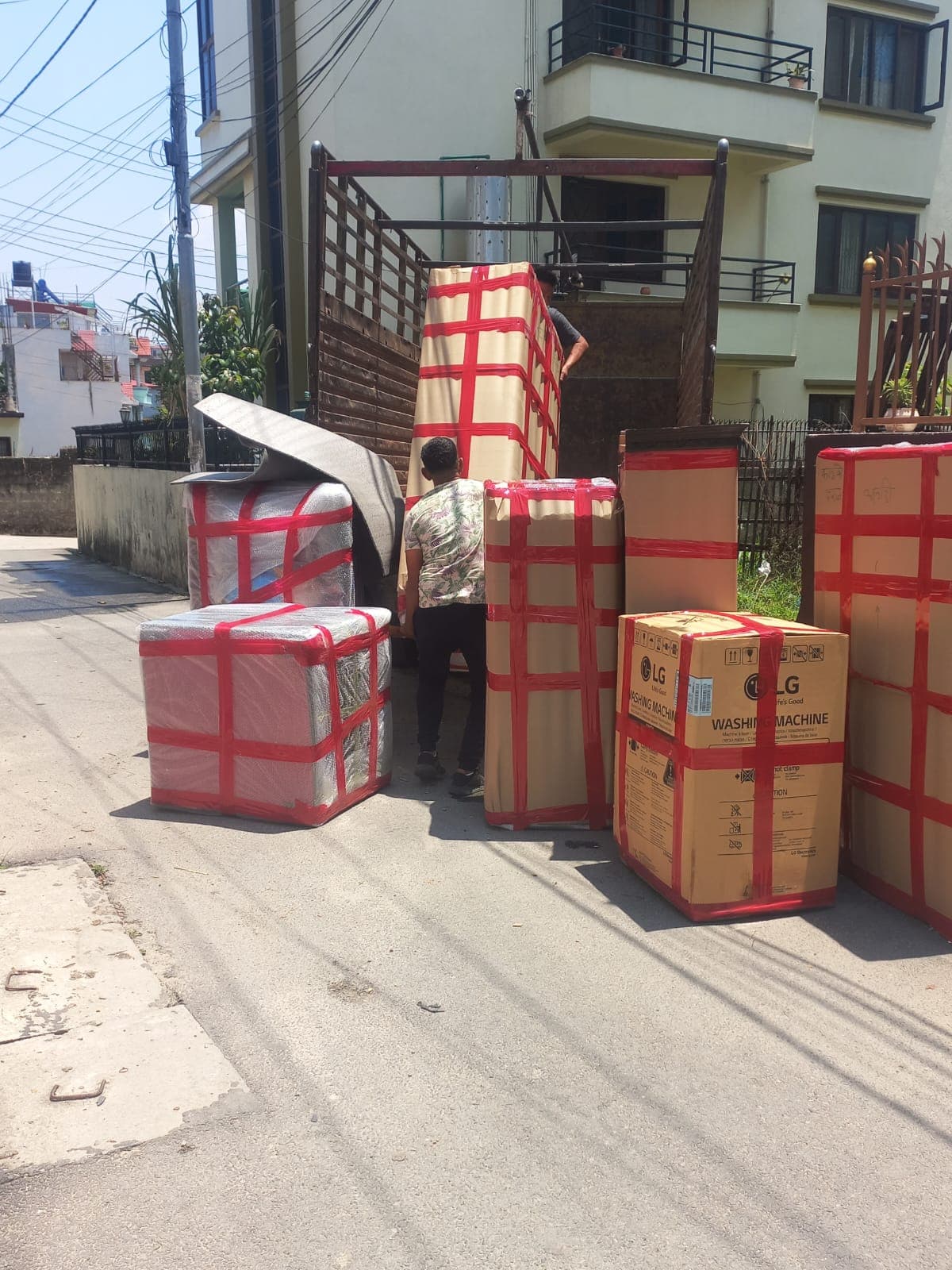
A refrigerator unplugged and moved the same day without being defrosted or dried out first. A washing machine transported with water still in its lines. Gas connections handled by the moving crew rather than a qualified technician.
Appliance preparation feels like an extra, easily skippable step, especially when moving day is already busy and appliances seem straightforward to just "unplug and move."
A refrigerator moved without proper defrosting and drying risks water damage during transit and, if any moisture is left inside during the move, mold developing by the time it's reconnected at the new home. A washing machine moved with water still in its lines risks internal component damage from the water sloshing and shifting during transport.
And gas connections are a genuine safety matter, not just a logistics one — disconnection and reconnection should always be handled by a qualified technician, never left to a general moving crew who isn't trained or authorized for this specific work.
Defrost and thoroughly dry your refrigerator at least a day before moving day — this isn't optional prep, it's essential to avoiding water damage and mold risk. Drain your washing machine's water lines and secure the drum before transport.
Arrange a qualified technician separately for gas connection disconnection and reconnection — this should be planned as its own task, distinct from your general moving company's scope. And photograph all electronics and appliance cable setups before disconnecting anything, so reconnection at your new home is straightforward rather than a frustrating guessing game.
| Appliance | Required Prep | Who Should Handle It |
|---|---|---|
| Refrigerator | Defrost and thoroughly dry, ideally a day ahead | Homeowner, before movers arrive |
| Washing machine | Drain water lines, secure drum | Homeowner, before movers arrive |
| Gas stove/connections | Disconnect and later reconnect | Qualified technician, not moving crew |
| Electronics | Photograph cable setups before disconnecting | Homeowner or moving crew, immediately before disconnection |
Booking whichever mover comes up first in a search or is recommended casually, without checking recent reviews, confirming a real physical presence, or asking about their damage/liability policy before the move starts.
Trust verification feels like an extra step when you're already busy with the dozens of other tasks a move involves, and it's easy to assume "a moving company is a moving company" — that the basic service will be roughly the same regardless of who you choose.
Kathmandu's moving industry includes a genuine mix of established, reliable companies and smaller, less accountable operators, and the difference between them shows up exactly when something goes wrong — a damaged item with no clear policy for resolution, a crew that shows up understaffed or without the right vehicle, or in the worst (though less common) cases, no-shows during high-demand periods when informal operators have overbooked. Without any real vetting, you have no way of knowing in advance which category your chosen mover falls into.
Check for recent, verifiable reviews — Google reviews specifically, since these are considerably harder to fake in volume than testimonials a company posts on its own website. Confirm the company has a real, consistent physical presence and contact number, not just a page with no other verifiable footprint.
Ask directly about their damage and liability policy before booking, not after something goes wrong — a reliable mover should be able to explain this clearly and, ideally, in writing.
And be genuinely cautious of any company that pressures you into an immediate decision or asks for a large upfront payment before any actual assessment of your move — this pattern is associated with unreliable operators specifically, and a trustworthy company simply doesn't need to use this kind of pressure.
No labeled boxes, no clear plan for where furniture should go in the new home, no separate "essentials" box for the first night, and no final walkthrough of the old home before leaving — resulting in a chaotic moving day and a disorganized first few days in the new place.
By the time moving day actually arrives, there's often exhaustion from weeks of preparation, and organizational details can feel like they can be figured out on the fly rather than planned in advance.
Unlabeled boxes mean far more time spent searching for basic items in the new home — sometimes for days, since finding "the box with the phone chargers" among dozens of identical unlabeled boxes is genuinely time-consuming. No plan for furniture placement means items get set down provisionally and often need to be moved again later, wasting effort that proper planning would have avoided.
Skipping a dedicated essentials box means your first night in a new home involves digging through your entire moving load just to find a toothbrush and a change of clothes. And skipping a final walkthrough of the old home is one of the most common ways people genuinely leave things behind — forgotten items in drawers, closets, or storage areas that are easy to overlook when you're focused on everything else happening around you.
Label every box clearly by room, on multiple sides, not just the top. Have a rough idea of where major furniture should go in the new home before the crew arrives, so items can be placed directly rather than shuffled around afterward. Pack a dedicated essentials box — a change of clothes, basic toiletries, phone chargers, any needed medications — kept separate and easily accessible, packed last and unpacked first.
And do a genuine, room-by-room final walkthrough of your old home — checking drawers, closets, and storage areas — before handing back the keys.
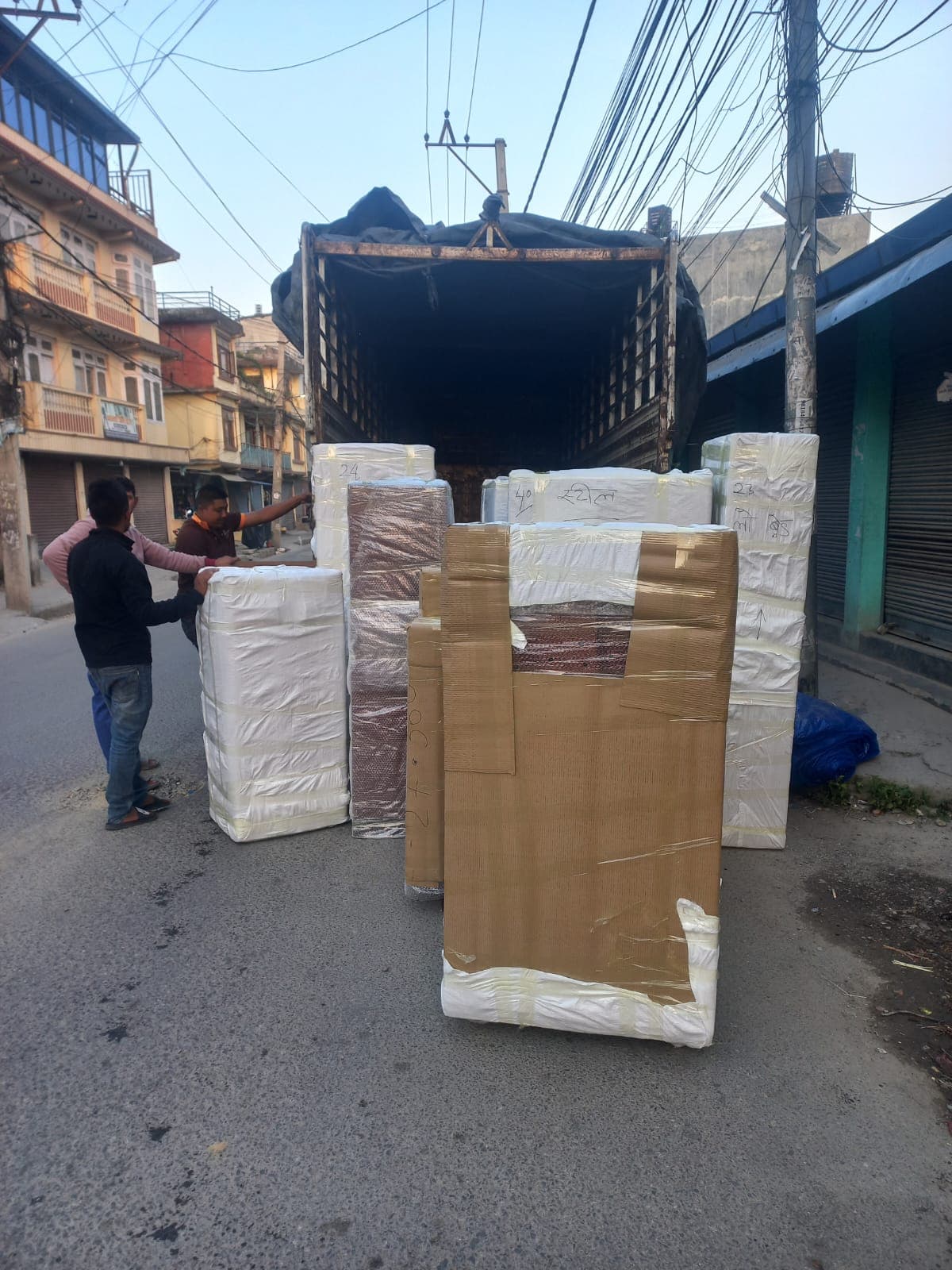
| # | Mistake | Core Fix |
|---|---|---|
| 1 | Accepting a quote without sharing real details | Provide full details; get a written quote |
| 2 | Underestimating fragile-item packing needs | Wrap individually, use proper materials, pack plates on edge |
| 3 | Ignoring Kathmandu-specific access realities | Disclose floor/lift/lane details; check building rules in advance |
| 4 | Moving during festival season/monsoon without planning | Book early for Dashain/Tihar; confirm weather protection for monsoon moves |
| 5 | Not preparing appliances properly | Defrost fridge, drain washing machine, use a technician for gas |
| 6 | Not verifying mover trustworthiness | Check reviews, confirm damage policy, avoid upfront-payment pressure |
| 7 | Skipping day-of and post-move organization | Label boxes, plan furniture placement, pack essentials box, do a final walkthrough |
It's worth noting a pattern across all seven: almost every one of them comes down to skipping a step that feels optional under time pressure but genuinely isn't. Moving is stressful and time-constrained by nature, and each of these mistakes represents a shortcut that seems reasonable in the moment — accepting a quick quote, packing fragile items fast at the last minute, assuming "a mover is a mover," skipping a final walkthrough because you're exhausted.
None of these shortcuts feel like a big decision individually. Collectively, they're responsible for the vast majority of bad moving experiences reported in Nepal.
The genuine fix isn't extraordinary diligence — it's simply not skipping the handful of specific steps outlined above, each of which takes relatively little extra time relative to the problems it prevents.
Since these seven mistakes are common enough to shape how a reliable moving company should operate, it's worth being specific about how a genuinely trustworthy provider builds its process to prevent them rather than leave the responsibility entirely on the customer:
Against Mistake 1, Nepal City Packers and Movers gives written quotes based on real, gathered details — volume, floor access, and distance — rather than a number given blind over the phone. Against Mistake 2, proper packing materials and item-appropriate technique are used as standard for fragile items, with dedicated fragile-item packing available as a standalone service for anyone handling the rest of their move independently. Against Mistake 3, Kathmandu-specific access conditions — narrow lanes, no-lift buildings, managed complex rules — are factored into vehicle sizing and crew planning from the start, given genuine local experience across the valley's different neighborhoods.
Against Mistake 4, flexible scheduling and clear advance communication help customers plan around festival-season demand and monsoon-season weather considerations rather than discovering these challenges too late. Against Mistake 5, guidance and coordination around appliance preparation — and referral to qualified technicians for gas connections specifically — are part of a properly planned move. Against Mistake 6, a real, checkable service history and a clear damage/liability policy are available to any customer who asks, rather than vague reassurances.
Against Mistake 7, organized labeling, a floor-plan-based approach to furniture placement, and clear communication throughout the move help avoid the chaos that comes from treating moving day as something to improvise.
A quick, practical way to self-check before your move date arrives:
If you can answer yes to all seven, you've genuinely avoided the mistakes responsible for the vast majority of bad moving experiences in Nepal.
What's the single most common home shifting mistake in Nepal?
Accepting a quote without sharing real, specific details is arguably the most common and consequential mistake, since it cascades into price disputes and surprise charges once the crew actually sees the job on moving day.
How do I avoid damage to fragile items during a home move?
Wrap every fragile item individually rather than as a group, use proper materials (bubble wrap, plain packing paper), pack plates and flat dishes on their edge rather than stacked flat, and fill all empty space in boxes so nothing can shift during transit.
Why does floor and lift access matter so much for moving cost and planning in Kathmandu?
A significant share of Kathmandu's housing stock, including many independent houses and older apartment buildings, has no functioning lift, meaning furniture and appliances are carried by hand up or down multiple flights — a genuine labor factor that should be disclosed to your mover in advance rather than discovered on moving day.
Is it a mistake to move during Dashain or Tihar?
Not necessarily a mistake, but it requires much earlier booking than usual, since demand for movers spikes significantly during this period, tightening availability and sometimes raising prices. Booking with only a few days' notice during this window is the actual mistake to avoid.
How should I prepare my refrigerator before a move?
Defrost it and dry it out thoroughly, ideally at least a day before moving day, to avoid water damage during transit and mold risk from any moisture left inside once it's reconnected.
Should the moving crew handle my gas stove disconnection?
No — gas connection disconnection and reconnection should always be handled by a qualified technician, not the general moving crew, since this is a genuine safety matter beyond standard furniture and appliance handling.
How can I tell if a moving company in Nepal is trustworthy before booking?
Check for recent, verifiable Google reviews rather than relying solely on testimonials on the company's own site, confirm a real physical presence and contact number, and ask directly about their damage/liability policy before booking — not after something goes wrong.
What's a red flag that a moving company might not be reliable?
Pressure toward an immediate decision, or a request for a large upfront payment before any actual assessment of your move, are both patterns associated with unreliable operators — a trustworthy company generally doesn't need to rely on this kind of pressure.
Why should I label boxes by room instead of just writing "fragile" or "misc"?
Specific room labeling ("Kitchen," "Bedroom - Fragile") lets you or the crew place boxes directly where they belong at the new home, avoiding the significant time cost of searching through unlabeled boxes for basic items in the days after moving in.
What should go in a moving-day essentials box?
A change of clothes, basic toiletries, phone chargers, and any needed medications — packed last, kept separate from the general moving load, and unpacked first at the new home, so your first night doesn't require searching through everything you own.
Does monsoon season really affect home shifting in Nepal?
Yes — rain during loading or unloading can damage unprotected belongings, particularly in open-bed vehicles without proper waterproof covering, and for any intercity component of a move, monsoon-season landslides and road closures in hill sections can meaningfully extend travel time.
How does Nepal City Packers and Movers help customers avoid these seven mistakes?
Through written quotes based on real assessed details, proper fragile-item packing materials and technique (including as a standalone service), genuine Kathmandu-specific access planning, flexible scheduling around festival and monsoon considerations, guidance on appliance preparation, a transparent and checkable service history with a clear damage policy, and organized, floor-plan-based placement at the new home.
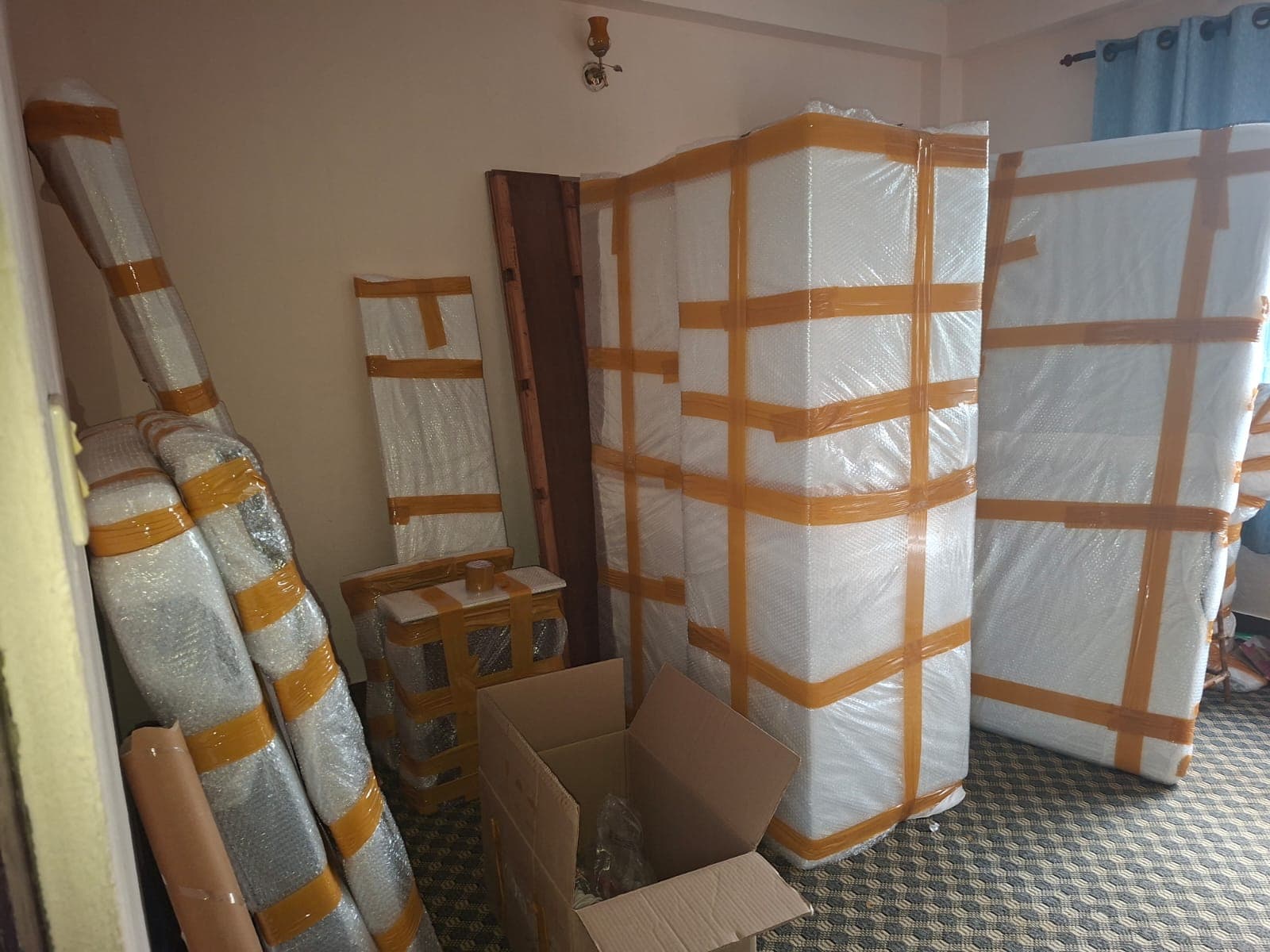
Every one of these seven home shifting mistakes is genuinely avoidable — not through extraordinary effort, but by not skipping the specific steps that feel optional under moving-day pressure and turn out to matter enormously.
Share real details, protect what's fragile properly, disclose your building's access realities, plan around Nepal's festival and monsoon calendar, prepare your appliances correctly, vet your mover before you commit, and stay organized on the day itself.
Get these seven right, and Nepal City Packers and Movers can help make sure the execution matches the planning.

Nepal City Packers and Movers
Share:
Explore Our Range of Moving & Logistics Services

Experience fast and reliable domestic and international courier services with Nepal City Packers and Movers. Secure delivery for all your packages, locally and globally!

Explore additional services by Nepal City Packers and Movers, including loading, unloading, parking assistance, and more. Tailored solutions for all your needs!

Explore reliable two-wheeler transport services by Nepal City Packers and Movers. Safe, secure, and timely bike transportation locally or across Nepal. Contact us today!
 Nepal City Packers and Movers - Banepa, Kavre
 Top Packers and Movers - Bouddha, Kathmandu
 Professional Packers and Movers - Balaju, Kathmandu
 Reliable and Affordable Packers and Movers - Baluwatar, Kathmandu
 Top-Rated Packers and Movers - Maharajgunj, Kathmandu
 Leading Packing and Moving Service | Nepal City Packers and Movers - Durbarmarga, Kathmandu
 Nepal city packers and movers - Lalitpur, Nepal
 Nepal City Packers and Movers - Thimi, Bhaktapur
 Reliable Packers and Movers - Kupandole, Lalitpur
 Affordable and Reliable Packers and Movers - kalanki, Kathmandu