
Loading…
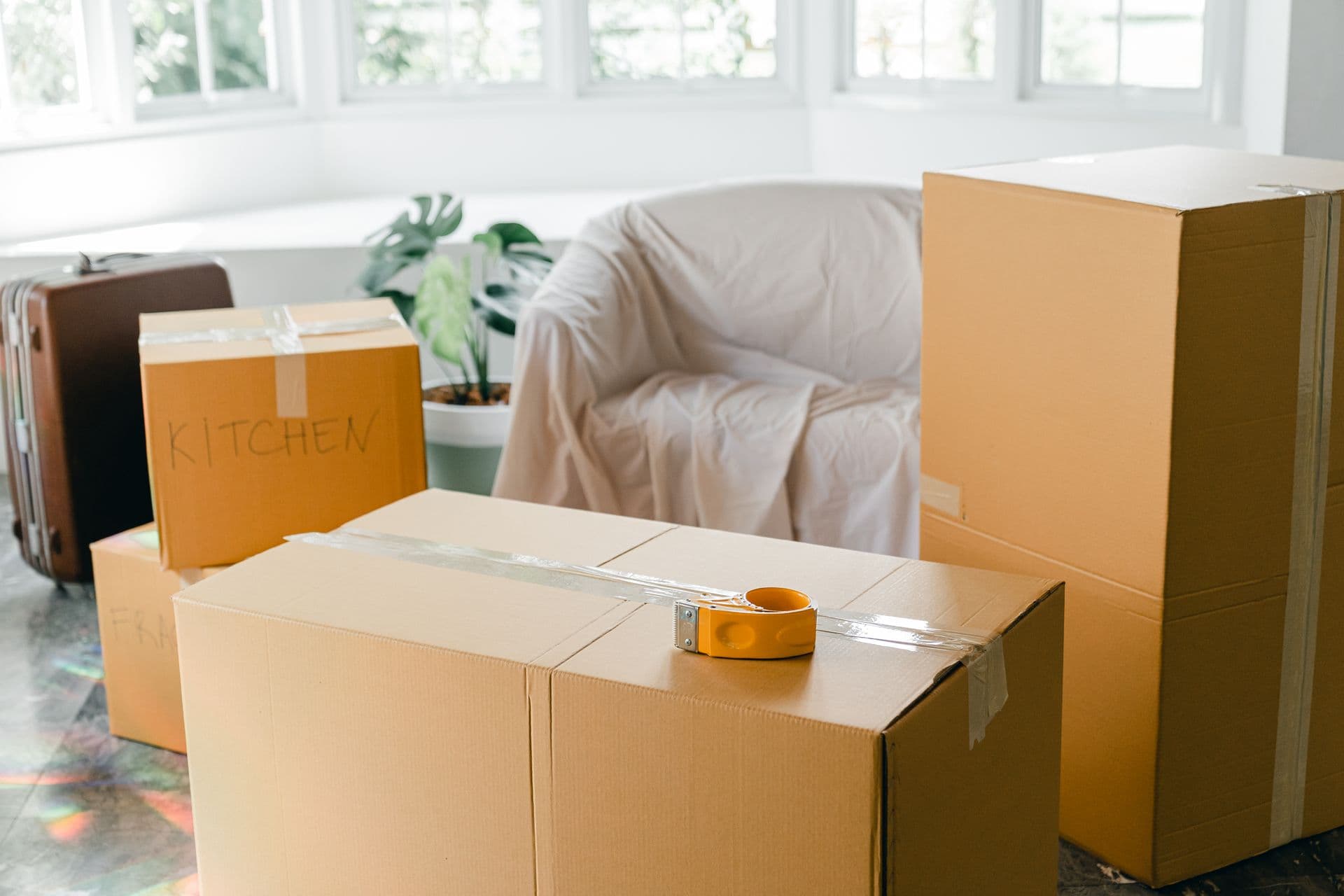
"How long will this actually take?" is one of the most practical questions anyone planning a move can ask — and one of the hardest to answer with a single number, because it genuinely depends on what you're moving, how far, and under what conditions. A single room move might be done in under two hours. A full house move to another city can reasonably stretch across two full days.
This guide breaks down realistic timelines for every type of home move in Nepal — by move category, by planning phase, and by the specific factors that make a move faster or slower than average — so you can plan your actual moving day (and the days around it) with genuine confidence instead of a vague guess.
Before getting into the details, here's the direct answer most people are looking for — realistic moving-day duration (not counting pre-move packing time) by category:
| Move Type | Typical Moving-Day Duration | Notes |
|---|---|---|
| Room shift (single room, minimal furniture) | 1-3 hours | Can often be same-day even if booked with short notice |
| Studio/1BHK flat | 3-5 hours | Half-day job in most cases |
| 2-3BHK flat/apartment | Half day to full day | Depends heavily on floor/lift access |
| Full independent house | Full day (6-9+ hours) | Can extend into a second day for larger homes |
| Intercity move (e.g., Kathmandu-Pokhara) | Full day plus 6-8 hours transit | May include an overnight stop for longer routes |
| Office (small, few workstations) | Half day to full day | Typically scheduled over a weekend |
| Office (larger, with server infrastructure) | Full day plus additional day for IT setup/testing | Often phased across departments |
These figures reflect the physical loading-transport-unloading portion of the move under normal conditions. Actual duration always depends on your specific volume, access conditions, and distance — treat this table as a planning baseline, not a guarantee.
Before breaking down specific timelines, it's worth being clear about what's actually being measured, since "how long does moving take" can mean different things depending on what you're asking:
All three matter for realistic planning, and conflating them is a common source of frustration — someone who plans only for "moving-day duration" often finds themselves unprepared for how long the broader process, from first packing box to fully settled home, actually takes.
Moving-day duration: Typically 1 to 3 hours for a single room's worth of belongings — a bed, desk, small wardrobe, and a reasonable number of boxes.
Room shifts are the fastest category covered in this guide, largely because the volume involved is small enough that even careful, unhurried loading and unloading doesn't take long. A crew of 2-3 people with a mini truck can often complete the entire loading, transport, and unloading sequence within a couple of hours for a genuinely minimal load, extending toward 3 hours if there's more furniture than a typical single-occupancy setup, or if floor access (no lift, narrow stairwell) adds labor time.
Preparation time needed: Given the small scale, room shifts can genuinely be planned with just a few days' notice, and same-day or next-day moves are often realistic if you're working with a flexible mover and a straightforward load.
| Factor | Effect on Room Shift Timeline |
|---|---|
| No lift, upper floor | Adds meaningfully — narrow stairwells especially |
| Larger-than-typical furniture | Extends toward the 3-hour end |
| Pre-packed boxes (labor-and-transport-only) | Speeds up the process considerably |
| Same-neighborhood distance | Minimal impact on total time |
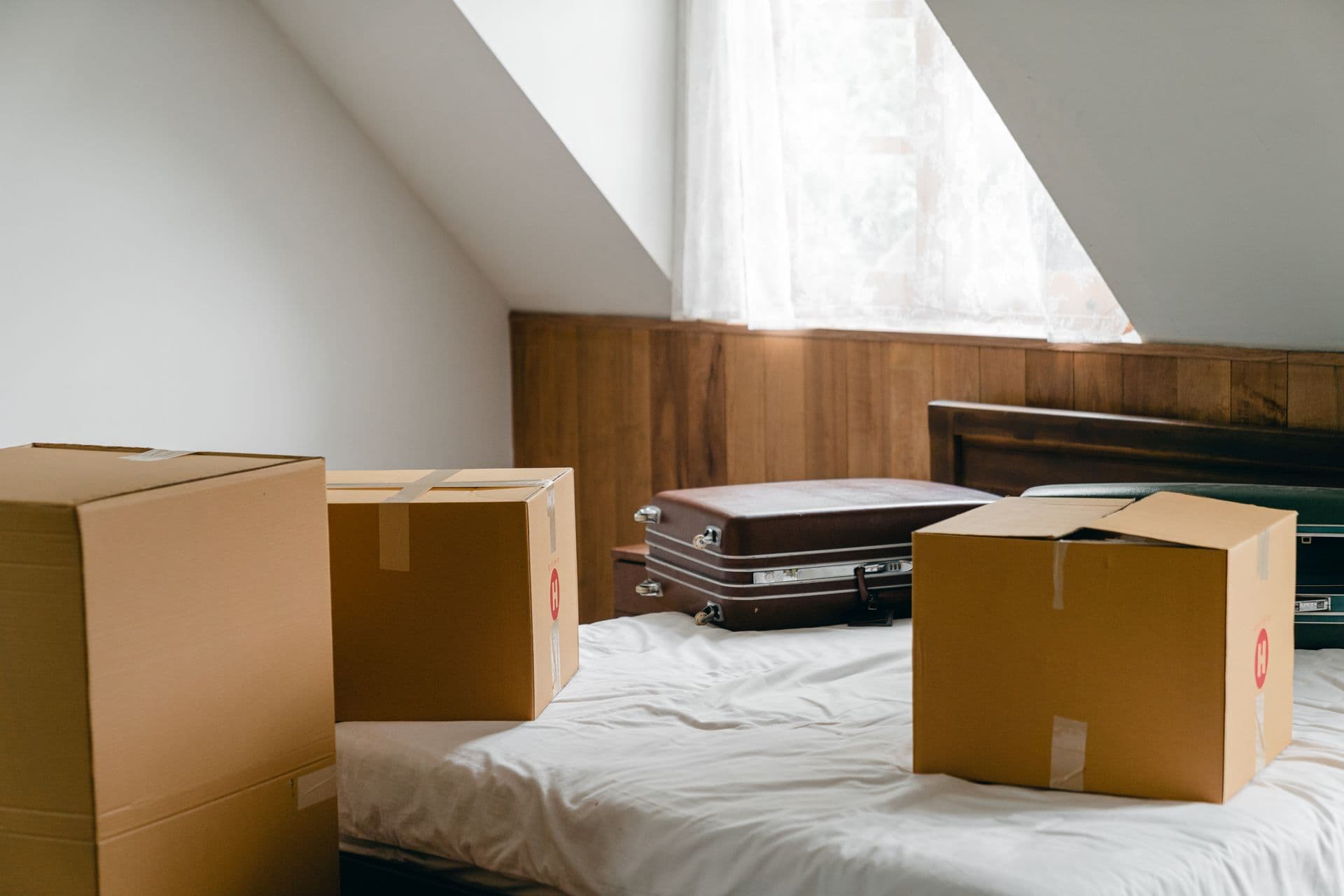
Moving-day duration: Studio and 1BHK flats typically take 3 to 5 hours; larger 2-3BHK apartments typically take half a day to a full day, depending significantly on floor access.
The jump from a room to a flat brings in a full kitchen setup, more furniture, and often more boxes overall, which naturally extends the loading and unloading time. Floor and lift access is a particularly significant variable here — a flat on a lower floor with working lift access can move considerably faster than an identical flat on a higher floor without one, since furniture and boxes have to be carried by hand up or down multiple flights in the latter case.
Preparation time needed: A week to two weeks of advance planning is a reasonable target for a flat move, allowing time to properly pack a full kitchen and living area rather than rushing through it in the final days.
| Flat Size | Moving-Day Duration (With Lift) | Moving-Day Duration (No Lift, Upper Floor) |
|---|---|---|
| Studio | 2-3 hours | 3-4 hours |
| 1BHK | 3-4 hours | 4-6 hours |
| 2BHK | 4-6 hours | 6-8 hours |
| 3BHK | 6-8 hours | 8+ hours, possibly extending toward a full day |
Moving-day duration: A full day (roughly 6 to 9+ hours) for most independent houses within Kathmandu Valley, sometimes extending into a second day for particularly large homes or challenging access conditions.
House moves involve considerably more volume than flats — multiple bedrooms, a full kitchen, living and dining furniture, and often outdoor or storage items accumulated over years. This scale, combined with the multi-story, often no-lift nature of many independent houses in Nepal, means house moves genuinely require a full day's planning rather than a half-day estimate.
Preparation time needed: 3 to 4 weeks of advance planning is the realistic target for a full house move, allowing time to sort through storage areas, pack systematically room by room, and properly prepare appliances (refrigerator defrosting, washing machine draining) before moving day.
| House Factor | Effect on Timeline |
|---|---|
| Multi-story, no lift | Significantly extends loading/unloading time |
| Substantial storage-area accumulation | Adds to both packing prep time and moving-day volume |
| Outdoor/garden items | Adds a separate handling category, extending total time |
| Narrow-lane access to the property | Adds carrying distance and time |
Moving-day duration: A small office (a handful of workstations) typically takes half a day to a full day. A larger office with substantial IT infrastructure typically takes a full day for the physical move, plus additional time — sometimes a following day — for IT setup, testing, and reaching full operational readiness.
Office moves have a duration profile shaped less by simple volume and more by IT complexity and the priority of minimizing business downtime. This is why office moves are typically scheduled for weekends specifically — not because the physical move itself takes longer than a comparable household move, but because the full sequence (move plus IT setup plus testing before staff resume work) needs to fit within a window that doesn't interrupt business operations.
Preparation time needed: 2 to 4 weeks minimum, with larger offices benefiting from even more lead time given the IT planning, employee communication, and administrative notification tasks involved.
| Office Size | Physical Move Duration | Time to Full Operational Readiness |
|---|---|---|
| Very small (1-5 staff) | Half day | Same day |
| Small (5-15 staff) | Full day | Same day to next morning |
| Medium (15-40 staff) | Full day | Next day, given IT setup/testing needs |
| Large (40+ staff) | Full day, sometimes phased across days | Multiple days, particularly for extensive server infrastructure |
Moving-day duration: This depends heavily on the specific route, but generally spans a full day of loading, multi-hour transit, and unloading — sometimes extending across two days for longer routes with an overnight stop.
Using Nepal's most common intercity routes as reference points: a Kathmandu-Pokhara move involves a road journey of roughly 6 to 8 hours via the Prithvi Highway, meaning a full moving day realistically includes morning loading, the multi-hour drive, and same-day (though possibly evening) unloading if departure happens early enough.
A Kathmandu-Biratnagar move, given the roughly 8-to-9-hour driving time involved, is genuinely more likely to benefit from an overnight stop rather than attempting the full sequence — loading, driving, unloading — within a single day.
Preparation time needed: 3 to 4 weeks minimum, given the added complexity of route planning, accurate volume assessment (since a truck can't easily make a second trip over long distance), and potentially arranging an overnight stop.
| Route | Approx. Drive Time | Realistic Moving-Day Structure |
|---|---|---|
| Kathmandu ↔ Pokhara | 6-8 hours | Early morning load, same-day arrival possible with early departure |
| Kathmandu ↔ Chitwan/Bharatpur | Generally under 5 hours | Same-day load, transit, and unload achievable |
| Kathmandu ↔ Butwal | ~6-6.5 hours | Similar to Pokhara route — early departure needed for same-day completion |
| Kathmandu ↔ Biratnagar | ~8-9 hours | Overnight stop is a reasonable, often preferable option |
Monsoon-season weather and road conditions (roughly June through September) can extend any of these timelines beyond the standard estimate, and should be factored into planning as a matter of course.
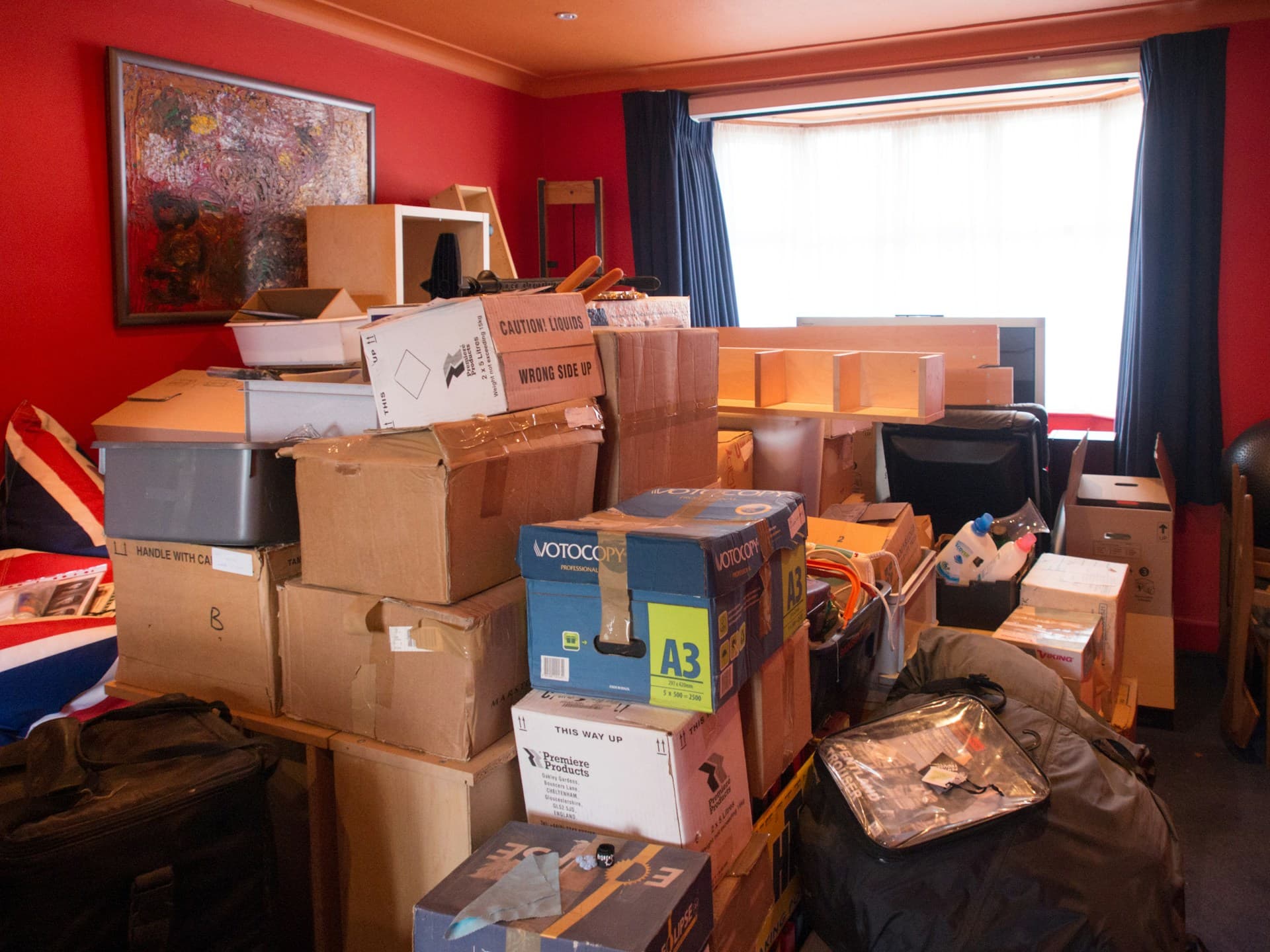
Beyond moving-day duration itself, here's how long the broader process genuinely takes, phase by phase, for a typical household move:
| Phase | Typical Duration |
|---|---|
| Decision and initial planning | Immediate to a few days |
| Getting quotes and booking | A few days to a week |
| Sorting and decluttering | 1-2 weeks (for a full house) |
| Packing | A few days (room/flat) to 2 weeks (house) |
| Moving day | 1-3 hours (room) to full day+ (house/intercity) |
| Initial settling in | First few days |
| Full settling in | Several weeks |
A number of specific, genuine factors can push any move type beyond its typical duration estimate — worth knowing in advance so you can plan realistic buffers rather than being caught off guard.
No lift access on an upper floor. This is one of the single biggest timeline extenders across every move category — carrying furniture and boxes by hand up or down multiple flights takes meaningfully longer than lift-assisted moving, and this effect compounds with house-scale volume.
Narrow lane access requiring extended carrying distance. Common in Kathmandu's older neighborhoods, where a large truck can't reach the doorway directly, meaning items are carried a longer distance to the vehicle than a straightforward driveway-adjacent move would require.
Underestimated volume leading to a second trip. If the vehicle booked turns out to be undersized for the actual load, a second trip — particularly costly and time-consuming for intercity moves — extends the total timeline considerably beyond the original estimate.
Insufficient pre-move packing, requiring the crew to pack on the day. A move where packing wasn't done in advance (or wasn't finished) means the crew spends time packing that should have already been completed, extending the overall moving-day duration.
Weather delays, particularly during monsoon season. Rain during loading or unloading can slow the process, both for direct handling reasons and for the extra care needed with waterproof covering.
Building-specific restrictions, like a managed apartment complex's limited moving hours or lift booking requirements, which can create scheduling gaps or delays if not confirmed in advance.
Traffic, particularly for across-Kathmandu-Valley moves during peak hours around congested junctions like Koteshwor, Kalanki, or Chabahil, which can meaningfully add to transport time between pickup and delivery locations.
| Timeline-Extending Factor | Typical Additional Time |
|---|---|
| No lift, upper floor (per additional floor) | Meaningful cumulative addition, especially for houses |
| Narrow-lane extended carrying | Adds to labor time proportional to distance |
| Second trip (undersized vehicle) | Substantial — effectively doubles part of the process |
| Unfinished pre-move packing | Highly variable, often significant |
| Monsoon-season weather | Variable, can be substantial for outdoor loading/unloading |
| Peak-hour Kathmandu traffic | Adds to transit time specifically |
On the other side, a few things genuinely speed up a move relative to the typical estimate:
Pre-packed boxes and organized labeling. A labor-and-transport-only arrangement where everything is already boxed and clearly labeled by the time the crew arrives moves noticeably faster than a move where packing happens on the day.
Lift access and ground-floor or low-floor locations. This is simply the inverse of the biggest timeline extender — lift-assisted or ground-floor moves are meaningfully faster than upper-floor, no-lift moves.
A clear floor plan for furniture placement at the new home. Knowing exactly where everything should go means items are placed directly rather than shuffled around after the fact.
Good vehicle access directly to both the old and new entrance. Where a truck can park close to both doors, without extended manual carrying, the loading and unloading portions of the process move considerably faster.
Accurate advance communication of your full volume and access conditions. This ensures the right vehicle size and crew count are booked from the start, avoiding delays caused by under-resourcing on the day.
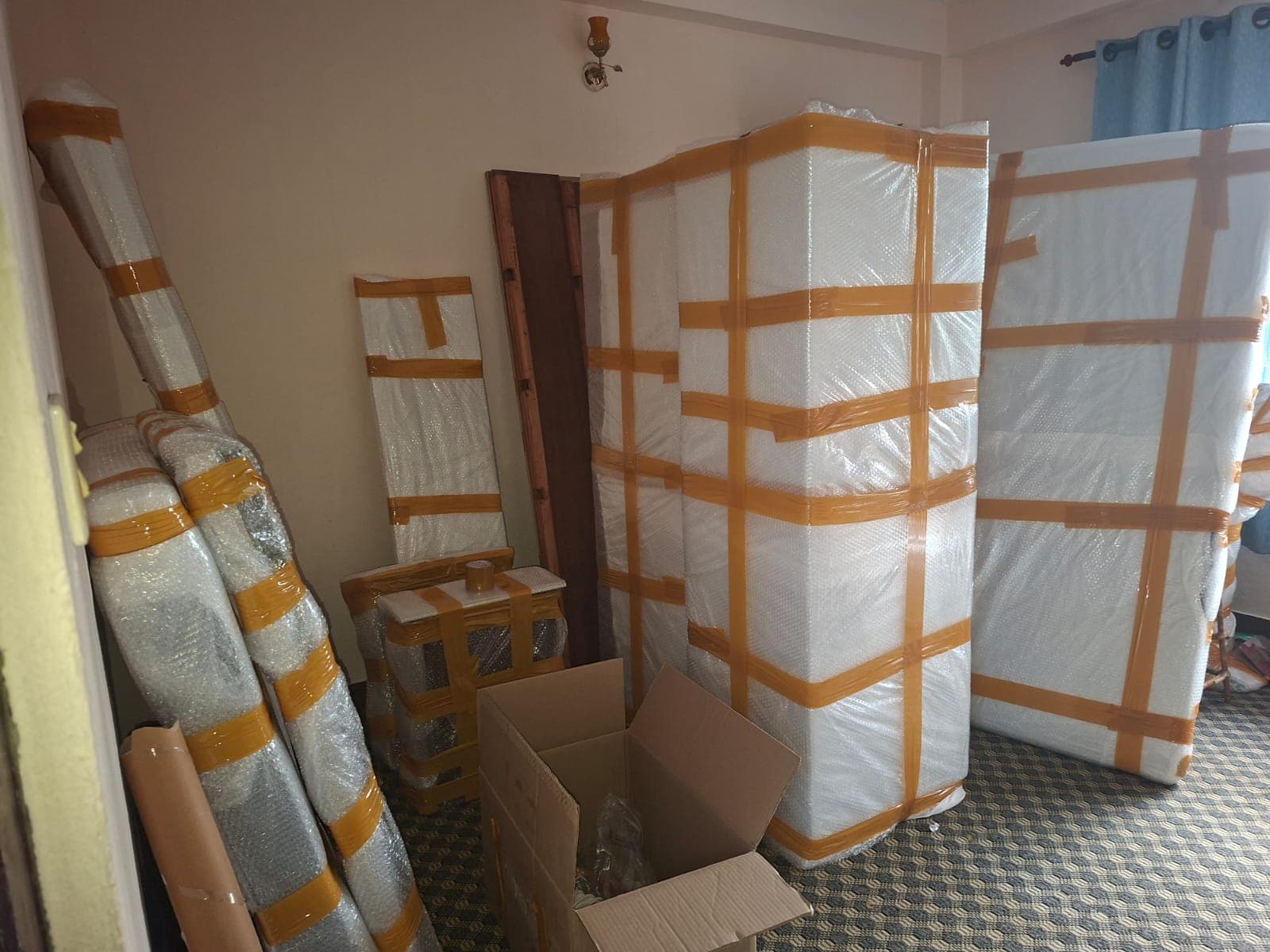
Given how much these factors vary, giving a customer a realistic timeline — not an optimistic best-case one — is part of what separates good planning from a moving day that runs into unexpected delays.
Nepal City Packers and Movers builds timeline estimates around the actual details of each move — floor and lift access, distance, volume, and any known local access challenges — rather than a generic estimate that doesn't reflect the reality of a specific Kathmandu neighborhood or a specific route.
For intercity moves particularly, this means being upfront about whether a same-day arrival is realistic for a given route and departure time, or whether an overnight stop makes more sense — rather than promising an optimistic timeline that then falls short on the actual day.
For anyone wondering whether a fast, short-notice move is actually achievable, here's an honest breakdown:
Room shifts are the most realistic category for genuine same-day service, given their small volume — a crew and a mini truck can often be arranged and complete the job within the same day, particularly for straightforward, ground-floor or lift-accessible loads.
Small flat moves can sometimes be arranged same-day or next-day, though this depends more on mover availability than the physical scale of the move itself.
House moves are considerably less realistic for genuine same-day booking, given the volume involved and the value of proper advance planning (appliance preparation, systematic packing) that a rushed timeline doesn't allow for.
Intercity moves are the least suited to short-notice booking, given the need for accurate volume assessment (critical given a long-distance vehicle's inability to easily make a second trip) and route planning.
| Move Type | Realistic for Same-Day Booking? |
|---|---|
| Room shift | Often yes, especially for straightforward loads |
| Small flat (studio/1BHK) | Sometimes, depending on mover availability |
| Larger flat/house | Generally not recommended — proper planning improves the outcome significantly |
| Intercity | Not recommended — accurate assessment and route planning need real lead time |
How long does it take to move a single room in Kathmandu?
Typically 1 to 3 hours for the actual moving-day process, depending on furniture volume and floor/lift access. Room shifts are the fastest category of move covered in this guide and can often be arranged with short notice.
How long does a full house move take in Nepal?
Generally a full day (roughly 6 to 9+ hours), sometimes extending into a second day for particularly large homes or challenging access conditions like a multi-story building without a lift.
How long does it take to move from Kathmandu to Pokhara?
The road journey itself typically takes 6 to 8 hours via the Prithvi Highway. Including loading and unloading, a full moving day with early departure can achieve same-day arrival, though this depends on traffic, weather, and departure time.
Does floor access really affect how long a move takes?
Significantly, yes. Buildings without a working lift require furniture and boxes to be carried by hand up or down every flight, which is one of the single biggest factors extending a move's duration beyond a comparable lift-accessible move.
How far in advance should I start packing for a house move?
Around 2 weeks of dedicated packing time is a reasonable target for a full house, working through storage areas and non-essential rooms first and leaving daily-use items and the kitchen for the final few days.
Can I get a same-day moving service in Kathmandu?
For room shifts and sometimes small flat moves, yes, depending on mover availability. For house moves and intercity relocations, same-day booking isn't recommended, since proper advance planning genuinely improves the outcome for moves of this scale.
How long does an office move typically take?
A small office typically takes half a day to a full day for the physical move. Larger offices with significant IT infrastructure often need the physical move plus an additional day (or part of one) for IT setup and testing before reaching full operational readiness.
Does monsoon season affect how long a move takes?
Yes, both directly (rain slowing loading and unloading, and requiring extra care with weather protection) and, for intercity moves, indirectly through potential road delays from landslides in hill sections during the monsoon period, roughly June through September.
How long does it take to fully settle into a new home after moving?
While the physical move itself might take a day, fully settling in — unpacking completely, establishing routines, feeling genuinely at home — commonly takes several weeks for a full household move, which is entirely normal.
What's the biggest factor that can unexpectedly extend a move's duration?
No lift access on an upper floor is consistently one of the largest and most common timeline extenders, since it directly affects how quickly furniture and boxes can move between the vehicle and the home at both the old and new location.
How long does it take to move to Biratnagar or other distant cities from Kathmandu?
Given the roughly 8-to-9-hour driving time to Biratnagar specifically, this route is often better planned with an overnight stop rather than attempting to complete loading, transit, and unloading within a single day.
Does Nepal City Packers and Movers give a firm time estimate before the move, or just a rough guess?
Nepal City Packers and Movers bases timeline estimates on the actual details of your specific move — volume, floor and lift access, distance, and any known access challenges — rather than a generic estimate, so the timeline you're given reflects your real situation rather than an optimistic average.
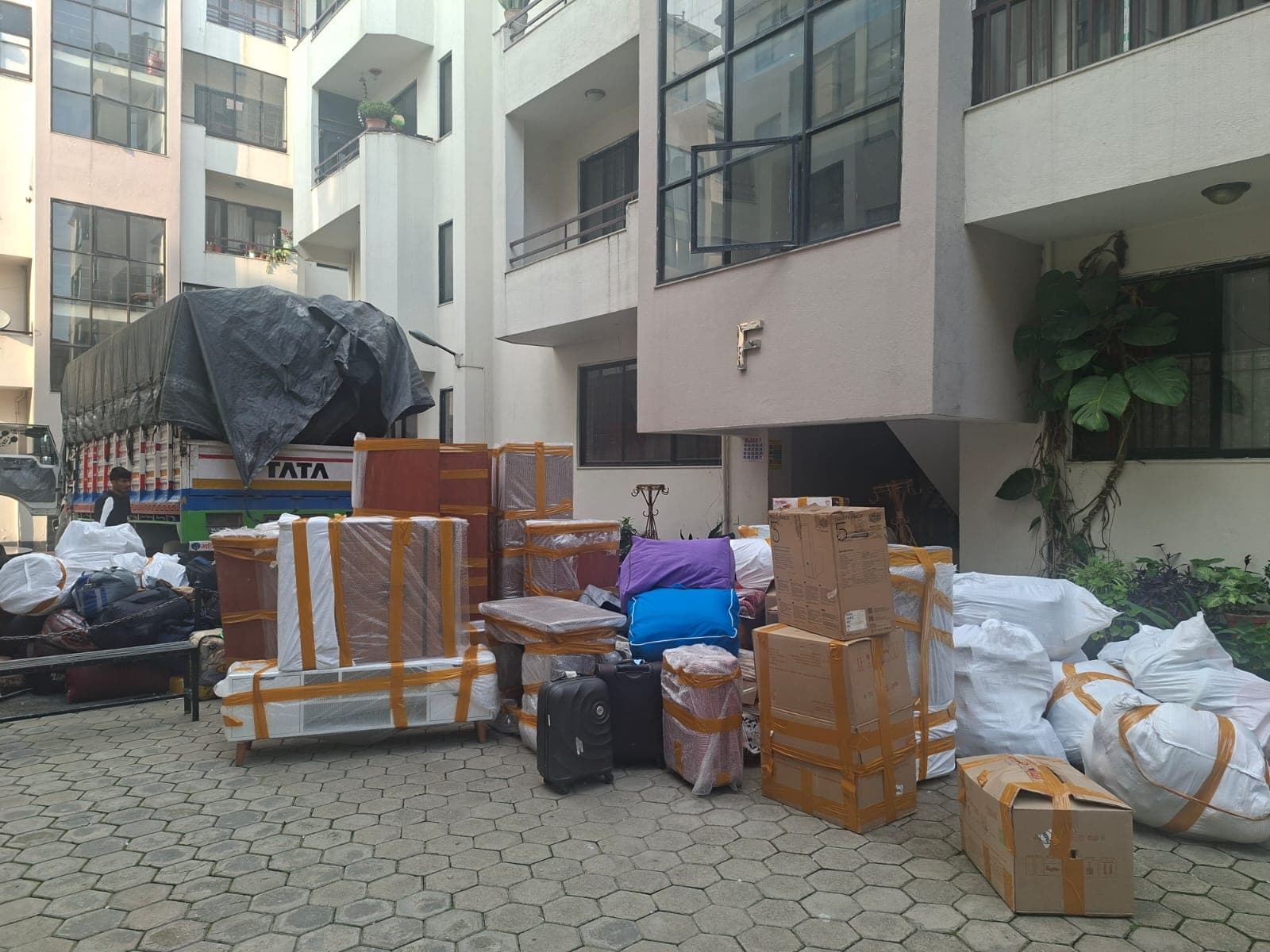
However long your specific move takes, the honest answer always depends on your actual volume, access conditions, and distance — not a single universal number.
Use the tables and factors in this guide to build a realistic picture of your own move, and share those same details with Nepal City Packers and Movers to get a timeline estimate built around your specific situation, whether that's a two-hour room shift or a full day-plus intercity relocation.

Nepal City Packers and Movers
Share:
Explore Our Range of Moving & Logistics Services

Experience fast and reliable domestic and international courier services with Nepal City Packers and Movers. Secure delivery for all your packages, locally and globally!

Explore additional services by Nepal City Packers and Movers, including loading, unloading, parking assistance, and more. Tailored solutions for all your needs!

Explore reliable two-wheeler transport services by Nepal City Packers and Movers. Safe, secure, and timely bike transportation locally or across Nepal. Contact us today!
 Nepal City Packers and Movers - Banepa, Kavre
 Top Packers and Movers - Bouddha, Kathmandu
 Professional Packers and Movers - Balaju, Kathmandu
 Reliable and Affordable Packers and Movers - Baluwatar, Kathmandu
 Top-Rated Packers and Movers - Maharajgunj, Kathmandu
 Leading Packing and Moving Service | Nepal City Packers and Movers - Durbarmarga, Kathmandu
 Nepal city packers and movers - Lalitpur, Nepal
 Nepal City Packers and Movers - Thimi, Bhaktapur
 Reliable Packers and Movers - Kupandole, Lalitpur
 Affordable and Reliable Packers and Movers - kalanki, Kathmandu