
Loading…
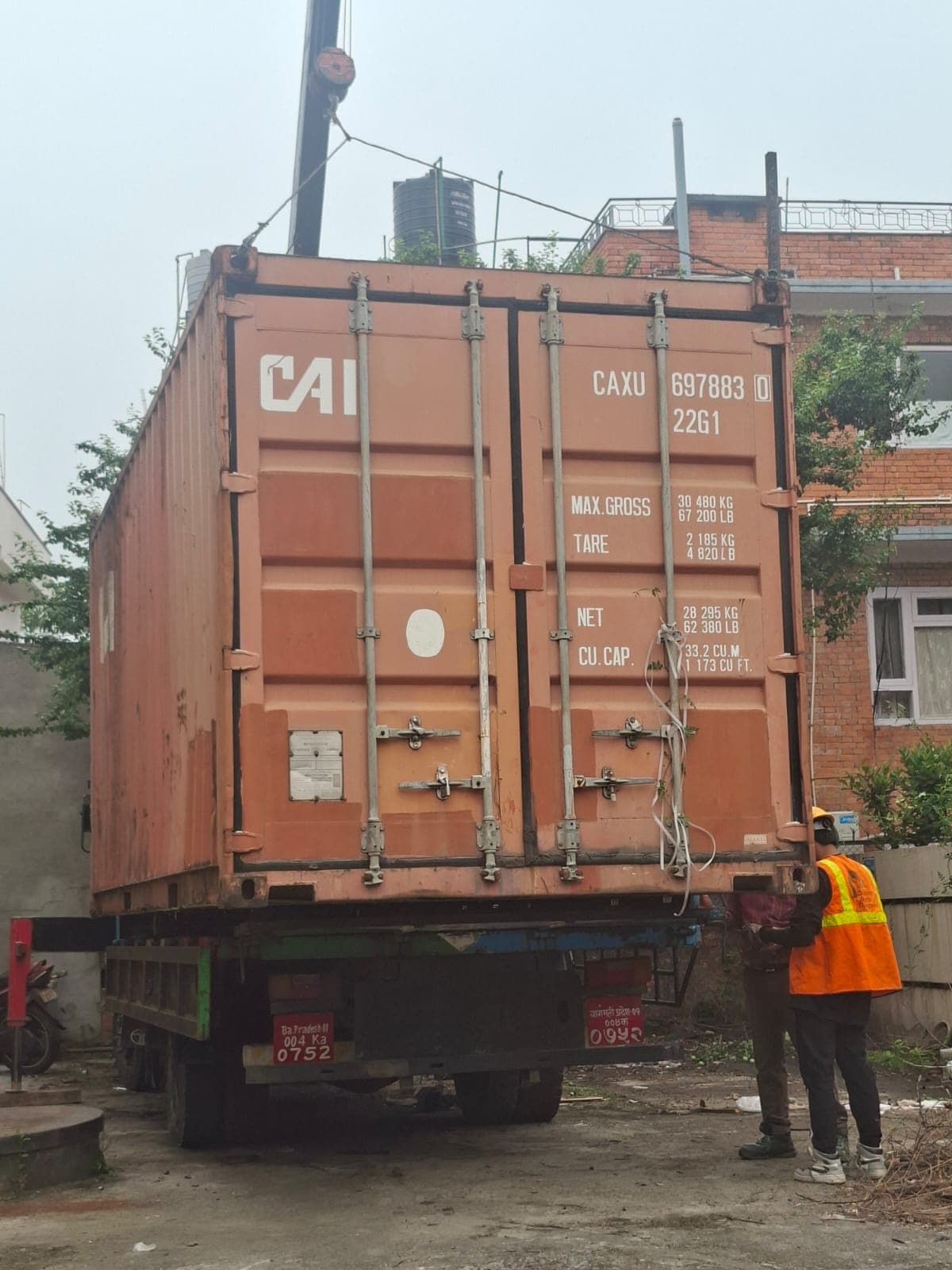
Not everyone needs a full moving package. Sometimes you've already got a vehicle — your own, a rented truck, or one booked through a separate transport service — and what you actually need is the labor: people who know how to lift, carry, and load heavy or awkward items safely, without damaging the goods, the vehicle, or themselves.
Loading and unloading service as its own, standalone offering is a genuine and common need in Kathmandu, whether it's a business receiving a bulk delivery, someone moving furniture with a self-arranged vehicle, or a shop needing help unloading inventory during a busy period.
This guide covers what loading and unloading service actually involves, who typically needs it, what separates skilled labor from a rushed, risky job, and how to find a provider you can trust with the physical handling — even when they're not the ones driving the vehicle.
This service covers the labor-only component of moving goods — lifting, carrying, positioning, and securing items onto a vehicle (loading), or the reverse process at the destination (unloading) — without necessarily including the vehicle itself, packing materials, or full moving coordination. It's distinct from a complete moving service in a specific, useful way:
Full moving service typically bundles vehicle, packing, transport, and loading/unloading labor into one coordinated package.
Loading/unloading-only service provides just the labor — you supply or separately arrange the vehicle, and the crew handles the physical lifting and positioning at either end (or both).
This distinction matters because it lets you mix and match based on your actual situation — you might already have transport sorted through your own vehicle, a rental, or a separate freight arrangement, and simply need trained hands for the physically demanding and skill-dependent part of the job.
| Service | What's Included |
|---|---|
| Full moving service | Vehicle, packing materials, transport, loading/unloading labor |
| Loading/unloading only | Labor for lifting, carrying, and positioning — vehicle arranged separately |
| Vehicle-only rental | Just the vehicle and driver — you handle loading/unloading yourself |
This is worth being specific about, since the audience for this service is genuinely varied:
It's tempting to think of loading and unloading as simple, unskilled labor — but done poorly, it's a genuine source of damage, injury, and inefficiency. A few reasons proper technique and experience matter:
A genuinely complete standalone loading/unloading service should cover more than just "carrying things":
Different categories of goods genuinely need different handling approaches:
General boxes and household items. Standard careful handling — proper lifting technique, logical stacking (heavier boxes lower, fragile items positioned to avoid pressure), and methodical loading sequence.
Furniture. As covered in detail in furniture-specific moving guidance, large furniture needs careful angling through doorways, proper carrying technique for awkward shapes, and positioning within the vehicle that avoids pressure on delicate surfaces or components.
Appliances. Heavy, often awkwardly shaped, and sometimes containing sensitive internal components — appliances benefit from careful, typically multi-person handling and stable positioning within the vehicle to prevent tipping or shifting.
Business inventory and bulk goods. Often requiring efficient, high-volume handling — a skilled crew loading or unloading bulk inventory should work with both speed and care, since businesses receiving regular deliveries need this process to be efficient without sacrificing product condition.
Construction and building materials. Heavy, sometimes hazardous if mishandled (sharp edges, unstable stacking risks) — this category benefits from crews specifically experienced with this type of material, given the different handling and safety considerations involved compared to household goods.
Fragile and valuable items. Even without full packing service, loading/unloading crews should apply visibly extra care to anything fragile — positioning it last-loaded/first-unloaded, and flagging clearly if the item genuinely needs additional protective material before it can be safely handled.
| Item Category | Key Handling Consideration |
|---|---|
| General boxes | Logical stacking, weight distribution |
| Furniture | Careful angling through access points, protected positioning |
| Appliances | Multi-person handling, stable positioning to prevent tipping |
| Business inventory/bulk goods | Efficient but careful handling, especially for regular deliveries |
| Construction materials | Safety-conscious handling for weight and sharp/unstable items |
| Fragile/valuable items | Extra care, last-loaded/first-unloaded positioning |
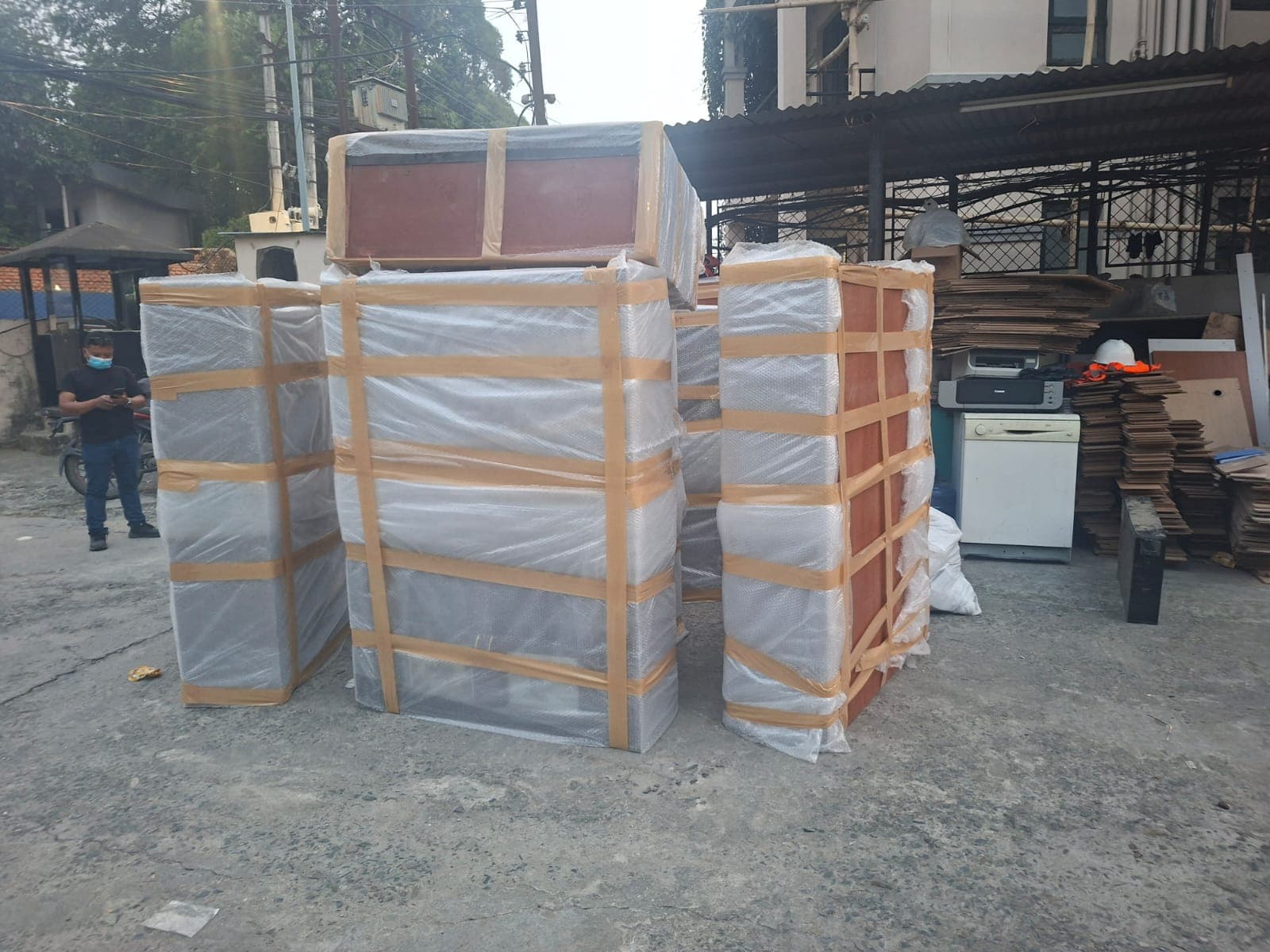
Given how central this service is to regular business operations for many companies, it's worth addressing this use case specifically.
Regular delivery unloading. Retailers and businesses receiving frequent inventory shipments benefit from a consistent loading/unloading arrangement — the same crew or provider handling this recurring task develops familiarity with the business's specific goods, storage layout, and typical delivery patterns, making the process progressively more efficient over time compared to ad hoc, one-off arrangements.
Warehouse and storage support. Businesses needing to load goods into storage, or retrieve and load goods out of storage for onward transport, have a distinct need from a household move — often involving different equipment (pallets, hand trucks) and different efficiency priorities given the recurring, operational nature of the task.
Inter-branch stock transfer support. For businesses with multiple locations, consistent loading support at both the pickup and drop-off points — even when the transport vehicle itself is arranged separately — reduces damage and delay across a recurring operational need.
Event-related loading. One-time but often high-volume needs — loading equipment, furniture, and materials for an event, and the reverse process afterward — benefit from experienced crews who can work efficiently under the time pressure typical of event setup and teardown.
Since this is a labor-focused service, the cost structure differs somewhat from a full moving quote:
| Factor | Why It Matters |
|---|---|
| Volume and weight of goods | More items and heavier goods require more crew and more time |
| Number of locations | Loading only, unloading only, or both (with different pickup/drop-off points) affects total labor |
| Access conditions | Floor/lift access, narrow lanes, or difficult vehicle parking add time and labor difficulty |
| Item fragility/care needed | Fragile or valuable items requiring extra care add to handling time |
| Crew size needed | Heavier or bulkier items require more people, directly affecting labor cost |
| Timing | Urgent or same-day requests, and festival-season demand spikes, may carry a premium |
| Recurring vs. one-time | Businesses with regular loading/unloading needs can often arrange more predictable, favorable terms than one-off bookings |
For an accurate quote, describe your specific goods (type, approximate volume, weight if known), the access conditions at the loading and/or unloading location, and whether this is a one-time or recurring need.
A few concrete checks worth making:
Nepal City Packers and Movers offers loading and unloading as a standalone service alongside its full moving, cargo, and courier offerings — meaning businesses and individuals who've already arranged transport separately, or who simply need skilled labor for a specific loading or unloading task, can access the same trained, careful handling used across the company's full range of services.
| Situation | Better Fit |
|---|---|
| You have a vehicle already (own, rented, or separately arranged) and just need labor | Loading/unloading-only service |
| You need everything coordinated — vehicle, packing, transport, and labor | Full moving service |
| A business needs regular delivery unloading support | Loading/unloading-only, ideally as a recurring arrangement |
| You're relocating an entire household or office | Full moving service |
| You've bought furniture and the seller/shop is delivering it, but you need help getting it inside | Loading/unloading-only (unloading specifically) |
| You need help loading a rented truck for a DIY move | Loading/unloading-only (loading, and possibly unloading at the destination) |
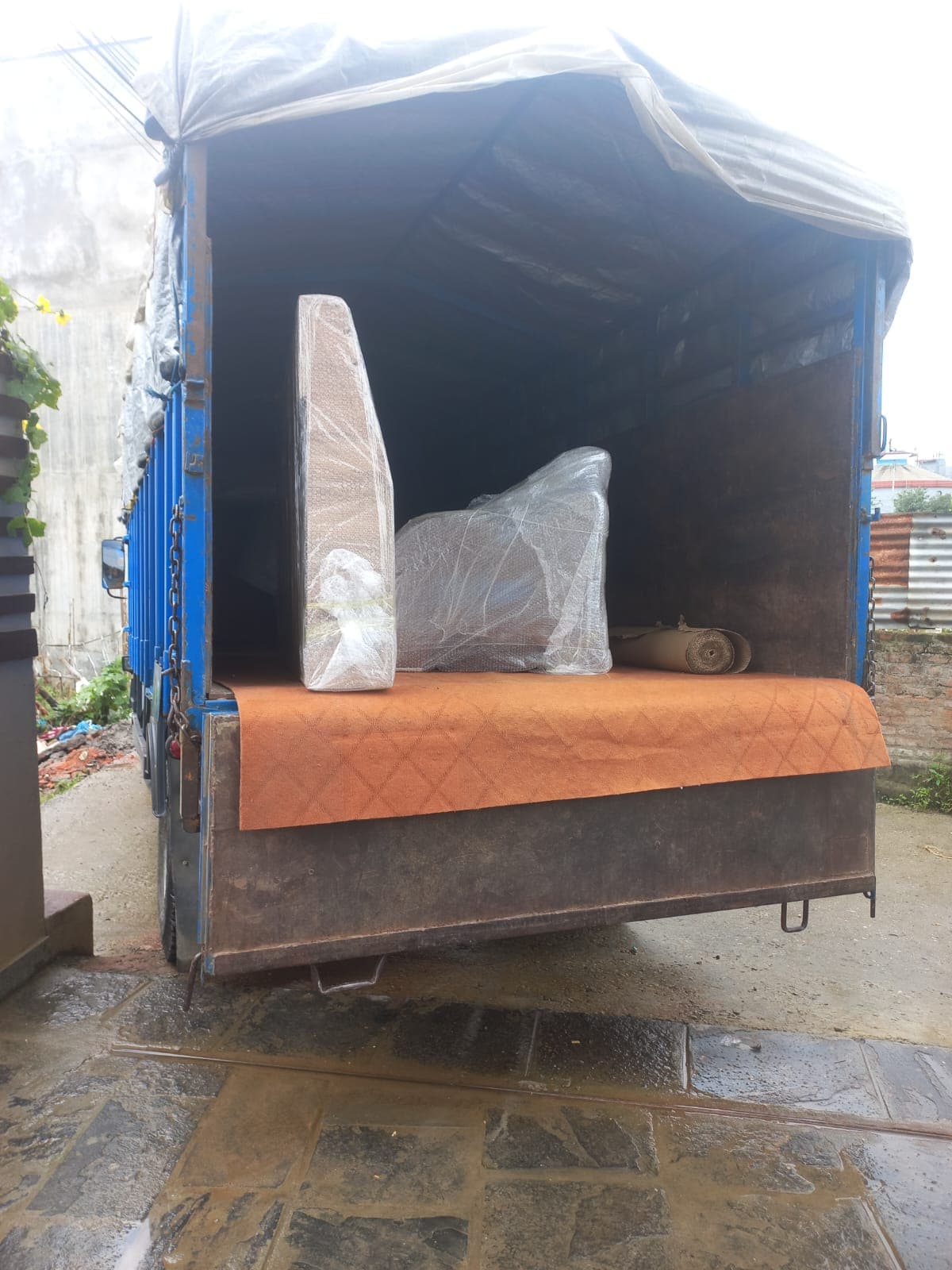
Since this service is fundamentally about physical labor and heavy lifting, safety deserves direct attention:
Proper lifting technique protects workers from injury — bending at the knees rather than the back, avoiding twisting while carrying weight, and using team lifts for genuinely heavy or awkward items rather than attempting solo lifts that exceed safe individual capacity.
Adequate crew size prevents both injury and item damage — attempting to move something that genuinely requires two or more people with insufficient staff increases risk on both fronts.
Proper securing of loaded items protects against shifting during transit — even when the loading crew isn't the one driving, poor securing at the loading stage creates risk throughout the vehicle's journey, regardless of how carefully the vehicle itself is driven.
Clear communication between crew members prevents accidents — particularly for coordinated lifts and carries through tight spaces, where miscommunication about timing or direction can lead to dropped items or injury.
Awareness of Kathmandu-specific access hazards — narrow lanes, uneven or unpaved surfaces near some loading points, and tight vehicle parking areas all introduce genuine physical hazards that experienced local crews are better equipped to navigate safely than an inexperienced or unfamiliar team.
For a typical standalone loading job — say, helping load a rented truck for a small move — the crew arrives, assesses the items and the vehicle's available space, and plans a loading sequence that balances weight distribution with efficient use of space.
Heavier items go in first, positioned low and stable; boxes are stacked logically with fragile items protected and positioned last; furniture is carried carefully through any access constraints at the pickup location.
Once loaded, everything is secured within the vehicle to prevent shifting during transit. At the destination — if unloading is also part of the job — the same careful, methodical process happens in reverse, with items placed according to the recipient's instructions rather than simply set down near the entrance. For a moderate load, this entire process typically takes one to a few hours depending on volume, access conditions, and crew size.
A practical list for anyone booking this service:
What's the difference between loading/unloading service and a full moving service?
Loading/unloading service provides just the physical labor for lifting, carrying, and positioning goods, while you arrange the vehicle separately. A full moving service bundles the vehicle, packing materials, transport, and labor into one coordinated package.
Who typically needs standalone loading and unloading service?
Businesses receiving bulk deliveries, people with a self-arranged or rented vehicle needing help with heavy lifting, retailers restocking between branches, event organizers, and anyone receiving large or heavy furniture/goods deliveries.
Is loading and unloading service cheaper than a full moving package?
Generally yes for situations where you've already arranged transport separately, since you're only paying for the labor component rather than the full bundled service — though this depends on your specific volume and access conditions.
How is pricing calculated for loading/unloading service?
Based mainly on the volume and weight of goods, the number of locations involved (loading only, unloading only, or both), access conditions, and crew size needed. Recurring business arrangements can often secure more predictable rates than one-off bookings.
Can I get loading/unloading help even if I'm using a rented truck rather than a mover's own vehicle?
Yes, this is one of the most common use cases for standalone loading/unloading service — the labor crew works with whatever vehicle you've arranged, whether it's your own, rented, or booked through a separate transport provider.
Do loading and unloading crews handle fragile items carefully, even without full packing service?
A skilled crew should apply visibly extra care to fragile items regardless of service tier — positioning them thoughtfully within the vehicle and flagging if additional protective material is genuinely needed before handling.
Can businesses set up a recurring loading/unloading arrangement for regular deliveries?
Yes, many providers offer this, and it's often more efficient than booking fresh, unfamiliar labor for every delivery, since a consistent crew develops familiarity with the business's specific goods, layout, and typical delivery patterns over time.
What happens if my items are damaged during loading or unloading?
Ask about the provider's specific damage/liability policy for this service before booking, particularly important when the vehicle and labor are arranged through different providers, so there's clarity about responsibility if something goes wrong.
How many people are needed for a typical loading/unloading job?
This depends entirely on the volume and weight of what's being moved — a small load might need just two people, while heavier or bulkier goods require a larger crew for both safety and efficiency. Describing your load accurately helps a provider recommend the right crew size.
Can loading/unloading service handle business inventory and bulk goods, not just household items?
Yes, though it's worth confirming a provider's specific experience with bulk or commercial goods handling, since the volume, efficiency needs, and sometimes item type differ meaningfully from a typical household loading job.
Is loading/unloading service available for urgent or same-day requests?
Often yes, given that this is a labor-focused service without the additional coordination a full moving package requires, though availability can vary, and same-day requests may carry a premium, particularly during high-demand periods like festival season.
Does Nepal City Packers and Movers offer loading and unloading as a standalone service?
Yes — Nepal City Packers and Movers provides loading and unloading labor independently of its full moving packages, serving individuals with self-arranged transport and businesses with regular delivery or bulk-handling needs, applying the same careful lifting technique, weight distribution, and item protection used across its complete range of services.
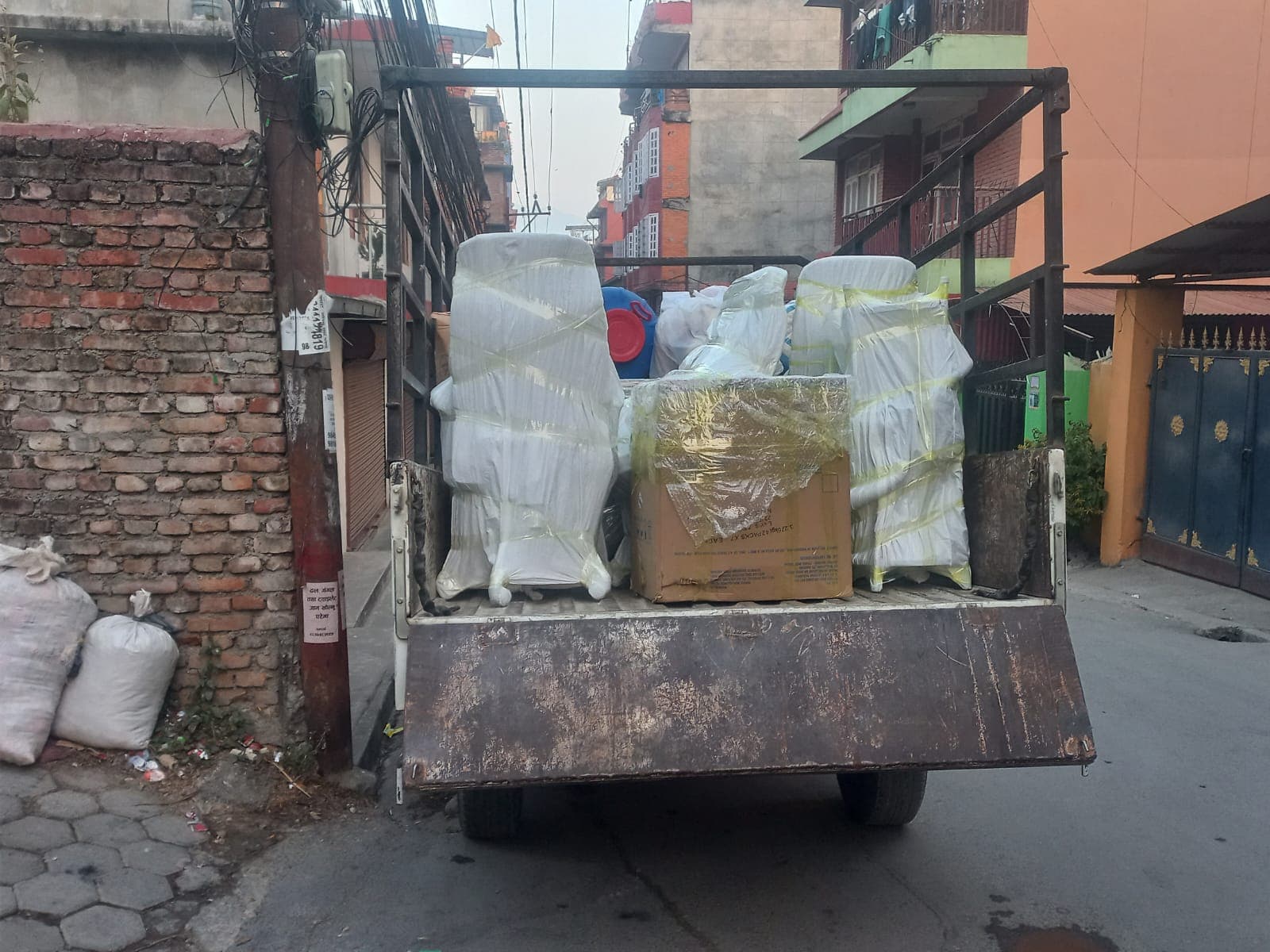
Whether you've got a rented truck and just need help getting everything loaded, a business receiving regular bulk deliveries, or a one-time event's worth of equipment to move on and off a vehicle, skilled loading and unloading labor makes a genuine difference in both safety and how well your goods hold up along the way.
Share your load and access details with Nepal City Packers and Movers, and get the right crew for the job — whether that's a single unloading task or a standing arrangement for recurring business needs.

Nepal City Packers and Movers
Share:
Explore Our Range of Moving & Logistics Services

Experience fast and reliable domestic and international courier services with Nepal City Packers and Movers. Secure delivery for all your packages, locally and globally!

Explore additional services by Nepal City Packers and Movers, including loading, unloading, parking assistance, and more. Tailored solutions for all your needs!

Explore reliable two-wheeler transport services by Nepal City Packers and Movers. Safe, secure, and timely bike transportation locally or across Nepal. Contact us today!
 Nepal City Packers and Movers - Banepa, Kavre
 Top Packers and Movers - Bouddha, Kathmandu
 Professional Packers and Movers - Balaju, Kathmandu
 Reliable and Affordable Packers and Movers - Baluwatar, Kathmandu
 Top-Rated Packers and Movers - Maharajgunj, Kathmandu
 Leading Packing and Moving Service | Nepal City Packers and Movers - Durbarmarga, Kathmandu
 Nepal city packers and movers - Lalitpur, Nepal
 Nepal City Packers and Movers - Thimi, Bhaktapur
 Reliable Packers and Movers - Kupandole, Lalitpur
 Affordable and Reliable Packers and Movers - kalanki, Kathmandu