
Loading…
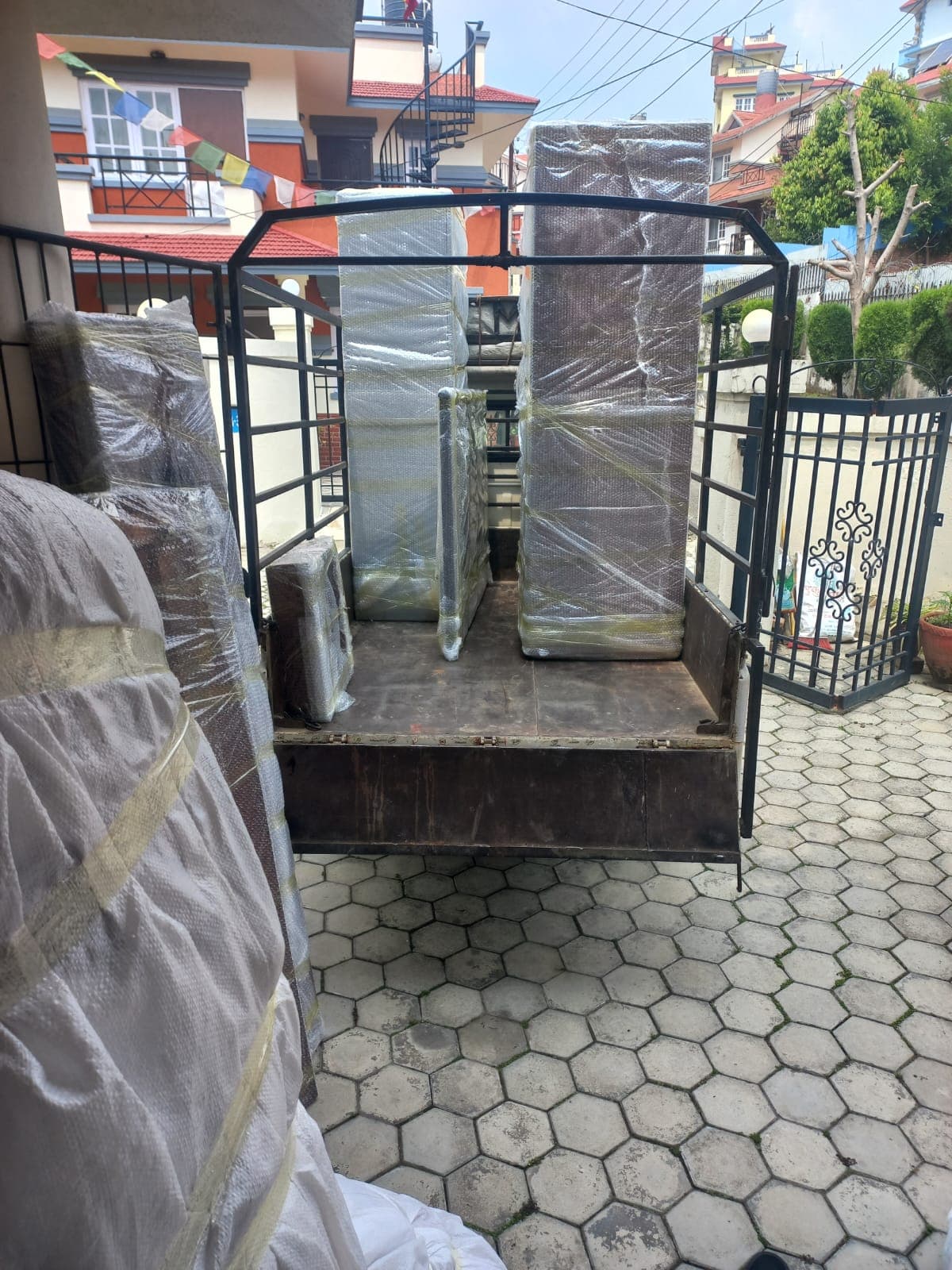
Kathmandu is not one uniform city when it comes to moving. A move out of a narrow lane in the old city core near Ason or Indrachowk looks nothing like a move into a newer apartment complex in Kupondole, and relocating a small office in New Baneshwor is a different job entirely from shifting a warehouse near the Ring Road. Anyone searching for packers and movers in Kathmandu is really looking for someone who understands these differences — not a generic mover who treats every job the same way.
This guide is built around that reality. It covers how packers and movers actually work across Kathmandu's different neighborhoods, what separates a residential move from a business relocation, what genuinely affects cost and timing in this specific city, and how Nepal City Packers and Movers approaches both home and business moves across the valley.
Before getting into services and pricing, it's worth understanding why "Kathmandu" as a moving market actually breaks down into a few distinct zones, each with its own practical challenges:
Recognizing which of these zones your move falls into — or spans between, if you're moving from one to another — genuinely shapes what kind of vehicle, crew size, and timing plan makes sense.
Residential relocation makes up the bulk of moving activity in the city, and it spans a wide range depending on what you're actually moving.
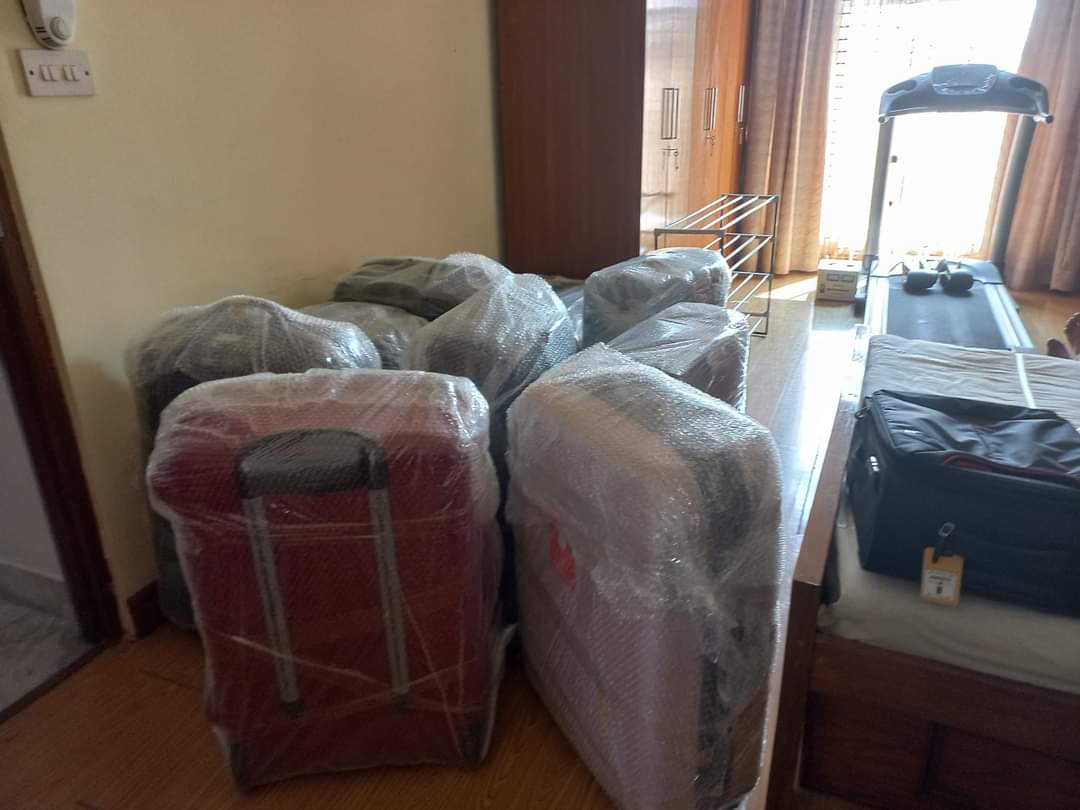
Room moves are extremely common in Kathmandu, driven heavily by the city's large student and young-professional rental population, particularly in areas near universities and colleges and in neighborhoods with a high concentration of shared housing. These moves are typically small in volume — a bed, a desk, a wardrobe, personal belongings — and can often be completed same-day with a small crew and a mini truck.
Budget-consciousness is a real factor for this group, which is why offering a labor-and-transport-only option (where the renter packs their own boxes) alongside full-service packing genuinely matters for this segment.
Flat moves are the single most common category across Kathmandu's rental market, given how much of the city's housing stock is now flats and apartments rather than standalone houses, especially in areas that have seen significant vertical development over the past decade or so.
These moves come with rental-specific considerations — landlord notice periods, security deposit conditions, and increasingly, building-specific rules in managed apartment complexes around lift booking and permitted moving hours.
Independent house moves, while less numerous than flat and room moves given the city's density, are still a regular need, particularly in established residential areas and among families who own or have long-term rented an independent property.
These moves involve considerably more volume — full kitchens, multiple bedrooms, sometimes outdoor or garden items — and benefit from a proper multi-week planning window rather than a last-minute booking.
| Home Move Type | Common in Which Areas | Typical Timeline |
|---|---|---|
| Room shifting | Near colleges/universities, shared housing zones | Same day to a few hours |
| Flat/apartment shifting | Nearly citywide, especially newer developments | Half day to full day |
| House shifting | Established residential neighborhoods | Full day, sometimes more |
Kathmandu's commercial relocation needs are concentrated in its business districts but genuinely span the whole city, given how many small and medium businesses operate out of converted residential spaces, standalone commercial buildings, and dedicated office complexes alike.
Office relocation in Kathmandu centers on one core priority: minimizing business downtime. Companies in areas like New Baneshwor, Durbarmarg, and Putalisadak — dense with office space — often schedule moves for weekends or after business hours specifically to avoid losing a working day.
IT and electronics handling (anti-static packing, careful server and network cable labeling) matters considerably more for these moves than for a typical home relocation, given the value and sensitivity of business equipment involved.
Larger-scale business moves — companies with a full floor of staff, significant IT infrastructure, or specialized equipment — require more structured planning: a proper site survey, phased department-by-department moving where full downtime isn't an option, and often coordination around getting core IT infrastructure (internet, network, servers) operational at the new site before general furniture and staff arrival.
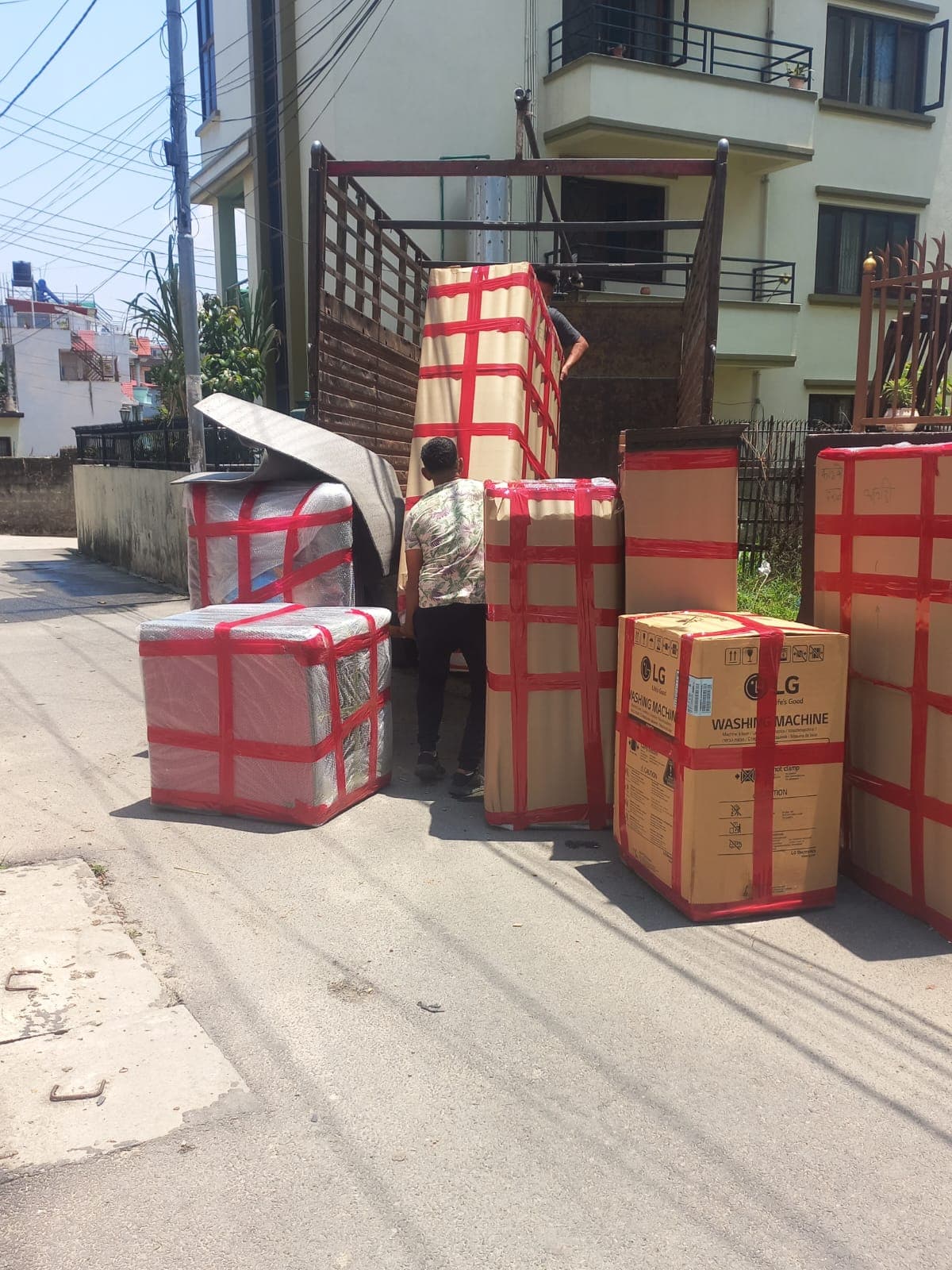
Businesses with inventory-heavy operations — retail shops, small warehouses, or distribution points — have transportation needs that overlap with domestic cargo services as much as with traditional moving, particularly when inventory volume is substantial or ongoing (regular restocking between locations) rather than a one-time relocation event.
| Business Move Type | Key Priority | Typical Scheduling |
|---|---|---|
| Small office (few workstations) | Minimal disruption | Weekend or after-hours, single day |
| Larger office (full floor, servers) | IT continuity, phased approach | Weekend start, IT setup before staff return |
| Retail/warehouse | Inventory integrity, minimal business interruption | Scheduled around business hours/inventory cycles |
This is where genuine local knowledge separates a mover worth trusting from a generic operator running the same playbook everywhere.
Narrow lanes in older neighborhoods. Large trucks simply cannot navigate many of Kathmandu's older residential lanes, meaning goods often need to be carried a meaningful distance to reach a vehicle, or transported using a smaller vehicle for the final stretch — this is a genuine, routine part of moving in areas like the old city core and many older residential pockets throughout the valley.
Buildings without lift access. A large share of Kathmandu's housing stock, including many multi-story independent houses and older apartment buildings, has no functioning lift, meaning furniture and appliances are carried by hand up or down multiple flights — a real labor and time factor that should be reflected honestly in any quote.
Ring Road traffic patterns. For across-town moves, congestion around major junctions — Koteshwor, Kalanki, Chabahil, and similar points along Ring Road — during peak hours can meaningfully affect travel time between pickup and delivery locations, worth factoring into realistic scheduling expectations rather than optimistic best-case estimates.
Managed apartment complex rules. Newer housing societies and apartment complexes, increasingly common in areas like Kupondole, Jhamsikhel, and similar developments, often have their own internal rules — advance lift booking, restricted moving hours, and sometimes a separate refundable deposit against damage to shared areas like lobbies and stairwells.
Monsoon-season access issues. Beyond general rain risk to unprotected belongings, monsoon-season conditions (roughly June to September) can affect road access in some areas, and proper waterproof covering for anything transported in an open vehicle becomes especially important during this period.
Festival-season demand spikes. Dashain and Tihar bring a significant, citywide spike in moving-related demand, affecting both home and business relocations, and tightening mover availability across Kathmandu during these periods — booking well ahead matters more here than at almost any other time of year.
Regardless of whether the job is residential or commercial, here's what a genuinely complete service looks like:
Pre-move assessment. For home moves, this can often be a detailed conversation or photos; for business moves, particularly anything involving IT equipment or a larger office, an in-person site visit is genuinely important to plan properly.
Appropriate packing materials. Bubble wrap and padding for fragile items, sturdy boxes for books and general belongings, anti-static materials specifically for electronics and IT equipment, and blankets or padding for furniture protection during transit.
Furniture and equipment handling. Disassembly and reassembly of beds, wardrobes, desks, and modular furniture — including office-specific furniture like partitions and workstations for business moves.
Vehicle sizing matched to the actual load and access conditions, factoring in Kathmandu-specific realities like narrow lanes and lift availability rather than a generic one-size-fits-all vehicle assumption.
Transparent, written quotes reflecting the actual volume, distance, and access conditions of the specific move — not a number given blind over the phone.
Clear damage and liability policy, particularly important for business moves given the value of equipment typically involved.
Flexible scheduling, including weekend and after-hours options for business relocations specifically designed to minimize downtime.
There's no single "packers and movers Kathmandu" rate, because the cost drivers genuinely differ by move type and location within the city.
Here's the honest framework:
| Factor | Home Moves | Business Moves |
|---|---|---|
| Volume of belongings/equipment | Determines vehicle size and labor hours | Same, but often includes higher-value IT equipment |
| Floor/lift access | Major factor in older buildings and independent houses | Major factor, especially for heavier office furniture and equipment |
| Distance within Kathmandu Valley | Affects transport time, especially across Ring Road | Same, plus potential premium for scheduling around business hours |
| Access conditions (narrow lanes) | Common in older residential neighborhoods | Less common in business districts, but relevant for some converted-space offices |
| Packing complexity | Higher for fragile/valuable personal items | Higher for electronics, servers, and networking equipment |
| Timing | Festival season and weekends can affect pricing | Weekend/after-hours scheduling often preferred, may carry a premium |
| Service tier | Full-service vs. labor-and-transport-only | Typically full-service given equipment sensitivity |
For both categories, the honest answer to "how much will this cost" always depends on the specific details of your move — any provider offering a firm number without understanding your volume, access conditions, and location within Kathmandu is either guessing or planning to adjust the bill later.
For a home move, the crew typically arrives at the agreed time, does a walkthrough to confirm what's being moved, and begins packing — starting with items not needed immediately and finishing with daily essentials. Furniture is disassembled where necessary and carried down, accounting for lift access or narrow stairwells specific to the building. The loaded vehicle then navigates to the new location, with realistic timing built around Kathmandu's traffic patterns rather than optimistic best-case assumptions.
At the destination, items are unloaded, furniture reassembled, and boxes placed by room. For most room and flat moves, this wraps up within a few hours to a day; house moves typically take a full day.
For a business move, timing is built around minimizing operational disruption — often starting after business hours or on a weekend. IT and electronics are packed with anti-static materials and careful cable labeling before disconnection.
Furniture and equipment are transported to the new site, where core IT infrastructure is ideally set up before general furniture placement, so staff can be productive as soon as they arrive on the next working day. Larger corporate moves may extend beyond a single day, particularly where extensive server infrastructure needs testing before full operations resume.
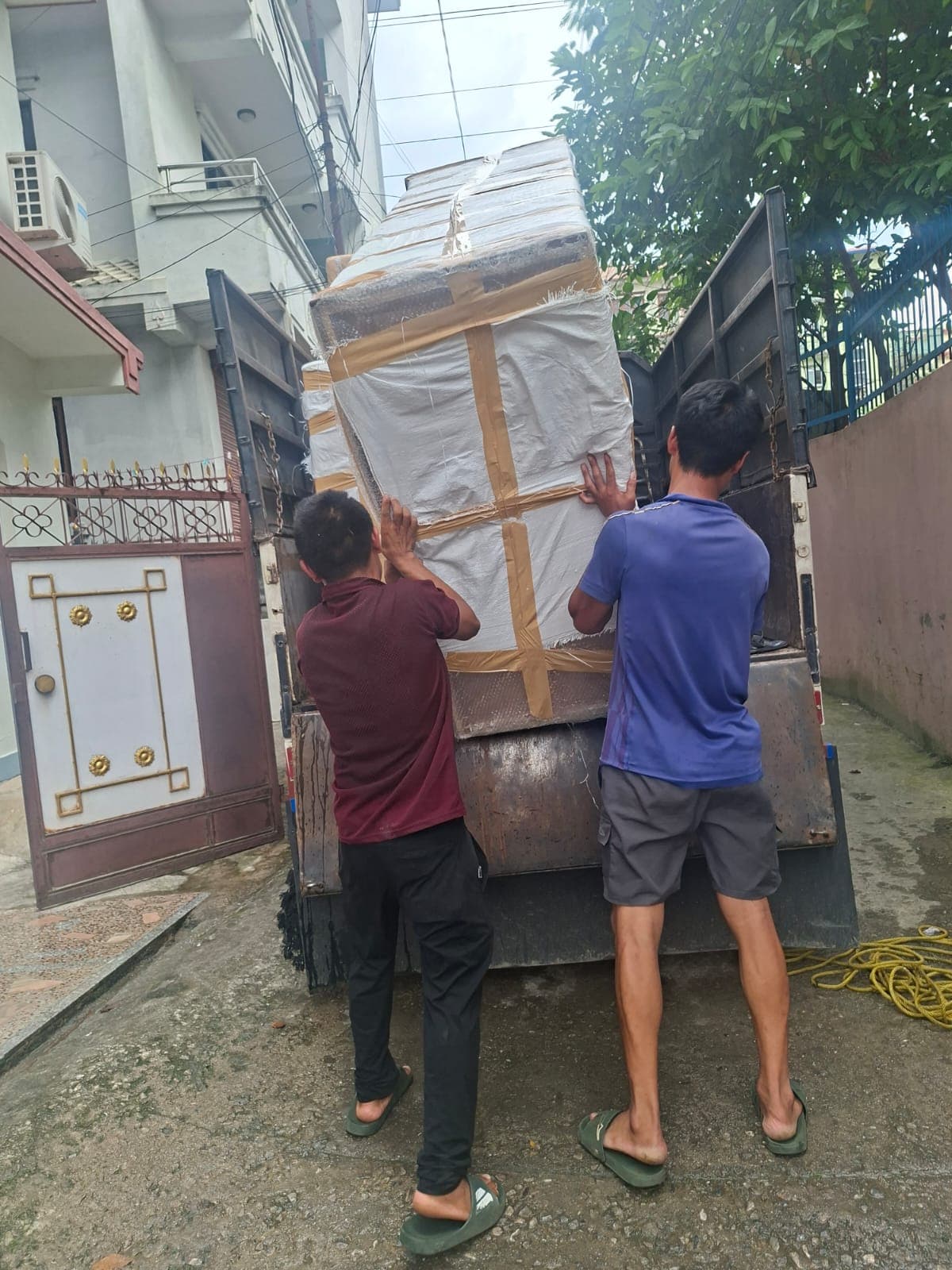
A few things worth confirming regardless of move type:
Ask whether the company has genuine experience with your specific neighborhood or building type — narrow-lane access, no-lift buildings, or managed apartment complex rules all require different handling knowledge. For business moves specifically, ask about their experience with IT and electronics handling, not just general furniture and boxes. Get a written quote based on actual details — volume, floor access, and distance — rather than a rough phone estimate.
Check recent, verifiable reviews, ideally ones that mention your type of move (home vs. office) specifically. Ask directly about their damage and liability policy before booking, not after something goes wrong.
And be cautious of any company offering a fixed quote without asking about your specific access conditions — a red flag common to unreliable operators regardless of move type.
Nepal City Packers and Movers works across Kathmandu's full spectrum of moving needs — room and flat shifting for renters, full house relocations for families, and office and corporate moves for businesses across the city's commercial districts. This range matters because Kathmandu genuinely isn't a uniform moving market: a crew experienced with narrow-lane, no-lift access in the old city core brings different expertise than one focused purely on managed apartment complexes in newer developments, and business relocations require yet another layer of planning around IT equipment and downtime minimization.
Rather than applying the same approach to every job, Nepal City Packers and Movers sizes the vehicle, crew, and timeline to the specific neighborhood, building type, and move category — whether that's a same-day room shift near a university, a weekend office relocation in New Baneshwor, or a full house move from an older residential lane into a newer apartment complex.
Dashain and Tihar (typically falling in September-October, dates varying by the Nepali lunar calendar each year). This is the single highest-demand period for movers in Kathmandu, affecting both home and business relocations. Booking at least one to two weeks ahead during this window is strongly advisable, since availability tightens considerably and pricing may reflect the demand spike.
Monsoon season (roughly June to September). Rain and, in some areas, road access issues can affect timing and require proper waterproof protection for belongings in transit. This matters more for home moves involving open-vehicle transport of furniture and boxes than for business moves, which more often use covered vehicles for sensitive equipment regardless of season.
Academic calendar shifts. Given Kathmandu's large student population, room and flat shifting activity tends to increase around the start and end of academic terms, which can affect availability for smaller-scale movers during these windows specifically.
End-of-fiscal-year and business planning cycles. Some office relocations cluster around business planning cycles, though this varies considerably by company and industry, unlike the more predictable Dashain/Tihar residential surge.
| Consideration | Home Moves | Business Moves |
|---|---|---|
| Primary priority | Careful handling of personal/sentimental items | Minimizing downtime |
| Typical scheduling | Flexible, any day | Weekends/after-hours preferred |
| Key risk area | Fragile personal belongings, furniture damage | IT equipment, data continuity, client disruption |
| Planning lead time | Days (room/flat) to weeks (house) | 1-4 weeks depending on scale |
| Common Kathmandu challenge | Narrow lanes, no-lift buildings | Server/network setup at new location |
| Cost sensitivity | Often high, especially for room/flat renters | Balanced against business disruption cost |
Do packers and movers in Kathmandu handle both home and office relocation?
Yes, many established movers, including Nepal City Packers and Movers, handle both, though it's worth confirming a company's specific experience with your move type, since office moves involve different equipment-handling and scheduling considerations than home relocation.
How does moving in Kathmandu's old city core differ from newer areas?
Older neighborhoods typically have narrow lanes that large trucks can't navigate, requiring goods to be carried further or transported via smaller vehicles for the final stretch. Newer developments generally offer better vehicle access but may have managed-complex rules around lift booking and moving hours.
How much does hiring packers and movers cost in Kathmandu?
Cost depends on volume, floor/lift access, distance within the valley, packing complexity, and timing (festival season typically costs more). An accurate quote requires sharing these specifics rather than accepting a vague phone estimate.
Can office relocations be scheduled to avoid business disruption?
Yes, this is standard practice — most office moves in Kathmandu are scheduled for weekends or after business hours specifically so staff return to a functioning workspace on the next working day, with IT infrastructure set up before general furniture placement.
Do movers in Kathmandu handle IT and electronics carefully during office moves?
Reliable movers use anti-static packing materials for computers and networking equipment, and label server/network cabling before disconnection to make reconnection fast and accurate. Ask specifically about this experience before booking a business move.
What's the busiest season for movers in Kathmandu?
Dashain and Tihar bring the highest demand for both home and business relocation across the city, tightening availability and often raising prices. Booking one to two weeks ahead during this period is strongly advisable.
Do managed apartment complexes in Kathmandu have special moving rules?
Many do — commonly restricted moving hours, advance lift booking requirements, and sometimes a separate refundable deposit against damage to shared areas like lobbies and stairwells. It's worth checking with your specific building's management ahead of time.
Can a mover handle a move from an old city lane into a newer apartment complex?
Yes, though it requires handling two different sets of access challenges — narrow-lane carrying at the old location and lift-booking/building rules at the new one. Confirm your mover has genuine experience with both scenarios.
How far in advance should a business book an office relocation in Kathmandu?
Generally 2-4 weeks ahead for a proper site survey and planning, particularly for larger offices with significant IT infrastructure. This also helps secure a preferred weekend slot, which can book up during busy periods.
Does monsoon season affect moving in Kathmandu?
Yes, rain during the monsoon period (roughly June to September) requires proper waterproof protection for belongings transported in open vehicles, and in some areas, road access can be affected by heavier rainfall. This matters more for home moves than for business moves using covered transport for sensitive equipment.
What should I look for in a mover if I'm relocating a business with servers and networking equipment?
Ask specifically about their experience with anti-static packing, cable labeling before disconnection, and whether they can help get infrastructure operational at the new site before general furniture placement — this goes well beyond standard furniture and box handling.
Is it cheaper to move within the same neighborhood than across Kathmandu?
Generally yes, since shorter distances mean less transport time and, for across-town moves, less exposure to Ring Road traffic congestion during peak hours, which can affect both cost and timing for longer within-valley moves.
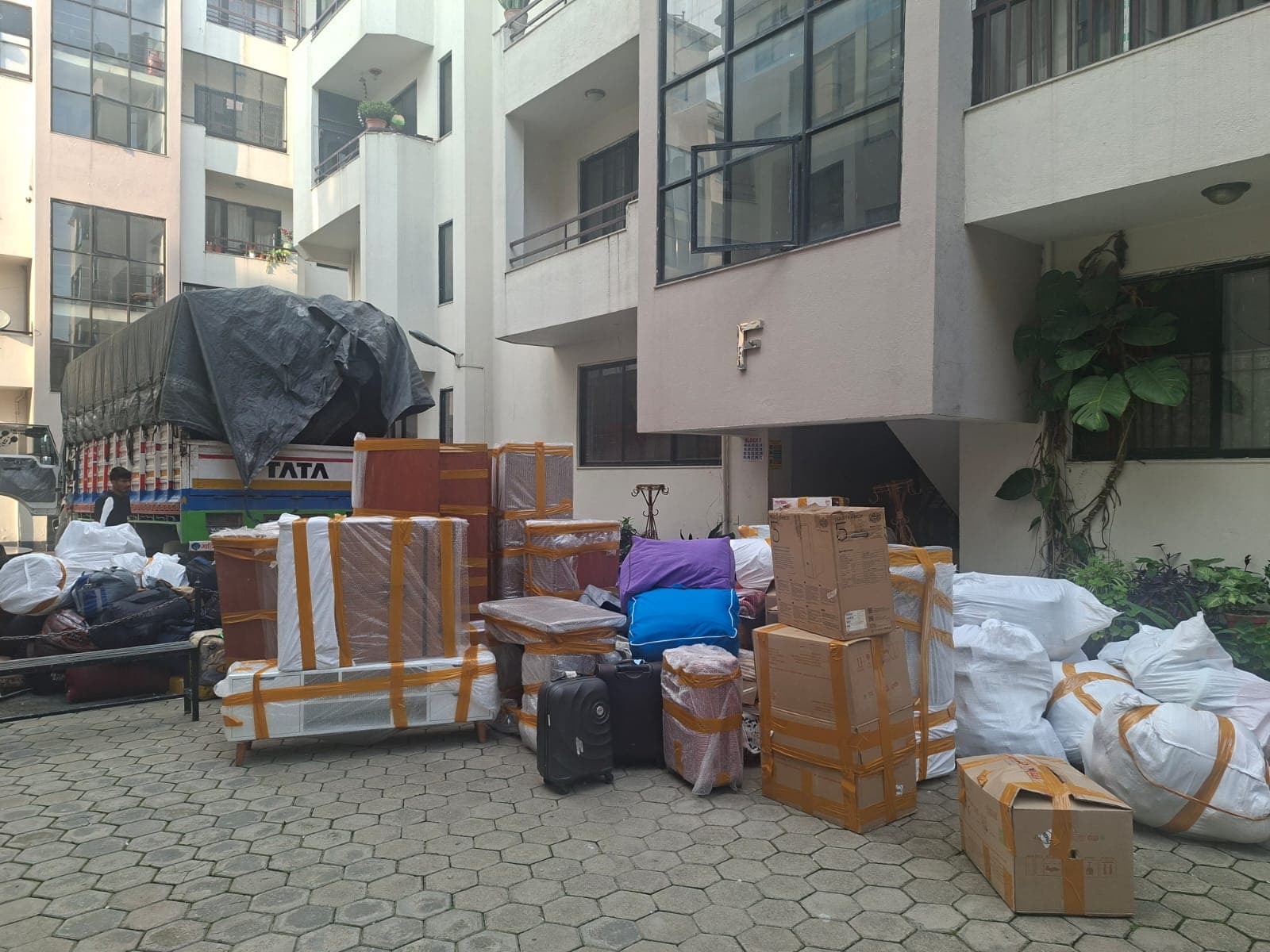
Whether it's a student's room move near a university, a family relocating from an old city lane into a newer apartment, or a business shifting a full office with servers and staff, Kathmandu's specific neighborhoods, access challenges, and seasonal patterns genuinely shape how a move should be planned.
Share your location, move type, and timeline with Nepal City Packers and Movers, and get a plan built around how moving actually works in your part of the city — not a generic, one-size-fits-all approach.

Nepal City Packers and Movers
Share:
Explore Our Range of Moving & Logistics Services

Experience fast and reliable domestic and international courier services with Nepal City Packers and Movers. Secure delivery for all your packages, locally and globally!

Explore additional services by Nepal City Packers and Movers, including loading, unloading, parking assistance, and more. Tailored solutions for all your needs!

Explore reliable two-wheeler transport services by Nepal City Packers and Movers. Safe, secure, and timely bike transportation locally or across Nepal. Contact us today!
 Nepal City Packers and Movers - Banepa, Kavre
 Top Packers and Movers - Bouddha, Kathmandu
 Professional Packers and Movers - Balaju, Kathmandu
 Reliable and Affordable Packers and Movers - Baluwatar, Kathmandu
 Top-Rated Packers and Movers - Maharajgunj, Kathmandu
 Leading Packing and Moving Service | Nepal City Packers and Movers - Durbarmarga, Kathmandu
 Nepal city packers and movers - Lalitpur, Nepal
 Nepal City Packers and Movers - Thimi, Bhaktapur
 Reliable Packers and Movers - Kupandole, Lalitpur
 Affordable and Reliable Packers and Movers - kalanki, Kathmandu