
Loading…
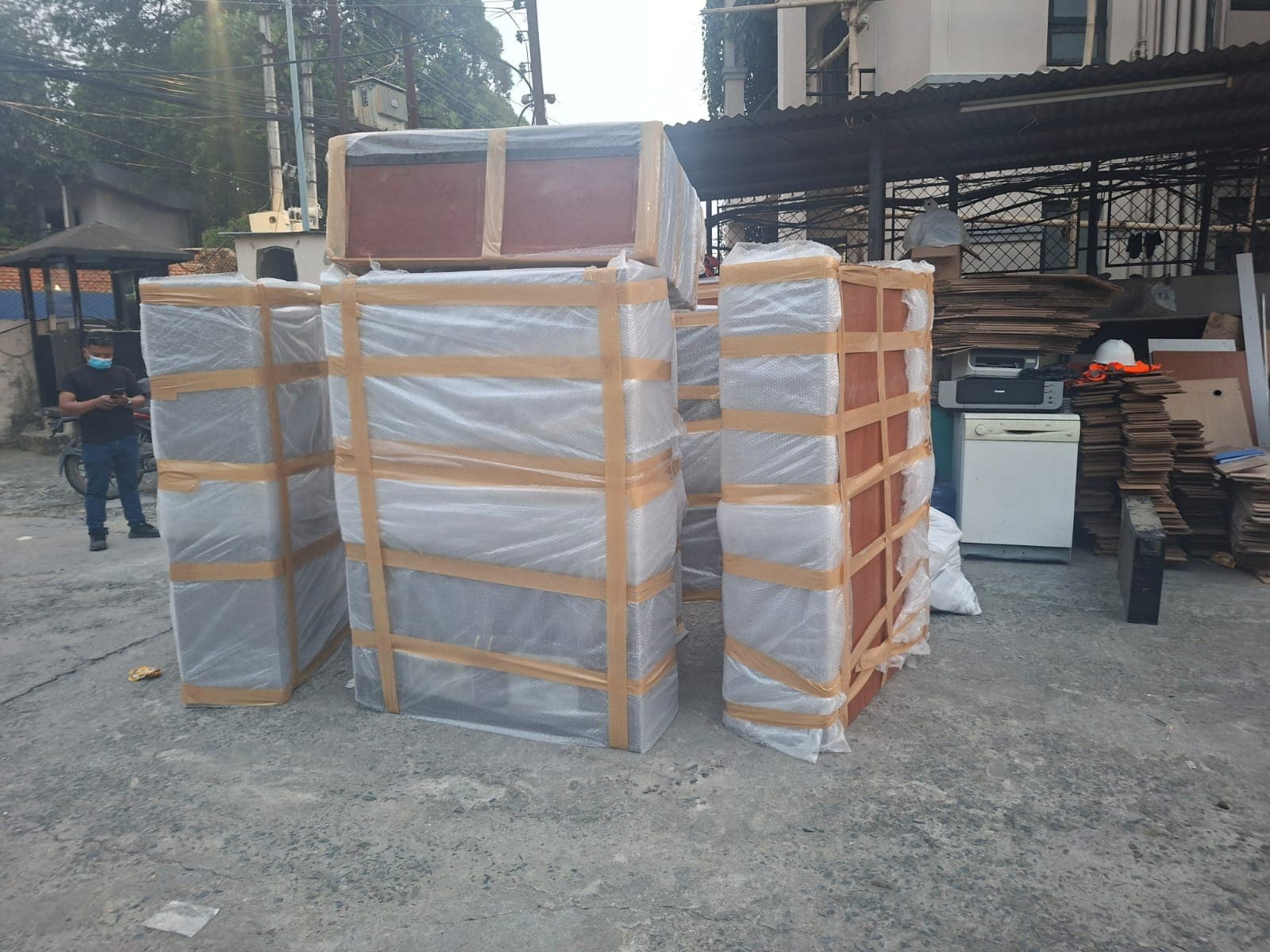
Shifting a flat in Kathmandu follows a fairly predictable sequence — but most people only learn that sequence by living through it once, usually the hard way. This guide walks through that entire sequence in order: from the moment you decide to move, through giving notice, packing, moving day itself, and finally settling into your new flat.
It's written specifically around how flat shifting works in Kathmandu — the rental realities, the building-access challenges, the traffic and seasonal timing that shape every flat move in this city — and reflects the approach Nepal City Packers and Movers takes with every flat relocation it handles across the valley.
Every flat move starts with a date, and in Kathmandu specifically, that date interacts with a few local realities worth knowing before you commit to one.
Give yourself at least 1 to 2 weeks of planning time for a standard flat move — enough to properly pack a full kitchen and living space rather than rushing through it. If your move falls anywhere near Dashain or Tihar (typically in the September-October window, exact dates shifting yearly per the Nepali lunar calendar), plan considerably further ahead, since demand for movers across Kathmandu Valley spikes significantly during this period, tightening both availability and often pricing.
If your move falls during monsoon season (roughly June through September), build in extra buffer time and plan for proper waterproof protection of your belongings during loading and unloading.
| Timing Consideration | Planning Recommendation |
|---|---|
| Standard flat move | 1-2 weeks lead time |
| Move near Dashain/Tihar | Book several weeks ahead if possible |
| Move during monsoon season | Add buffer time; confirm weather protection |
Before anything else moves forward, check your specific rental agreement's notice requirements — this is a distinctly Kathmandu-relevant step, since flat rentals here are governed by individual rent agreements (भाडा सम्झौता) whose notice terms vary by landlord rather than a single standardized rule.
Most rental agreements in Nepal specify a notice period — commonly around 30 days, though this genuinely varies by individual agreement — before vacating. Review your specific agreement rather than assuming a standard timeframe, since giving improper notice can affect your security deposit. If you're unsure of the exact terms, a direct conversation with your landlord early in the process avoids any later confusion or dispute.
Before you begin packing in earnest, walk through your current flat and take clear photos of its condition — every room, including any pre-existing wear, marks, or issues that existed before you moved in or that developed during your tenancy.
This step directly protects your security deposit. Nepali rental agreements typically outline the conditions under which a deposit is refunded or withheld, and deposit disputes usually come down to disagreements over the property's condition at move-out — having a clear photographic record from before you move any furniture gives you concrete evidence if any disagreement arises later.
Alongside documenting the flat's condition, this is the right point in the process to settle any pending utility bills — electricity, water, and any shared maintenance charges — so there's nothing outstanding when you hand back the keys. Review your rental agreement's specific deposit refund clause, so you know exactly what conditions apply before move-out day, not after a disagreement has already started.
If you're moving into a managed apartment complex or housing society — increasingly common in areas like Kupondole, Jhamsikhel, Sanepa, and similar Kathmandu and Lalitpur developments — this step deserves genuine attention before you finalize your moving date.
Many such buildings have their own internal rules: advance lift booking requirements, since buildings don't want a single lift blocked for hours during regular resident use; restricted moving hours, to avoid disturbing other residents; and sometimes a separate refundable deposit specifically against potential damage to shared areas like lobbies, stairwells, or lift interiors — distinct from your rental security deposit.
Check with your new building's management directly, well before moving day, rather than discovering these rules on the day itself.
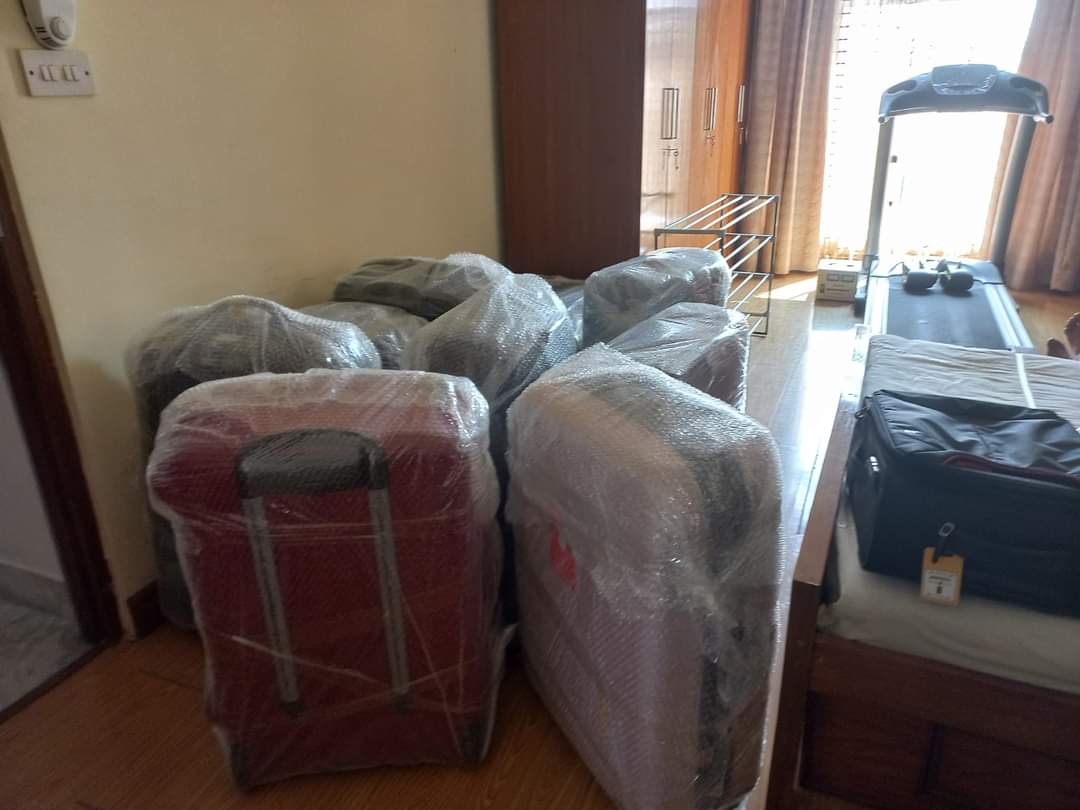
Before requesting a quote, have a rough sense of where your flat falls on the size spectrum — this shapes both the vehicle and crew you'll need:
| Flat Size | Typical Load | Typical Vehicle |
|---|---|---|
| Studio / single room | Bed, small storage, minimal furniture | Mini truck |
| 1BHK | Bedroom furniture, kitchen items, small living set, appliances | Medium truck |
| 2-3BHK | Multiple bedrooms, full kitchen, living/dining furniture, appliances | Larger truck, sometimes 2 trips |
Share this rough sizing, along with your floor level, lift access, and the distance between your current and new flat, when requesting a quote. For anything beyond a studio, insist on either an in-person assessment or a detailed conversation with photos, rather than accepting a number given blind over the phone — this is where most moving-day price disputes originate, and it's entirely avoidable with a proper upfront conversation.
Decide whether you want full-service (the crew packs everything), labor-and-transport-only (you pack your own boxes, the crew handles carrying and transport), or a lighter vehicle-only arrangement for a genuinely minimal load.
This decision affects both cost and how much of the coming weeks you'll spend packing yourself — for many flat moves, labor-and-transport strikes a reasonable balance between cost and convenience, though full-service is worth considering if you have a lot of fragile items or limited time.
For anything beyond a studio, packing everything at once in the final days is overwhelming. A phased approach works better:
Start with what you don't need daily — books, décor, out-of-season clothing, and items in storage or rarely used. Move to secondary spaces — living room decor (keeping essential furniture usable), a home office if not needed for daily work. Pack the kitchen last, since it's used constantly, but start early with rarely used items (special-occasion dishware, bulk pantry storage) and leave daily essentials for the final one to two days.
Pack a dedicated essentials box — a change of clothes, toiletries, phone chargers, basic kitchen items — packed last and kept easily accessible, so your first night in the new flat doesn't require digging through everything you own.
Given how much of a flat's value often sits in glassware, electronics, and other fragile belongings, this step deserves specific attention rather than being rushed alongside general packing.
Wrap fragile items individually — never as a group, even within the same box. Pack plates and flat dishes vertically, on their edge, never stacked flat. Fill all empty space in boxes so nothing can shift during transit — a simple shake test on a sealed box reveals whether more padding is needed.
Store mirrors and any glass furniture components on their edge, never flat, since a flat-lying glass surface is far more vulnerable to cracking under weight from anything placed on top. And for genuinely valuable or sentimental items, consider professional packing specifically for that category, even if you're handling the rest of the move yourself.
If your flat includes appliances that are moving with you — a refrigerator, washing machine — this preparation step happens in the day or two before moving day, not on the morning of.
Refrigerator: defrost and thoroughly dry it out at least a day ahead, to avoid water damage or mold risk during transit. Washing machine: drain the water lines and secure the drum before transport. Gas connections: always handled by a qualified technician, both for disconnection and later reconnection, never left to the general moving crew. Electronics: photograph all cable setups before disconnecting anything, so reassembly at the new flat is straightforward.
A few days before moving day, confirm the practical access details at both your current and new flat — this step genuinely matters more in Kathmandu than almost anywhere else, given how much the city's building stock and street layout varies neighborhood to neighborhood.
Confirm whether either building has a working lift, and if not, be realistic about the added time and labor a no-lift, upper-floor move requires. If either flat sits on a narrow lane — common in older parts of the city — flag this to your mover so they can plan for a smaller vehicle for the final stretch if a large truck can't reach the entrance directly.
If you're moving into a managed complex, reconfirm your lift booking and permitted moving hours from Step 5. And confirm parking and loading access for the moving vehicle at both ends, particularly important in denser neighborhoods with limited street parking.
A quick confirmation call or message with your mover a day or two before moving day — confirming the arrival time, address details, and any last-minute changes to access conditions — prevents the kind of last-minute confusion that can derail an otherwise well-planned move.
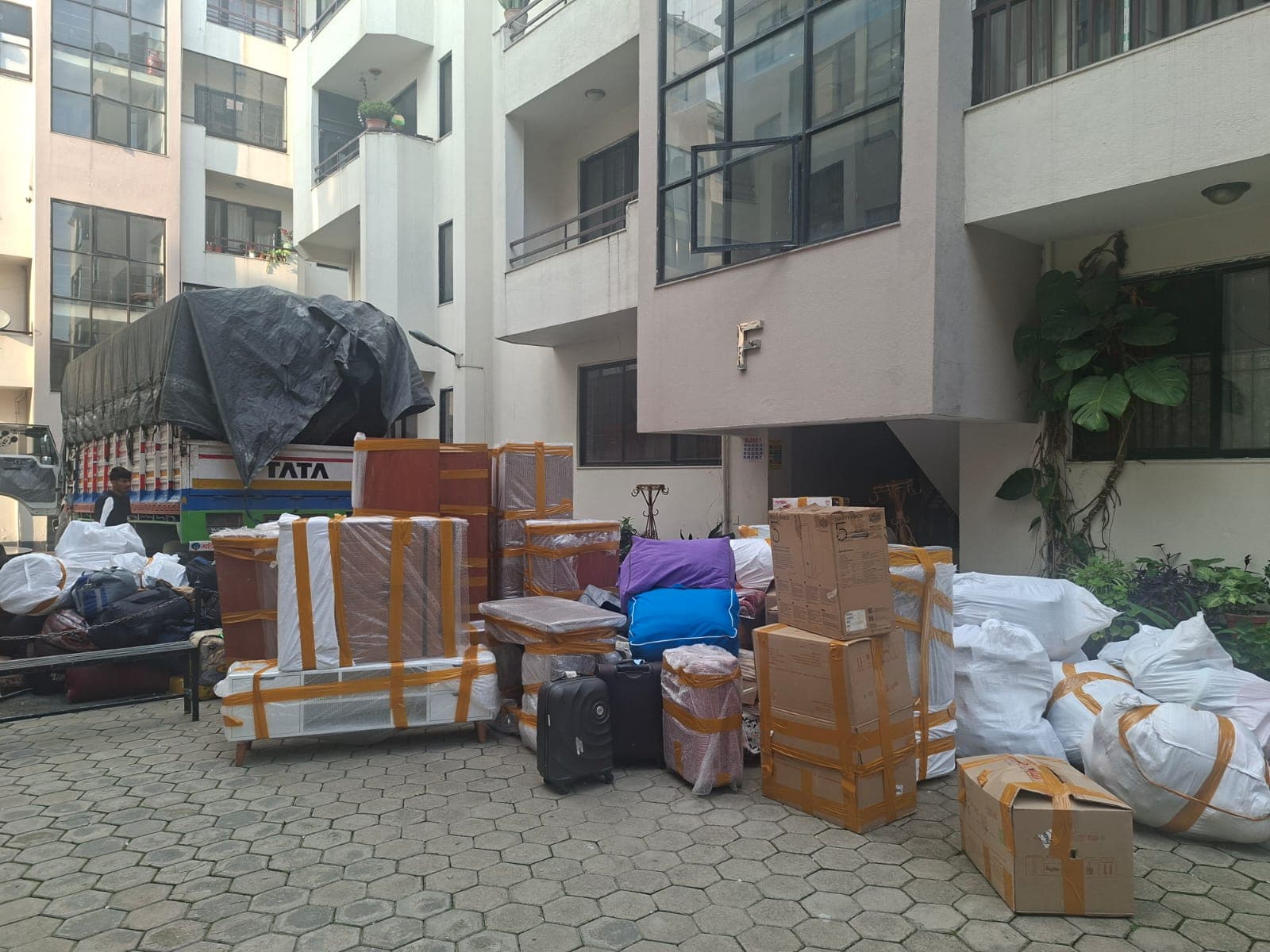
For a standard flat move within Kathmandu Valley, the day generally follows this sequence: the crew arrives at the agreed time and does a quick walkthrough to confirm what's being moved and flag any special-handling items. Any remaining items are packed, followed by furniture disassembly where necessary — beds, wardrobes, and similar pieces broken down for safe transport through doorways and staircases.
Loading follows, with boxes labeled clearly by room and furniture positioned to protect fragile items from pressure. The vehicle then travels to your new flat, with timing depending on distance and Kathmandu's traffic patterns — particularly around Ring Road during peak hours, where congestion near junctions like Koteshwor, Kalanki, or Chabahil can meaningfully affect transit time for across-town moves. At the new flat, items are unloaded and placed according to your instructions, with furniture reassembled as needed.
For a studio or small 1BHK, this entire process often wraps up within a few hours; for a larger 2-3BHK, it typically takes a full day.
| Flat Size | Typical Moving-Day Duration |
|---|---|
| Studio | 2-3 hours (with lift access) |
| 1BHK | 3-6 hours, depending on floor access |
| 2BHK | 4-8 hours, depending on floor access |
| 3BHK | 6-8+ hours, depending on floor access |
What you do immediately after arrival meaningfully affects how quickly the new flat starts feeling functional. Set up your bed first, even before unpacking anything else. Unpack your essentials box next, so basic necessities are immediately accessible.
Confirm your utilities are actually working — power, water, and internet — and flag any issues right away rather than discovering them later at an inconvenient moment. And do a final check of your old flat, either yourself or through someone you trust, confirming nothing was left behind in drawers, closets, or storage areas.
In the days after the move, a few administrative loose ends are worth closing out: confirm your security deposit process with your previous landlord is moving forward as expected, given the condition documentation from Step 3.
If you registered your previous address anywhere requiring updates — certain formal registrations, if applicable to your situation — begin that process. And if your new flat is in a managed complex, confirm any move-in formalities (registering with building management, if required) are complete.
Unpack room by room rather than trying to do everything at once — kitchen and bedroom first, since these affect daily comfort most immediately. Reconnect appliances properly, confirming your refrigerator has stabilized before fully loading it and your gas connection has been professionally reconnected if needed.
And give yourself genuine time — most people underestimate how long a new flat takes to feel fully settled, and a couple of weeks of adjustment is entirely normal, even for a straightforward flat move.
A few realities specific to this city are worth understanding as context for the whole sequence above, since they explain why several of these steps matter more here than they might elsewhere:
Pulling the full sequence into one scannable list:
How long does it take to shift a flat in Kathmandu?
This depends heavily on flat size and floor access — a studio can often be done in 2-3 hours, while a larger 2-3BHK apartment typically takes 6-8+ hours, especially without lift access.
How much notice do I need to give my landlord before shifting flats?
This depends on your specific rental agreement, but many agreements in Nepal specify around 30 days. Check your rent agreement (भाडा सम्झौता) directly rather than assuming a standard timeframe, since improper notice can affect your security deposit.
Do apartment complexes in Kathmandu have specific rules for moving day?
Many do — commonly advance lift booking requirements, restricted moving hours, and sometimes a separate refundable deposit against damage to shared areas. Check with your specific building's management well before your moving date.
What's the best way to protect my security deposit when shifting flats?
Document your flat's condition with clear photos before you begin packing or moving anything, and settle any pending utility bills before handing back the keys — these two steps address the most common sources of deposit disputes.
How does floor and lift access affect a Kathmandu flat move?
Significantly. A no-lift, upper-floor flat requires furniture and boxes to be carried by hand up or down every flight, which meaningfully extends both the time and labor required compared to a lift-accessible or ground-floor flat.
Should I pack everything myself, or hire full-service packing?
This depends on your time and budget — full-service (crew packs everything) is more complete but costs more, while labor-and-transport-only (you pack, they carry and transport) is typically more affordable while still handling the physically demanding parts of the move.
How does Kathmandu's traffic affect flat moving day timing?
For across-town moves, congestion around major Ring Road junctions like Koteshwor, Kalanki, or Chabahil during peak hours can meaningfully add to transport time between your old and new flat — worth planning for with a realistic buffer rather than an optimistic estimate.
When is the busiest time of year for flat shifting in Kathmandu?
Dashain and Tihar, typically falling in the September-October window, bring by far the highest demand for movers across the city. Booking well ahead of this period is strongly advisable given how much availability tightens.
Do I need to prepare my refrigerator before a flat move?
Yes — defrost and thoroughly dry it at least a day before moving day to avoid water damage or mold risk during transit. Washing machines similarly need their water lines drained beforehand.
Can movers navigate narrow lanes in Kathmandu's older neighborhoods?
Experienced Kathmandu movers can generally plan for this — often using a smaller vehicle for the final stretch where a large truck can't reach the doorstep directly — but it's important to disclose this access challenge in advance so it's properly planned for.
What should I do first when I arrive at my new flat?
Set up your bed and unpack your essentials box first, then confirm your utilities (power, water, internet) are working. This gets you to a basic functional baseline quickly, even before the rest of the flat is fully unpacked.
Does Nepal City Packers and Movers handle every step of this process, or just the physical move?
Nepal City Packers and Movers handles the physical relocation — assessment, packing, disassembly, transport, and placement — following the same step-by-step approach outlined in this guide, working alongside you on the administrative steps (landlord notice, deposit documentation, building registration) that fall outside a mover's direct scope but matter just as much to a smooth flat shift in Kathmandu.
Flat shifting in Kathmandu goes smoothly when it's treated as the sequence it actually is — rental notice and documentation first, a proper quote based on real details, systematic packing, and careful attention to this city's specific access realities at every step.
Wherever you are in that sequence, Nepal City Packers and Movers can step in — from an initial quote through the final box unpacked in your new flat.

Nepal City Packers and Movers
Share:
Explore Our Range of Moving & Logistics Services

Experience fast and reliable domestic and international courier services with Nepal City Packers and Movers. Secure delivery for all your packages, locally and globally!

Explore additional services by Nepal City Packers and Movers, including loading, unloading, parking assistance, and more. Tailored solutions for all your needs!

Explore reliable two-wheeler transport services by Nepal City Packers and Movers. Safe, secure, and timely bike transportation locally or across Nepal. Contact us today!
 Nepal City Packers and Movers - Banepa, Kavre
 Top Packers and Movers - Bouddha, Kathmandu
 Professional Packers and Movers - Balaju, Kathmandu
 Reliable and Affordable Packers and Movers - Baluwatar, Kathmandu
 Top-Rated Packers and Movers - Maharajgunj, Kathmandu
 Leading Packing and Moving Service | Nepal City Packers and Movers - Durbarmarga, Kathmandu
 Nepal city packers and movers - Lalitpur, Nepal
 Nepal City Packers and Movers - Thimi, Bhaktapur
 Reliable Packers and Movers - Kupandole, Lalitpur
 Affordable and Reliable Packers and Movers - kalanki, Kathmandu