
Loading…

One of the first real decisions in planning any move isn't the date or even the mover — it's how much of the actual work you want to do yourself. Full-service vs. self-pack moving is a choice that shapes your entire relocation budget, timeline, and stress level, and it's one that genuinely doesn't have a single right answer. A busy professional with a full house of fragile belongings has very different needs than a student with a few boxes and a bed frame, and the right choice depends far more on your specific situation than on which option sounds more "proper."
This guide breaks down exactly what full-service and self-pack moving actually involve, what genuinely affects the decision between them, and how to figure out which approach — or which middle-ground option — fits your move best. Nepal City Packers and Movers offers both ends of this spectrum, along with the practical middle ground most movers in Kathmandu actually choose, and this guide reflects what that choice really looks like once you get past the marketing language and into the real trade-offs.
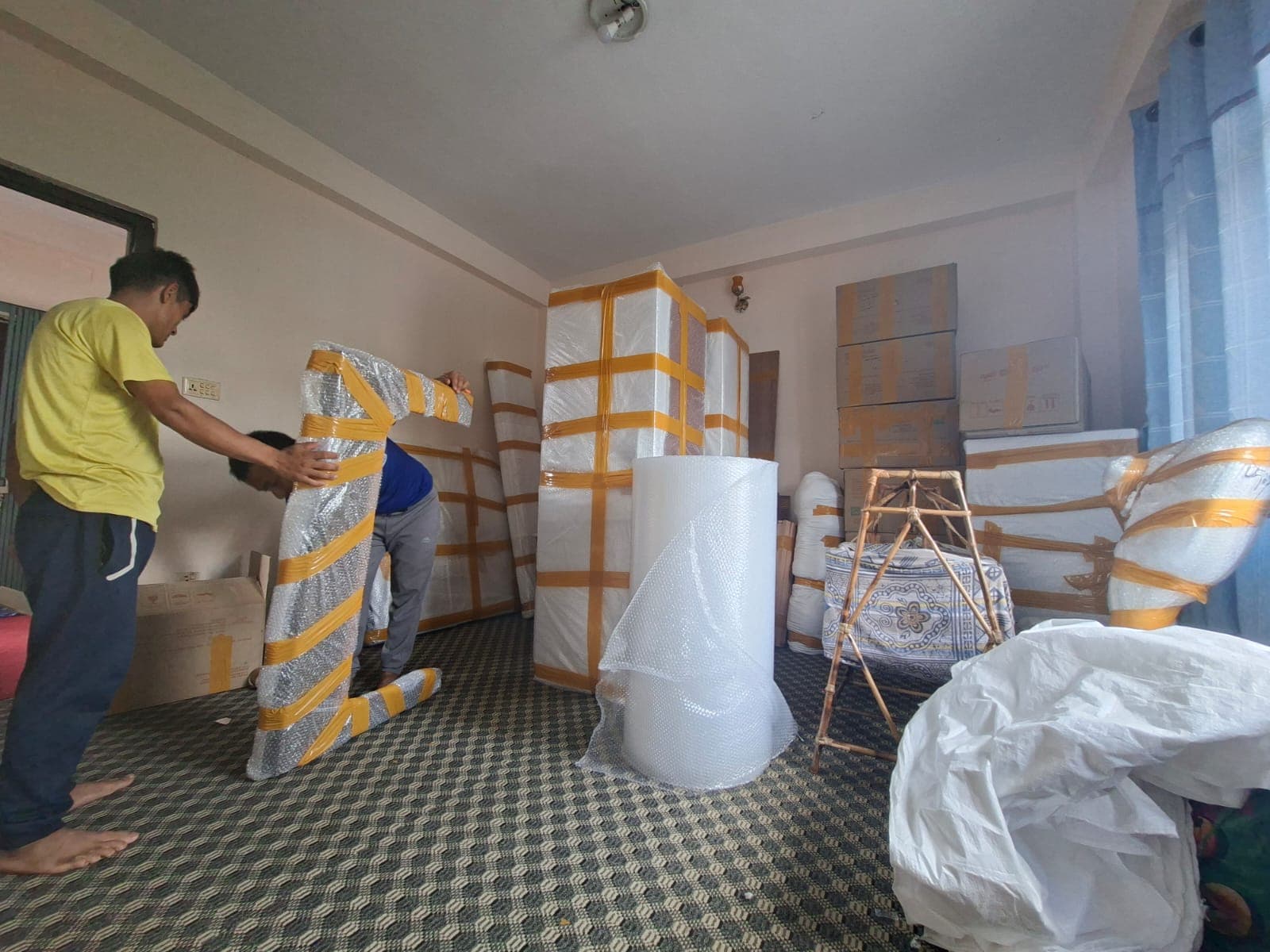
Full-service moving means the moving company handles essentially everything — packing, furniture disassembly, loading, transport, unloading, reassembly, and placement at your new home. You're not expected to source boxes, wrap a single glass, or carry a single item yourself.
A genuine full-service move typically covers: a pre-move assessment of your home and belongings, all packing materials (boxes, bubble wrap, packing paper, furniture blankets), the actual packing labor for every room including fragile and delicate items, disassembly of furniture like beds and wardrobes, loading onto an appropriately sized vehicle, transport to your new home, unloading, furniture reassembly, and placement of boxes and furniture according to your instructions — sometimes with unpacking included as well, depending on what's agreed.
The core appeal of full-service moving is simple: you show up, point at where things should go, and the physical and organizational work is handled by people who do this for a living.
Self-pack moving flips this around — you handle the packing yourself, sourcing your own materials, wrapping your own fragile items, and boxing everything up in advance, while the moving company (or a rented vehicle) handles the transport portion, and sometimes the loading and unloading as well, depending on exactly what "self-pack" means in your specific arrangement.
This is worth being precise about, since self-pack moving isn't actually one single thing — it exists on a spectrum:
Self-pack with labor-and-transport service. You pack every box and bag yourself in advance, but a professional crew handles the physically demanding parts — carrying, loading, transport, and unloading. This is the most common middle-ground option, and genuinely the one most people choosing self-pack moving in Kathmandu actually end up with.
Self-pack with vehicle-only rental. You pack, carry, load, and unload everything yourself (often with friends helping), and the mover simply provides the vehicle and driver. This is the most hands-on, lowest-cost version of self-pack moving.
A hybrid approach. Some people choose to self-pack most of their belongings but leave genuinely fragile or valuable items — glassware, electronics, artwork — to professional packing specifically, getting some of full-service's protection without paying for it across everything.
| Self-Pack Variant | What You Handle | What the Mover Handles |
|---|---|---|
| Self-pack + labor-and-transport | Packing only | Carrying, loading, transport, unloading |
| Self-pack + vehicle-only | Packing, carrying, loading, unloading | Driving only |
| Hybrid (self-pack most items + professional packing for fragiles) | General packing | Fragile-item packing, carrying, loading, transport, unloading |
At the heart of full-service vs. self-pack moving is a straightforward trade-off: full-service costs more but takes almost nothing from you in terms of time and physical effort, while self-pack moving costs less but requires real hours of your own work, planning, and physical labor.
Neither side of this trade-off is inherently "better" — it genuinely depends on which resource is scarcer for you right now. Someone with a demanding job and very little free time in the weeks before a move often finds that the cost of full-service is worth it simply to reclaim those hours. Someone with more flexible time, a tighter budget, and the physical capacity to do some of the work themselves often finds self-pack moving — particularly the labor-and-transport version — delivers real savings without much downside.
| Factor | Full-Service Moving | Self-Pack Moving |
|---|---|---|
| Upfront cost | Higher | Lower |
| Time investment from you | Minimal | Significant, especially for a full household |
| Physical effort required | None to minimal | Real, depending on which self-pack variant you choose |
| Control over how items are packed | Less — you're trusting the crew's judgment | Full control over every box |
| Risk of improper packing | Lower, given professional technique | Higher if you're inexperienced with fragile or heavy items |
| Best suited for | Larger homes, limited time, high-value or fragile-heavy households | Smaller moves, flexible schedules, budget-conscious renters |
A few situations where the case for full-service is genuinely strong, not just a matter of preference:
You're short on time. If your moving date is approaching and you simply don't have the days or weeks needed to properly pack an entire home, full-service moving compresses what would be a multi-day personal project into a single, professionally managed day.
Your home has a lot of fragile, valuable, or sentimental items. Proper fragile-item packing — individual wrapping, correct box orientation for plates, appropriate padding for glassware and electronics — takes real technique. If your home is genuinely full of this kind of belonging, professional packing reduces the risk of damage in a way that's hard to replicate without experience.
You're managing a full house shifting with significant volume. Larger homes — multiple bedrooms, a full kitchen, years of accumulated belongings — represent a genuinely large packing project, and the time cost of self-packing scales up considerably with volume in a way that can outweigh the savings.
You're relocating for business and need minimal disruption. For an office move, full-service handling is almost always the right call given the sensitivity of IT equipment and the real cost of business downtime — this is one of the clearest cases where paying for full-service genuinely pays for itself.
You have physical limitations that make heavy lifting or extensive packing difficult. Full-service moving removes the physical demands entirely, which matters genuinely for anyone who can't safely handle heavy furniture or hours of bending and carrying.
The case for self-pack moving is just as real, particularly for a meaningful share of moves in Kathmandu:
You're moving a smaller space — a room or studio. The packing burden for a single room is genuinely manageable in an evening or two, making the time savings from full-service proportionally smaller while the cost savings from self-pack remain significant.
Budget is a real constraint. For students, young professionals, and budget-conscious renters, the labor-and-transport self-pack variant is consistently one of the biggest cost levers available — packing labor is often where a meaningful share of a full-service quote comes from.
You have the time and genuinely don't mind the work. Some people simply prefer handling their own belongings — there's a real sense of control in knowing exactly how everything was packed, and for those with the time to spare, this preference is entirely reasonable.
Your flat shifting involves mostly standard, non-fragile items. A flat with general furniture, books, and clothing — without a lot of glassware or delicate electronics — is genuinely lower-risk to self-pack than a home full of fragile heirlooms.
You're moving with help from friends or family. If you have reliable people available to help with packing and even some of the carrying, the labor-and-transport or vehicle-only variants of self-pack moving become considerably more manageable than attempting it entirely alone.
A genuinely useful comparison of full-service vs. self-pack moving has to go beyond the headline price difference, since both options carry costs that aren't always obvious upfront.
Full-service's hidden costs can include charges for unusually difficult access (extensive stairs, no lift, narrow lanes requiring extra labor time), specialty item handling for pianos or antiques, and sometimes a premium for weekend or after-hours scheduling if you need to minimize disruption. None of these are necessarily unreasonable, but they're worth confirming upfront in your quote rather than discovering later.
Self-pack's hidden costs are less obvious but just as real: the cost of packing materials you need to source yourself (boxes, tape, bubble wrap), the genuine value of your own time spent packing — which can run into many hours for a full household — and the real financial risk of damage from improper packing technique, since a self-packed item that breaks in transit may not be covered the same way a professionally packed item would be under a mover's damage policy.
| Hidden Cost Category | Full-Service | Self-Pack |
|---|---|---|
| Difficult access (stairs, no lift) | Possible labor surcharge | Your own time and physical effort increase |
| Specialty/fragile items | Usually included in full-service pricing | Risk of damage if packed without proper technique |
| Materials | Included | You source and pay for these yourself |
| Your time | Minimal | Can be substantial for larger homes |
| Damage liability | Typically covered under the mover's policy | May have more limited coverage for self-packed items — confirm this directly |
This is one of the most practically important differences in the full-service vs. self-pack moving decision, and it's worth addressing directly rather than glossing over.
When a professional crew packs your belongings, any damage that occurs is generally covered under the mover's damage and liability policy, since they controlled the entire packing process. When you self-pack, the situation is often more nuanced — a mover's liability coverage may apply differently (or not at all) to damage caused by inadequate packing technique on items you packed yourself, since the mover had no control over how well-protected those items actually were inside their boxes.
This doesn't mean self-pack moving is inherently risky — plenty of people pack their own belongings perfectly well — but it does mean the stakes of getting your own packing technique right are genuinely higher under a self-pack arrangement. If you're choosing self-pack specifically to save money, it's worth investing real care into properly protecting your fragile and valuable items, or considering the hybrid approach of self-packing general items while leaving anything genuinely delicate to professional handling.
Always ask your mover directly, regardless of which option you choose, exactly what their damage policy covers — this single question clarifies more about your actual risk exposure than almost anything else in the decision.
The right choice doesn't just depend on your personal preference — it genuinely shifts based on what kind of move you're actually planning.
Room and studio moves lean naturally toward self-pack, given the small volume involved — the time savings from full-service are proportionally smaller when there's simply less to pack in the first place.
Flat and apartment moves sit in the genuine middle ground, where the choice often comes down to how much fragile or valuable material is involved and how much time you realistically have before moving day.
Full house moves lean more toward full-service, or at minimum a hybrid approach, given the sheer volume and the time cost of self-packing an entire household's worth of belongings, including a full kitchen and multiple bedrooms.
Office relocations lean strongly toward full-service, given the sensitivity of IT equipment and the real business cost of extended downtime from a packing job that wasn't handled efficiently and carefully.
Long-distance and intercity moves genuinely benefit from more robust, professional-grade packing given the extended transit time and additional handling involved — a case where even committed self-packers often choose at least the hybrid approach for anything genuinely fragile.
| Move Type | General Lean |
|---|---|
| Room/studio | Self-pack |
| Flat/apartment | Middle ground — depends on fragile-item volume and available time |
| Full house | Full-service or hybrid |
| Office | Full-service |
| Long-distance/intercity | Full-service or hybrid, especially for fragile items |
It's worth dedicating real attention to the hybrid option, since it's genuinely underused relative to how well it fits many real-world situations. Rather than treating full-service vs. self-pack moving as a strict either-or choice, many movers — including a significant share of Nepal City Packers and Movers' own customers — choose to self-pack the bulk of their general belongings (clothing, books, kitchen basics, decor) while leaving specifically fragile, valuable, or sentimental items to professional packing.
This approach captures most of self-pack's cost savings, since general items make up the majority of most households' volume, while still getting professional protection for the smaller category of belongings where damage would actually hurt the most. It's a genuinely practical middle ground worth discussing directly with your mover rather than assuming you have to choose one extreme or the other.
Rather than treating this as an abstract preference, here's a more concrete way to work through the full-service vs. self-pack moving decision for your specific situation:
Start by estimating your realistic packing time if you self-pack. A single room might take an evening; a full house can genuinely take a week or more of dedicated evenings and weekends. Compare this honestly against how much time you actually have before your moving date.
Assess your home's fragile and valuable item density. A home with substantial glassware, electronics, or sentimental pieces tilts the decision toward full-service or at least the hybrid approach, given the technique involved in protecting these properly.
Consider your budget constraints honestly. If cost is a genuine limiting factor, the labor-and-transport self-pack variant delivers real savings without sacrificing the physically demanding parts of the move.
Factor in physical capability. If heavy lifting or hours of bending and carrying isn't realistic for you — due to age, health, or simply lack of available help — this pushes the decision toward full-service regardless of other factors.
Think about what you'd actually enjoy or tolerate. Some people genuinely find packing cathartic or prefer the control; others find it stressful and would rather pay to avoid it entirely. This isn't a trivial factor — your own experience of the moving process matters.
Working through these five considerations honestly usually makes the right choice fairly clear, even before getting a formal quote from a mover.
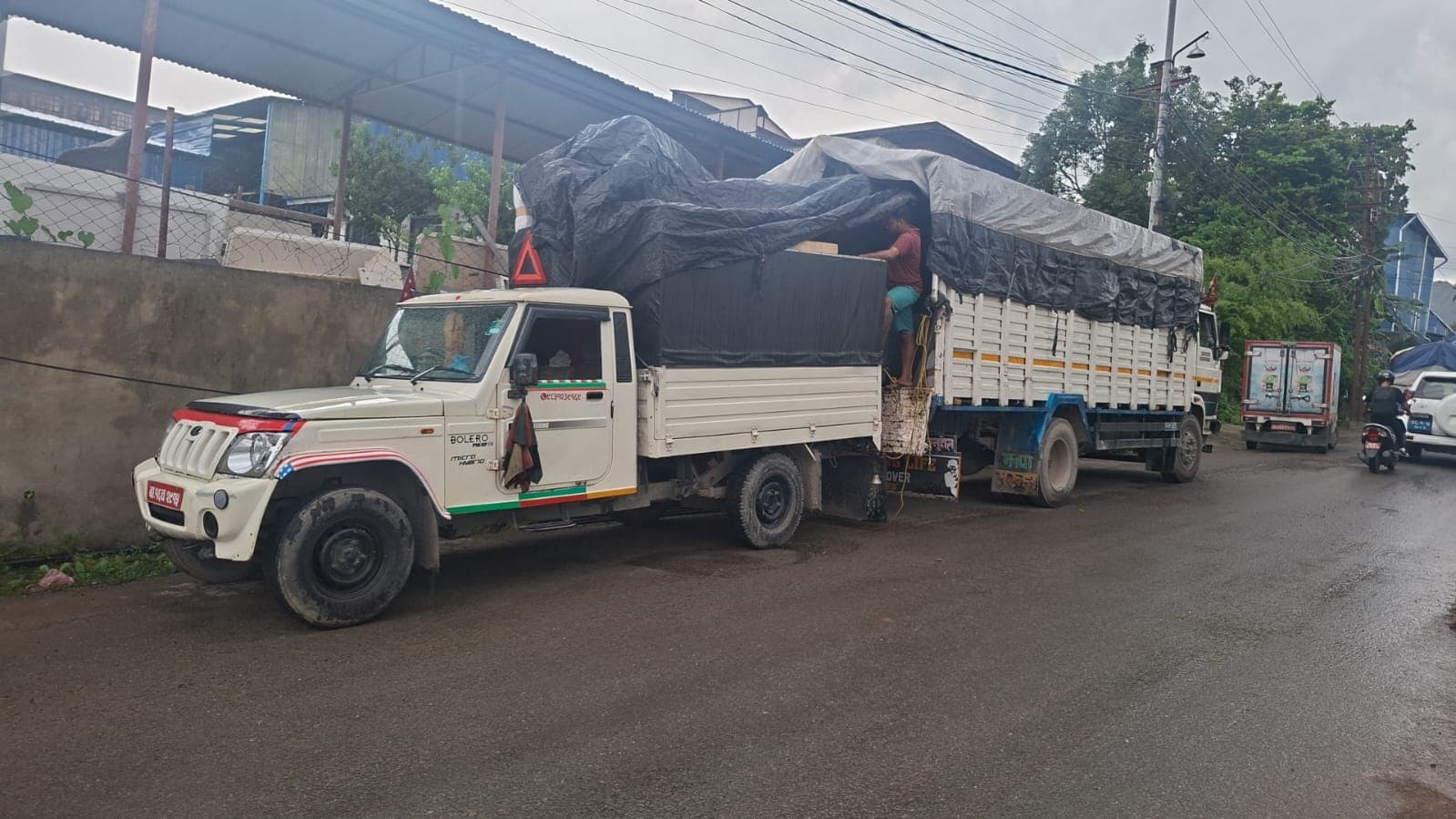
If self-pack moving is the direction you're leaning, a few practical steps help you get genuine value from the choice: start collecting free or low-cost boxes well in advance rather than buying everything new, pack room by room over several days rather than rushing everything into a single stressful weekend, invest in proper materials specifically for your most fragile items even if you're cutting costs elsewhere, and label everything clearly so unpacking doesn't become its own time-consuming project at the other end.
For more general strategies on keeping costs down across any kind of move, it's worth reading through budget-focused moving guidance alongside this comparison, since cost-saving and the full-service vs. self-pack decision are closely connected.
Regardless of which direction you're leaning, a few direct questions help clarify the real choice in front of you: ask for a clear price breakdown showing the cost difference between full-service and labor-and-transport-only for your specific move, so you can see the actual savings rather than guessing. Ask what their damage policy covers differently between items they packed versus items you packed yourself.
Ask whether a hybrid arrangement — self-packing general items while they handle fragiles — is something they offer, since not every provider structures it this way by default. And ask how much lead time each option requires, since full-service sometimes needs more advance booking given the additional labor involved, while self-pack gives you more flexibility on exactly when the physical move itself happens.
Nepal City Packers and Movers offers the full range across this spectrum — complete full-service packing, labor-and-transport-only for self-packers, vehicle-only for the most hands-on approach, and the hybrid option combining self-packing with professional handling for fragile items — matched to whatever genuinely fits your move, budget, and timeline, rather than defaulting everyone into the same package.
What's the real cost difference between full-service and self-pack moving?
This varies by your specific move's volume and complexity, but self-pack moving — particularly the labor-and-transport variant — is consistently more affordable than full-service, since packing labor is often a significant share of a full-service quote.
Is self-pack moving safe for fragile items like glassware and electronics?
It can be, provided you use proper packing technique — individual wrapping, correct box orientation, and adequate padding. If you're not confident in handling genuinely fragile or valuable items yourself, a hybrid approach that leaves these specifically to professional packing is a reasonable middle ground.
Does full-service moving include furniture disassembly and reassembly?
Yes, this is a standard part of full-service moving — beds, wardrobes, and other furniture requiring disassembly for safe transport are handled by the crew, including reassembly at your new home.
What is labor-and-transport-only moving, and how does it differ from full-service?
It means you pack your own boxes and bags in advance, while the crew handles carrying, loading, transport, and unloading. It's a middle-ground option that removes the physically demanding parts of a move while keeping packing costs down.
Is full-service moving worth it for a small room or studio move?
Often not necessary — the time savings from full-service are proportionally smaller for a small volume, making self-pack or labor-and-transport-only the more cost-effective choice for most room and studio moves.
Does choosing self-pack moving affect my mover's damage liability coverage?
It can — damage to items you packed yourself may be covered differently than damage to professionally packed items, since the mover had no control over how well-protected your own packing was. Always confirm this directly with your mover before deciding.
Can I mix full-service and self-pack within the same move?
Yes, this hybrid approach — self-packing general items while leaving fragile or valuable belongings to professional packing — is a genuinely practical middle ground that many people choose, combining cost savings with protection where it matters most.
How much time does self-packing a full house actually take?
This varies by household size, but a full house's worth of belongings can genuinely take a week or more of dedicated packing time across multiple evenings and weekends, compared to a single professionally managed day with full-service.
Is full-service moving recommended for office relocations?
Generally yes — given the sensitivity of IT equipment and the real business cost of extended downtime, full-service handling (including proper anti-static packing for electronics) is almost always the right call for an office move.
What packing materials do I need if I choose self-pack moving?
Sturdy boxes in a range of sizes, packing tape, bubble wrap or packing paper for fragile items, and furniture blankets or padding if you're handling any furniture protection yourself. Sourcing these in advance rather than at the last minute helps avoid a rushed packing process.
Does self-pack moving save money on long-distance or intercity moves?
It can on the packing labor side, but long-distance moves generally benefit from more robust, professional-grade protection given the extended transit time — many people choose a hybrid approach specifically for intercity moves, even if they self-pack for shorter, local relocations.
How do I know if my home has too many fragile items for self-pack moving?
If a significant share of your belongings consists of glassware, electronics, artwork, or sentimental pieces that would be genuinely costly or upsetting to lose, this is a strong signal to lean toward full-service or at least a hybrid approach rather than full self-pack.
Can I self-pack and still get help with the physically demanding parts of moving?
Yes — this is exactly what the labor-and-transport-only option provides: you handle the packing, while a professional crew handles carrying, loading, transport, and unloading.
Is vehicle-only moving the same as self-pack moving?
Vehicle-only is the most hands-on variant of self-pack moving — you handle packing, carrying, loading, and unloading yourself, with the mover providing just the vehicle and driver.
What questions should I ask before choosing between full-service and self-pack?
Ask for a clear price comparison for your specific move, confirm how damage liability differs between professionally packed and self-packed items, ask whether a hybrid option is available, and clarify how much lead time each option requires.
Does full-service moving cost more for larger homes specifically?
Generally yes, since cost scales with the volume and complexity being packed and moved — but the time savings from full-service also scale up proportionally, which is exactly why larger homes often make the strongest case for choosing it.
Can students or budget-conscious renters still get professional help without full-service pricing?
Yes — the labor-and-transport-only option is specifically well-suited to this situation, letting you save on packing costs while still getting professional help with carrying, loading, transport, and unloading.
What happens if I choose self-pack moving but run out of time before moving day?
This is a genuine risk of self-pack moving — if you're running behind, discuss options with your mover, including whether they can step in to help finish packing on short notice, rather than rushing the remaining items without proper care.
Is there a right answer between full-service and self-pack moving?
No — the right choice genuinely depends on your specific move type, budget, available time, physical capacity, and how much fragile or valuable material you're moving. Working through these factors honestly, rather than defaulting to either extreme, leads to the better decision for your situation.
Does Nepal City Packers and Movers offer both full-service and self-pack options?
Yes — Nepal City Packers and Movers offers the complete range, including full-service packing, labor-and-transport-only for self-packers, vehicle-only for the most hands-on approach, and a hybrid option combining self-packing with professional handling for fragile items.
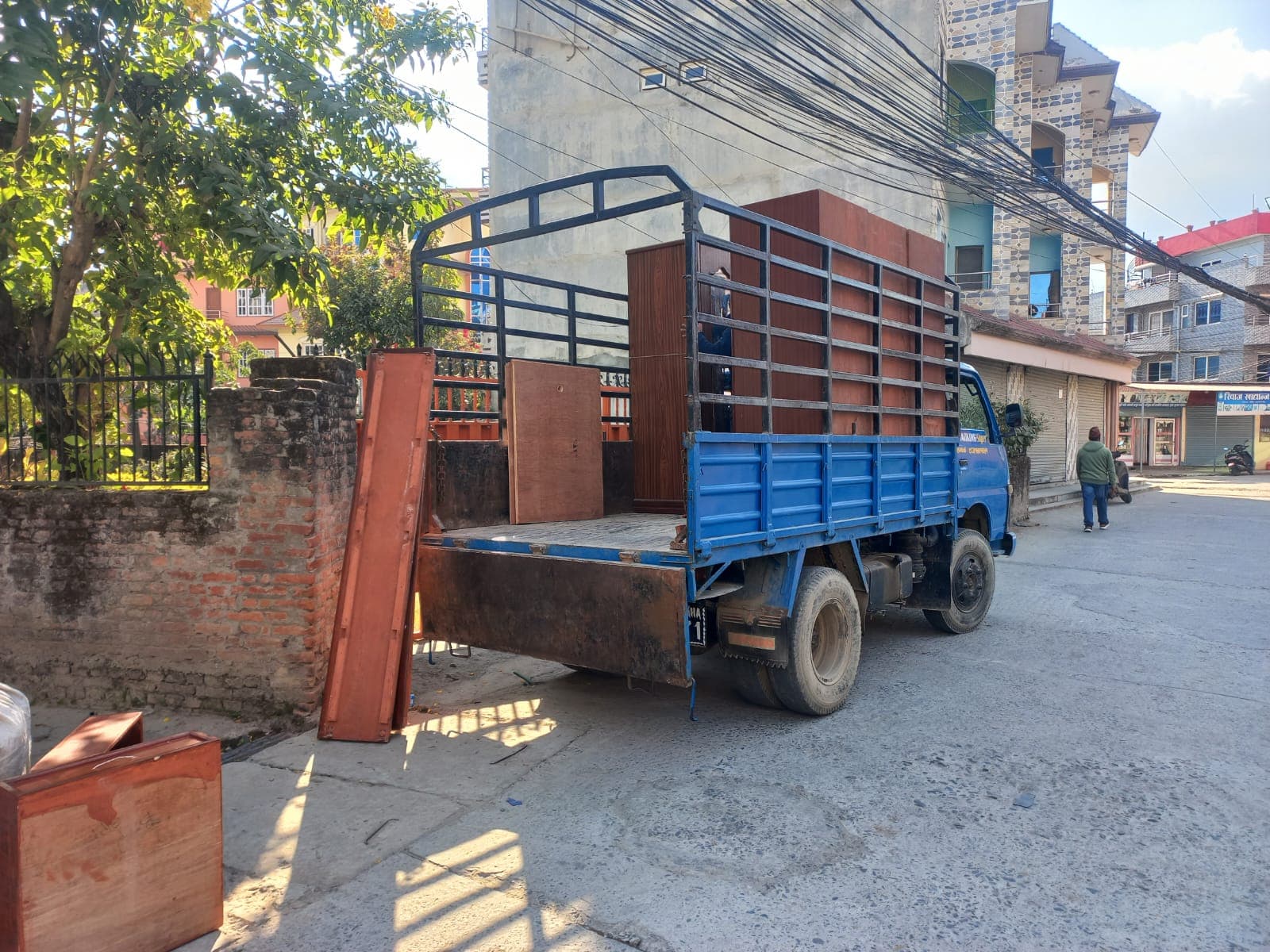
Whether full-service, self-pack, or a hybrid of the two fits your situation best, the right choice comes down to being honest about your time, your budget, and how much of your home's volume genuinely needs a professional's touch. Nepal City Packers and Movers offers every option on this spectrum, with clear pricing for each, so you're choosing based on what actually fits your move — not guessing.
Not sure which option is right for you? Message Nepal City Packers and Movers on WhatsApp at +977 9851364869, describe your move, and get a clear comparison of your full-service, self-pack, and hybrid options before you decide.

Nepal City Packers and Movers
Share:
Explore Our Range of Moving & Logistics Services

Experience fast and reliable domestic and international courier services with Nepal City Packers and Movers. Secure delivery for all your packages, locally and globally!

Explore additional services by Nepal City Packers and Movers, including loading, unloading, parking assistance, and more. Tailored solutions for all your needs!

Explore reliable two-wheeler transport services by Nepal City Packers and Movers. Safe, secure, and timely bike transportation locally or across Nepal. Contact us today!
 Nepal City Packers and Movers - Banepa, Kavre
 Top Packers and Movers - Bouddha, Kathmandu
 Professional Packers and Movers - Balaju, Kathmandu
 Reliable and Affordable Packers and Movers - Baluwatar, Kathmandu
 Top-Rated Packers and Movers - Maharajgunj, Kathmandu
 Leading Packing and Moving Service | Nepal City Packers and Movers - Durbarmarga, Kathmandu
 Nepal city packers and movers - Lalitpur, Nepal
 Nepal City Packers and Movers - Thimi, Bhaktapur
 Reliable Packers and Movers - Kupandole, Lalitpur
 Affordable and Reliable Packers and Movers - kalanki, Kathmandu