
Loading…
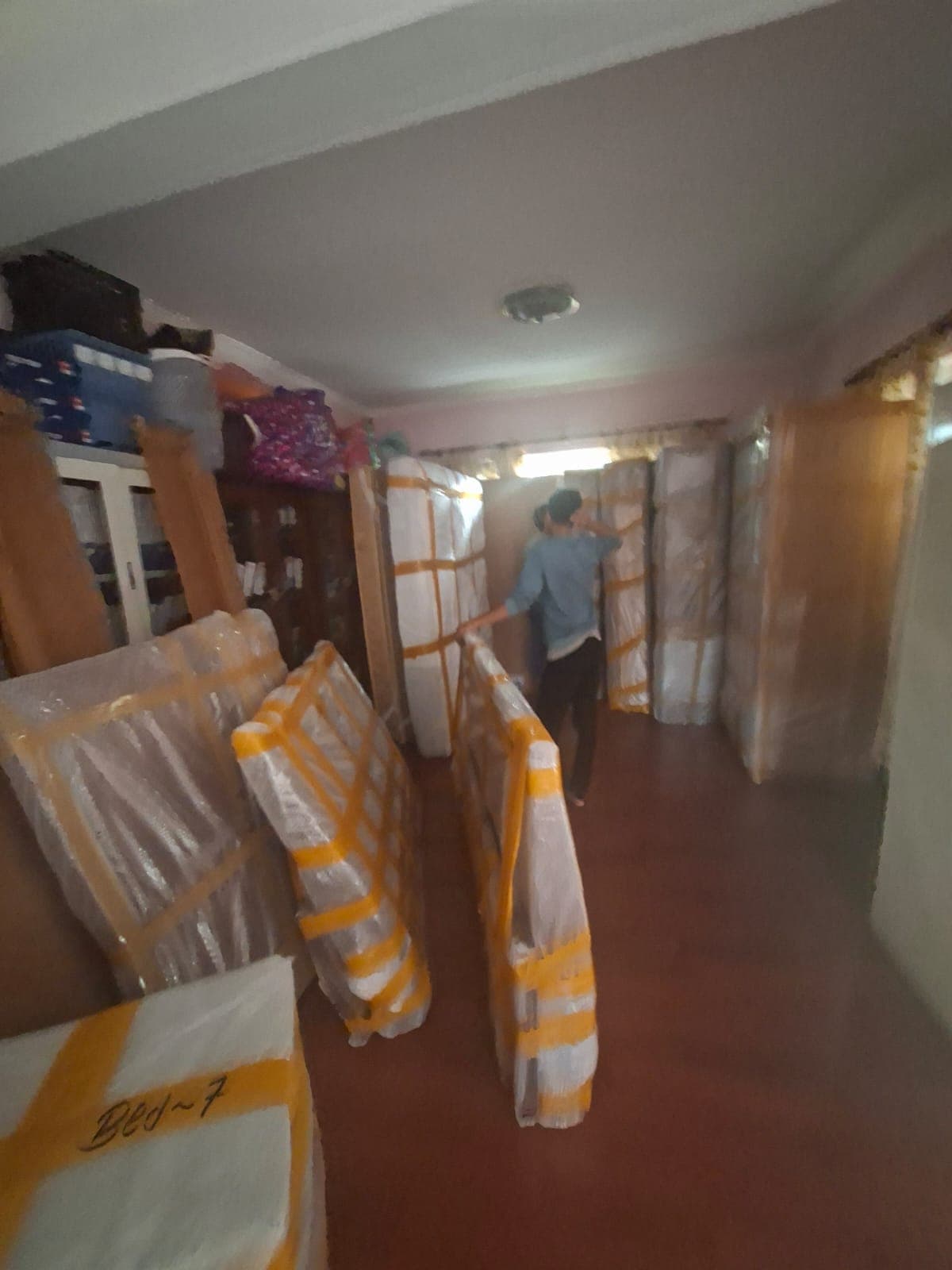
Not every move involves an entire household. Sometimes it's a single sofa bought secondhand that needs to get from a seller's home to yours. Sometimes it's a wardrobe being passed down to a family member across town. Sometimes it's new furniture from a shop that needs delivery, or a few large pieces being relocated to a second property. Furniture moving as its own service — separate from a full room, flat, or house shift — is a genuine, common need in Kathmandu, and it deserves its own approach rather than being treated as a scaled-down version of a full household move.
This guide covers how furniture moving service actually works in Nepal — what it includes, how different furniture types need to be handled, what genuinely affects cost, and how to choose a provider you can trust with pieces that are often expensive, sentimental, or both.
Nepal City Packers and Movers offers furniture-specific moving alongside its full range of relocation services, and this guide reflects the approach that applies whether you're moving one sofa or a dozen major pieces.
Furniture moving covers the transport and handling of specific furniture items — as opposed to a full household relocation, which involves packing an entire home's worth of belongings. This distinction matters because the service, planning, and pricing look genuinely different:
Single or few-item delivery, most commonly furniture just purchased from a shop, showroom, or secondhand seller, needing transport to your home.
Furniture-only relocation, moving specific pieces between two locations — gifting or transferring furniture to family, relocating pieces to a second home, or moving furniture out ahead of (or separate from) a broader household move.
Bulky/specialty item transport, covering larger pieces — wardrobes, sofas, dining sets, beds — that need careful disassembly, padding, and handling regardless of how many other items are involved.
Furniture disposal/donation transport, moving furniture you no longer want to a buyer, donation point, or disposal location — less commonly requested but a genuine related need.
| Situation | What You Need |
|---|---|
| Just bought a sofa from a shop | Single-item delivery |
| Received/bought a secondhand wardrobe | Pickup and delivery, often with disassembly |
| Moving a few pieces to a relative's home | Furniture-only relocation |
| Relocating furniture to a second property | Furniture-only relocation, possibly intercity |
| Getting rid of an old piece responsibly | Furniture disposal/donation transport |
Furniture presents specific handling challenges that differ from boxed household items, and understanding these helps explain why a dedicated furniture-moving approach matters:
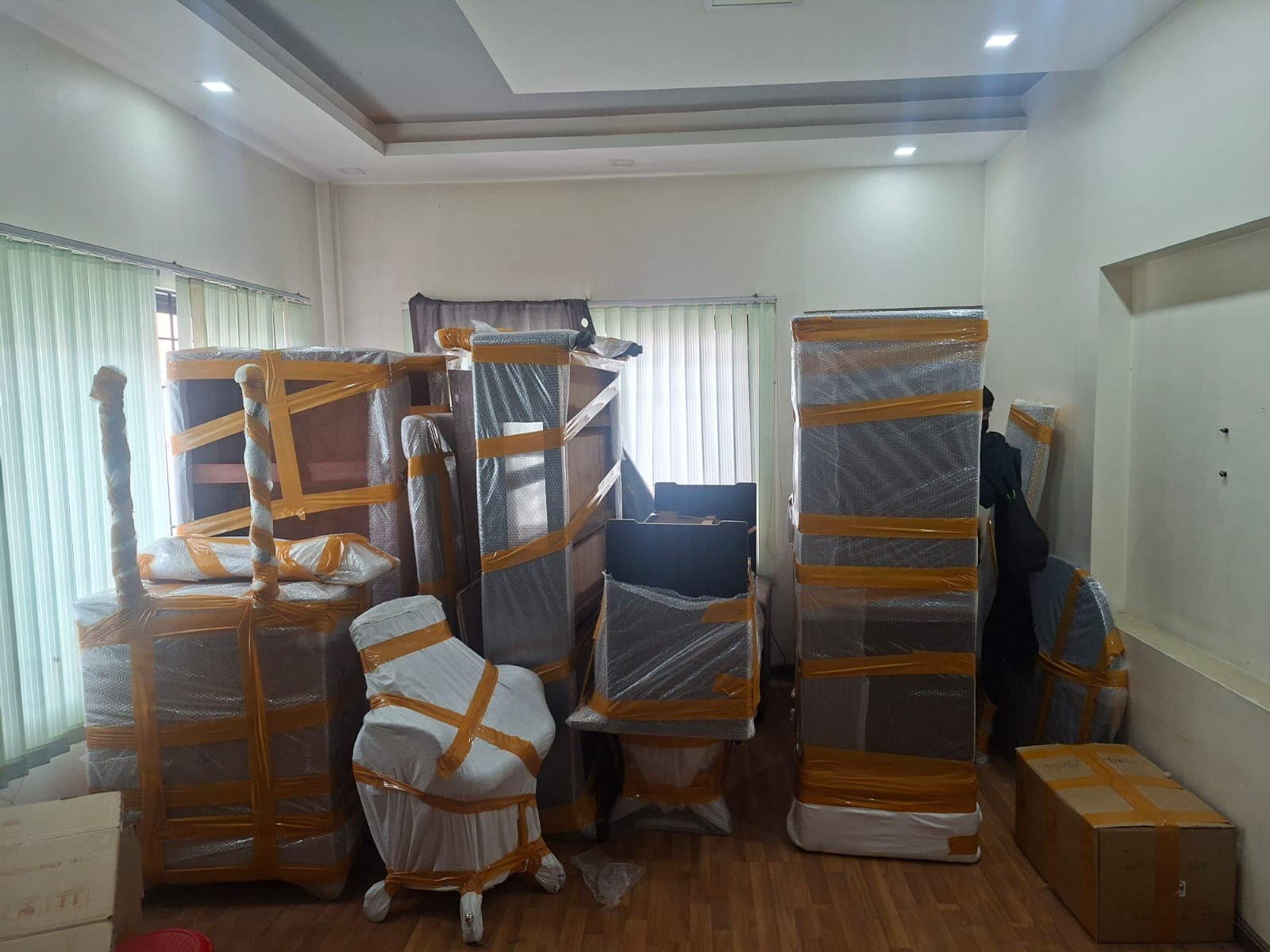
Bed frames should generally be disassembled for transport — headboards, footboards, and side rails separated where the frame's construction allows, both to reduce the risk of damage and to make the piece manageable through doorways and stairwells.
Mattresses should be transported in a mattress bag or cover where possible, protecting against dust, moisture, and surface damage during transit, and should always be transported upright rather than laid flat with weight on top, since a mattress can develop lasting indentations or damage under sustained pressure from other items.
Wardrobes are among the most commonly disassembled furniture pieces for transport, given their size and the doorway/stairwell constraints common in Kathmandu buildings. Doors are typically removed, shelves and drawers taken out and packed separately (loose items inside a wardrobe during transit can shift and cause internal damage), and the main frame padded and secured for the move.
Reassembly at the destination should follow the same careful approach, with all hardware (screws, brackets, shelf pins) kept together and clearly identified to avoid a frustrating hunt for missing pieces afterward.
Sofas need protection against both surface damage (scuffs, stains, tears to fabric or leather) and structural stress from being tilted, dragged, or awkwardly angled through tight spaces. Proper handling involves wrapping the piece in furniture blankets or moving pads, securing loose cushions separately (they can shift and cause fabric stress if left attached during a difficult carry), and — for sofas too large for a straightforward doorway — carefully planning the angle and orientation needed to navigate the space without forcing it or risking damage to either the furniture or the building.
Dining tables, particularly those with glass tops or delicate wood finishes, need dedicated protection for the tabletop surface specifically — padding and, for glass, careful upright transport rather than flat stacking, which risks cracking under pressure. Table legs are often removable on modern furniture and should be detached for transport where the design allows, both reducing bulk and protecting the legs from being knocked or bent during handling.
Chairs, while individually lighter, add up in volume and should be padded at contact points (arms, backs) if stacked or packed closely together to avoid scuff damage from rubbing against each other during transit.
Any furniture with a significant glass component — mirrored wardrobe doors, glass tabletops, display cabinet panels — deserves the same careful handling covered in detail for standalone mirrors: corner protection, generous padding, and transport on edge rather than flat, since a flat-lying glass surface is far more vulnerable to cracking under any weight placed on top of it.
Polished or lacquered wood furniture is vulnerable to scratches and finish damage from friction against other items or rough handling during carrying. Furniture blankets and moving pads specifically (rather than plastic wrap directly against the finish, which can sometimes cause condensation issues in humid conditions) are the standard protective approach, along with careful attention to corners and edges, which take the brunt of impact during navigation through doorways and stairwells.
A genuinely professional furniture moving service should handle disassembly and reassembly as standard for pieces that require it, rather than treating this as an unusual or extra request:
Before disassembly, hardware should be collected in labeled bags or containers (ideally taped directly to the furniture piece it belongs to, so nothing gets separated or lost during transport). Photographs of the assembled piece, particularly for anything with a non-obvious assembly sequence, help enormously with accurate reassembly at the destination.
During transport, disassembled pieces and their hardware should stay together, clearly identified, rather than being separated into different parts of the load where mismatched pieces could be lost or confused.
At reassembly, the piece should be rebuilt following the same structure it was disassembled from, with all original hardware used (mismatched or substitute hardware, even if similar-looking, can weaken the structural integrity of the reassembled piece over time).
| Disassembly Stage | Key Practice |
|---|---|
| Before | Photograph assembled structure; label and bag hardware |
| During transport | Keep disassembled parts and hardware together |
| At reassembly | Rebuild following original structure with original hardware |
Furniture moving vehicle needs follow the same general framework covered in earlier guides in this series, but with a furniture-specific emphasis on weight and bulk rather than pure volume:
A single furniture item or a couple of smaller pieces can often be handled with a mini truck and a small crew — the vehicle category commonly used for single-room moves is frequently sufficient for a single sofa or wardrobe delivery.
Several larger pieces or a mix of bulky items (a full living room set, for instance) typically need a pickup truck or medium truck, given the combined weight and awkward shapes involved, even if the total "volume" in terms of overall size isn't as large as a full flat's worth of belongings.
Crew size matters as much as vehicle size for furniture specifically — a heavy wardrobe or sofa genuinely requires two or more people to carry safely, particularly through stairwells or narrow doorways, regardless of whether the vehicle itself is small. A single-person crew attempting to carry large furniture alone, even with a suitably sized vehicle, is both a safety risk and a common cause of furniture damage from awkward, unsupported handling.
| Furniture Load | Typical Vehicle | Typical Crew Size |
|---|---|---|
| Single sofa or wardrobe | Mini truck | 2-3 people |
| A few large pieces (living room set) | Pickup or medium truck | 3-4 people |
| Multiple rooms' worth of furniture | Medium to large truck | 4+ people |
A significant share of furniture moving demand in Kathmandu comes not from relocation at all, but from delivery — getting newly purchased or secondhand furniture from a shop or seller's home to the buyer's home. This is worth its own dedicated attention since it's a distinct, common scenario.
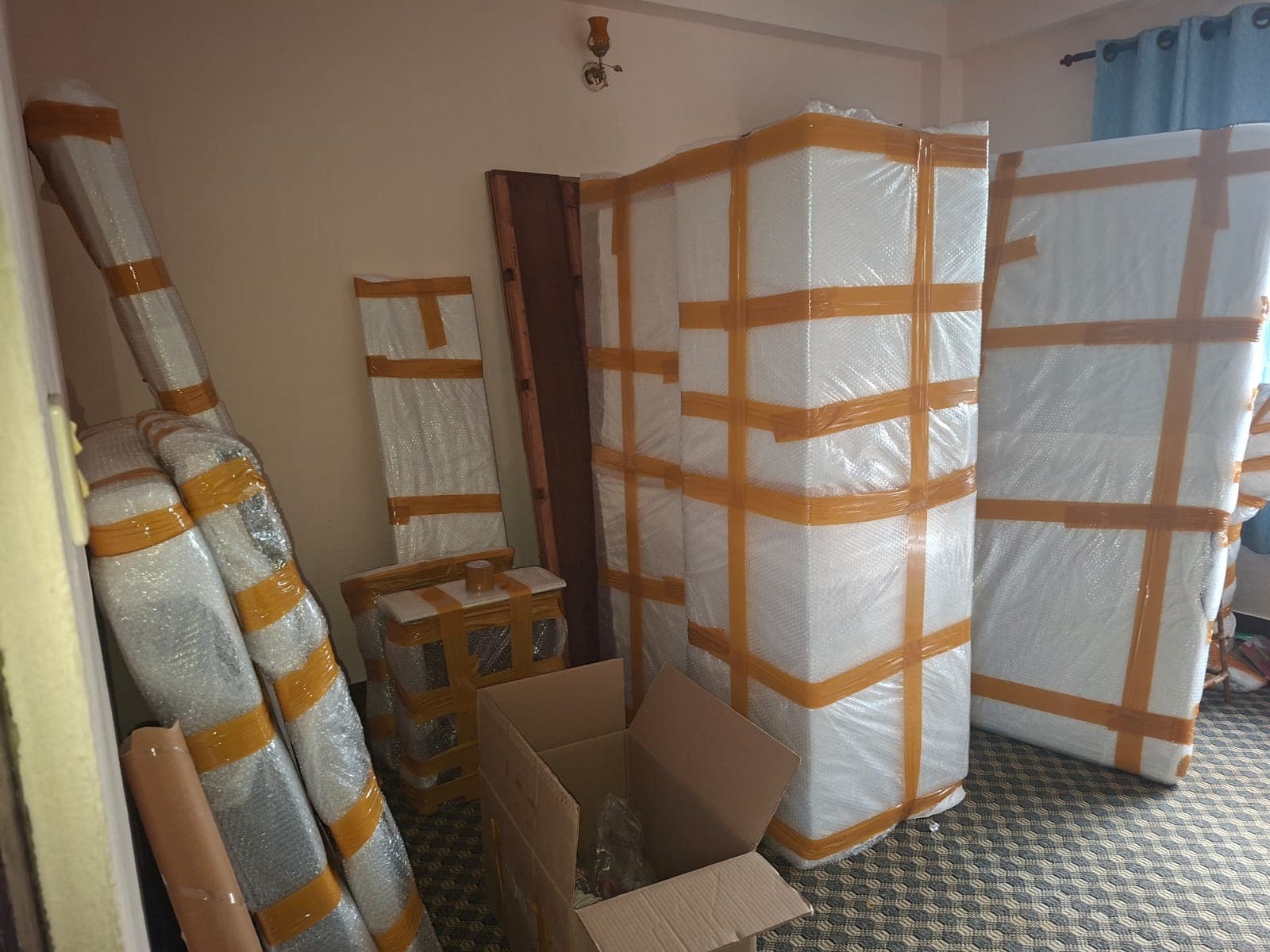
If you're moving furniture between cities — relocating pieces to a second home, or as part of a broader intercity move covered in more detail elsewhere in this series — a few furniture-specific considerations apply on top of the general intercity moving framework:
Furniture needs more robust padding and securing for a multi-hour journey than a short in-city trip, given the accumulated vibration and handling risk over a longer route like the roughly 6-to-8-hour Kathmandu-Pokhara corridor via the Prithvi Highway. Disassembly becomes even more valuable for intercity furniture transport, both to reduce the overall bulk being transported and to minimize the surface area exposed to potential damage during a longer journey.
And weather protection is essential if your route or timing overlaps with monsoon season (roughly June through September), since an open-bed vehicle exposes furniture to genuine rain damage risk over the extended hours of an intercity trip.
As with every service in this guide series, an honest cost framework beats a vague flat number:
| Factor | Why It Matters |
|---|---|
| Number and size of furniture pieces | Directly affects vehicle size, crew size, and labor time |
| Disassembly/reassembly complexity | Modular or complex furniture takes longer to break down and rebuild |
| Distance | Within-valley moves cost less than intercity furniture transport |
| Floor/lift access | No-lift, upper-floor locations require significantly more manual carrying effort |
| Access constraints | Narrow lanes or doorways may require extra care, disassembly, or a smaller final-stretch vehicle |
| Padding/protection needs | Delicate finishes, glass components, or upholstery needing extra protection add to material and labor cost |
| Pickup vs. delivery-only | A pickup-and-delivery job (secondhand purchase, for instance) may cost more than a straightforward single-location move |
For accurate pricing, describe your specific furniture pieces (type, approximate size, any known fragility like glass components or delicate finishes) along with floor access and distance — a mover quoting a flat rate without this detail is giving a rough estimate at best.
Given how much of this guide series has covered Kathmandu's specific access realities, it's worth applying that same lens directly to furniture handling:
Narrow lanes in older neighborhoods mean large furniture sometimes needs to be carried a genuine distance between the vehicle and the entrance, increasing both handling time and the number of opportunities for accidental impact against walls, doorframes, or other obstacles along the way — careful, unhurried handling matters more here than a quick, rushed carry.
No-lift, multi-story buildings — common throughout Kathmandu, including many independent houses and older apartment buildings — mean large furniture is carried by hand up or down multiple flights, a genuinely demanding task that benefits considerably from proper disassembly (reducing weight and bulk per carry) and an adequately sized crew rather than attempting it with too few people.
Tight doorways and stairwell turns, common in many buildings regardless of age, are where a large percentage of furniture damage actually happens — corners knocked, finishes scuffed, or in worst cases, pieces genuinely stuck partway through a doorway. Measuring access points in advance for any particularly large piece, and planning the disassembly or careful angling needed, prevents this specific and entirely avoidable failure mode.
A few concrete checks specific to furniture moving:
Ask directly about their disassembly and reassembly experience — not every general mover handles this equally well, and it's a genuinely important skill for anything beyond the simplest furniture pieces. Confirm what padding and protective materials they use — furniture blankets and proper wrapping should be standard, not an upcharge for basic protection.
Ask about their experience with your specific access conditions, particularly for narrow lanes or no-lift buildings, since furniture handling in these conditions requires more care and often more crew than a straightforward, easy-access move. Get a clear damage/liability policy specifically for furniture, given how much value (and sometimes sentimental weight) individual pieces can carry. And for delivery-specific needs (new or secondhand purchases), confirm they can handle pickup from the shop or seller's location directly, not just delivery from your own home.
Nepal City Packers and Movers handles furniture moving both as a standalone service — single-item delivery, secondhand pickup, furniture-only relocation — and as part of its full room, flat, house, and office shifting services, applying the same careful disassembly, padding, and handling principles regardless of whether it's one sofa or a full household's worth of furniture.
For a typical furniture delivery or relocation job — say, a wardrobe and a sofa moving between two homes within Kathmandu Valley — the crew arrives, assesses the piece and confirms disassembly needs directly with you, then carefully disassembles what's necessary (documenting hardware and taking reference photos where helpful), wraps and pads each piece appropriately for its material and vulnerability, and loads the vehicle with furniture positioned to avoid pressure on delicate surfaces.
Transport follows the same Kathmandu-specific considerations as any move — Ring Road traffic during peak hours, narrow-lane access at either end. At the destination, pieces are carried in with the same care, reassembled following their original structure, and positioned according to your instructions.
For a straightforward one-to-two-piece job, this entire process often completes within a couple of hours; larger furniture jobs involving multiple rooms' worth of pieces extend proportionally.
A practical list for anyone planning a furniture-specific move:
Does furniture moving service include disassembly and reassembly?
For most furniture pieces requiring it — beds, wardrobes, some sofas and dining tables — yes, this should be a standard part of a professional furniture moving service rather than an unusual request. Confirm this specifically with your mover when requesting a quote.
Can I get furniture delivered from a secondhand seller's home to mine?
Yes, furniture pickup-and-delivery for secondhand purchases is a common and genuine use case for furniture moving services, since individual sellers typically don't offer delivery the way a retail shop might.
How do movers protect sofas and upholstered furniture during transport?
Through furniture blankets or moving pads wrapped around the piece, with cushions and loose components secured or removed separately to prevent fabric stress or shifting during handling and transit.
What happens if my furniture doesn't fit through my doorway or up the stairwell?
This is exactly why measuring access points in advance matters — for pieces that don't fit as assembled, disassembly (where the furniture's construction allows) is the standard solution, which is why confirming your mover's disassembly experience before booking is important.
How is glass furniture, like a glass dining table, protected during a move?
Similarly to standalone mirrors — corner protection, generous padding, and upright transport rather than flat stacking, since a flat-lying glass surface is more vulnerable to cracking under weight from other items.
Does furniture moving cost more if it needs to be disassembled?
Generally, yes, since disassembly and reassembly add labor time — this should be reflected transparently in your quote rather than as an unexpected additional charge on moving day.
Can furniture be moved between cities in Nepal, like Kathmandu to Pokhara?
Yes, though intercity furniture transport benefits from more robust padding and securing given the longer journey — roughly 6 to 8 hours for a Kathmandu-Pokhara route via the Prithvi Highway — compared to a short in-city move.
What's the safest way to move a mattress?
Transported upright in a mattress bag or cover where possible, never laid flat with weight on top, since sustained pressure from other items can cause lasting indentation or damage.
Do I need a large vehicle to move just one or two furniture pieces?
Not necessarily — a single sofa or wardrobe can often be handled with a mini truck and a small crew, similar to the vehicle category commonly used for single-room moves. Vehicle size should match your actual furniture volume and weight, not a general assumption.
How can I avoid scratches or damage to my wood furniture during a move?
Proper padding with furniture blankets or moving pads (rather than plastic wrap directly against the finish), careful attention to corners and edges during handling, and an adequately sized crew to avoid rushed or unsupported carrying are the key protective steps.
What should I do with furniture I no longer want when moving?
Furniture disposal or donation transport is a related service some movers offer — worth asking about directly if you have pieces you want responsibly removed rather than simply left behind or discarded informally.
Does Nepal City Packers and Movers offer furniture moving as a standalone service, separate from a full household move?
Yes — Nepal City Packers and Movers handles furniture moving independently, whether that's a single-item delivery, secondhand pickup, or furniture-only relocation between homes, applying the same disassembly, padding, and handling care used across its full range of moving services.
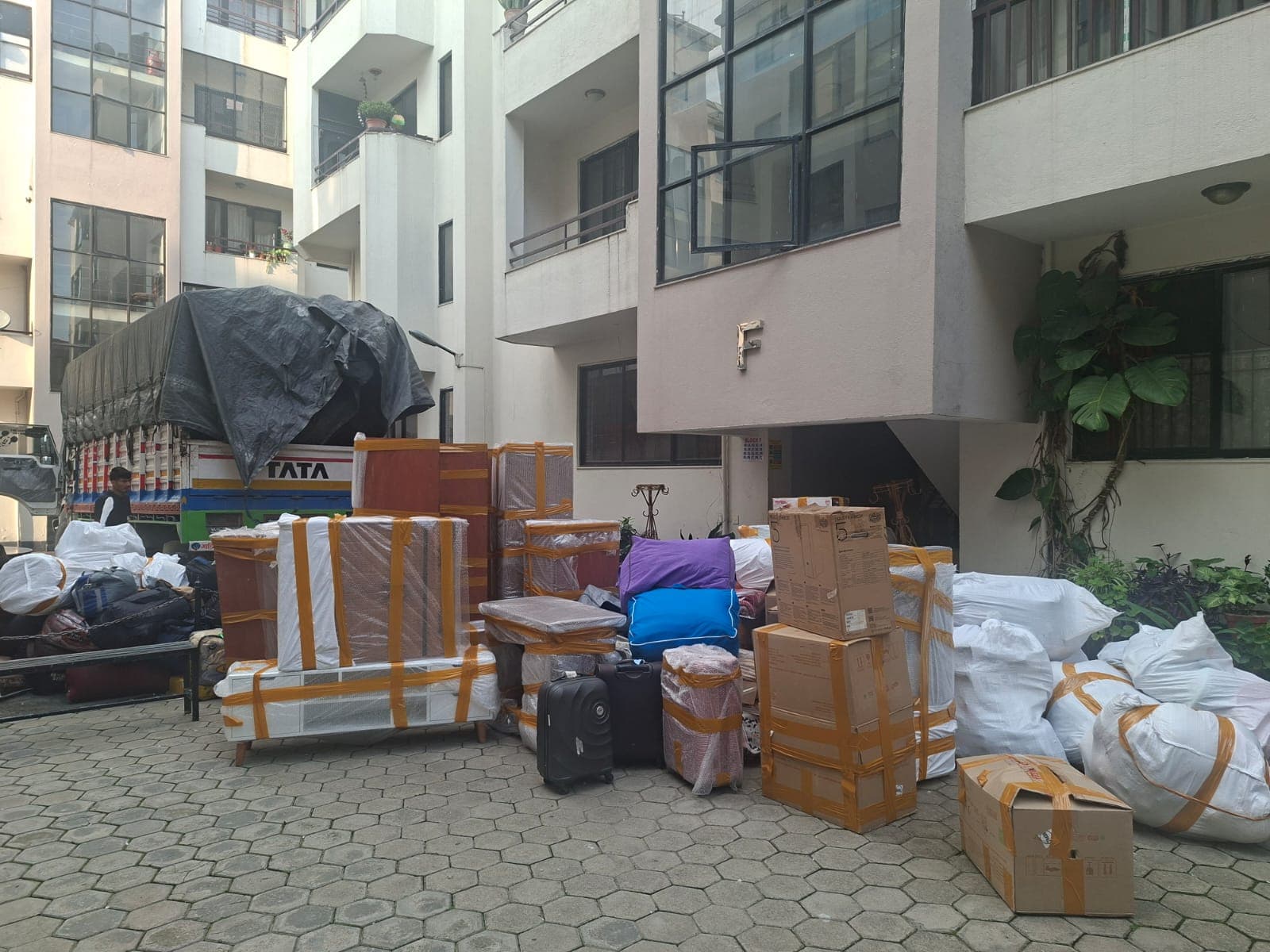
Whether it's a single sofa needing delivery, a wardrobe being passed to family across town, or a full set of furniture relocating to a new home, proper furniture moving comes down to the right disassembly technique, the right padding for each material, and a crew genuinely equipped to handle Kathmandu's specific access challenges. Share your furniture details with Nepal City Packers and Movers, and get handling built around what you're actually moving — from a single piece to an entire room's worth.

Nepal City Packers and Movers
Share:
Explore Our Range of Moving & Logistics Services

Experience fast and reliable domestic and international courier services with Nepal City Packers and Movers. Secure delivery for all your packages, locally and globally!

Explore additional services by Nepal City Packers and Movers, including loading, unloading, parking assistance, and more. Tailored solutions for all your needs!

Explore reliable two-wheeler transport services by Nepal City Packers and Movers. Safe, secure, and timely bike transportation locally or across Nepal. Contact us today!
 Nepal City Packers and Movers - Banepa, Kavre
 Top Packers and Movers - Bouddha, Kathmandu
 Professional Packers and Movers - Balaju, Kathmandu
 Reliable and Affordable Packers and Movers - Baluwatar, Kathmandu
 Top-Rated Packers and Movers - Maharajgunj, Kathmandu
 Leading Packing and Moving Service | Nepal City Packers and Movers - Durbarmarga, Kathmandu
 Nepal city packers and movers - Lalitpur, Nepal
 Nepal City Packers and Movers - Thimi, Bhaktapur
 Reliable Packers and Movers - Kupandole, Lalitpur
 Affordable and Reliable Packers and Movers - kalanki, Kathmandu