
Loading…
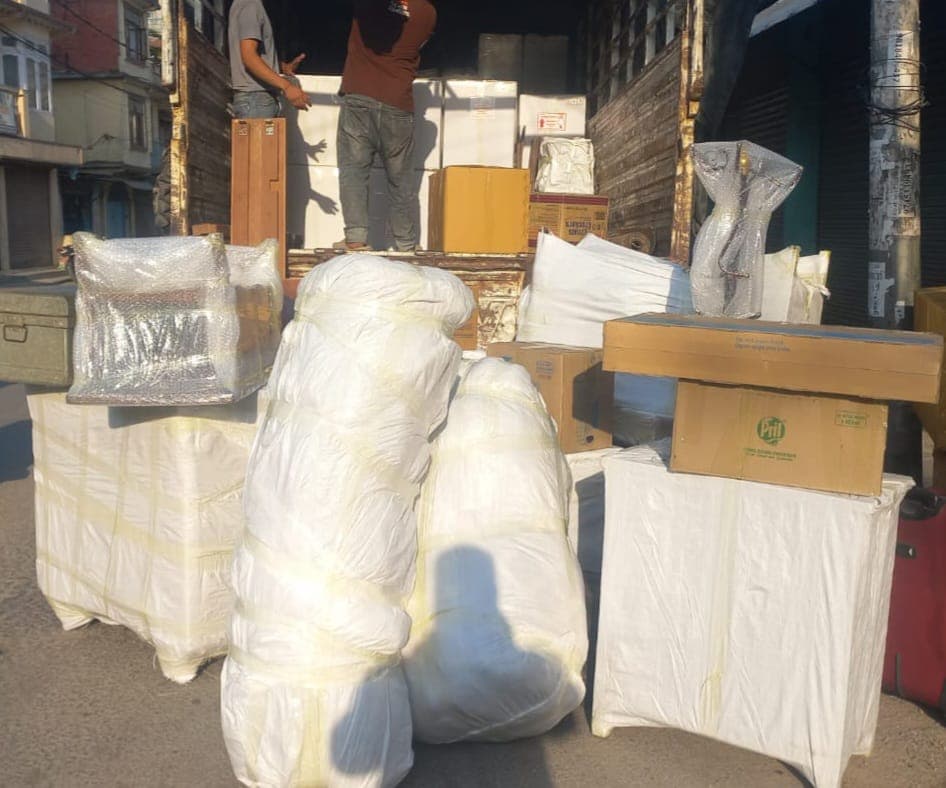
Moving a household is rarely just "packing boxes and calling a truck." Done well, it's a sequence — a series of decisions and actions that build on each other, starting weeks before moving day and continuing for days after it.
Done poorly, it's a scramble: boxes packed at midnight, a truck that's too small, appliances that weren't prepared properly, and a new home that takes weeks longer to feel settled than it should have.
This guide walks through the entire household moving process step by step, from the moment you decide to move through the point where your new home actually feels like home.
It's written for anyone relocating a household in Nepal — a family shifting within Kathmandu Valley, a household moving to another city, or anyone somewhere in between — and it reflects how Nepal City Packers and Movers approaches a household relocation from start to finish.
Every household move starts with a date, but the date itself deserves more thought than it usually gets.
Work backward from your actual deadline — a lease ending, a new home becoming available, a job start date — and give yourself real planning room. For a full household move within Kathmandu Valley, 2 to 4 weeks of lead time is a reasonable target; for an intercity move, add extra time for route planning and potential weather-related buffers.
Be aware of Nepal's festival calendar when setting your date. Dashain and Tihar — typically falling in the September-October window, with exact dates shifting each year according to the Nepali lunar calendar — bring by far the highest demand for movers across Kathmandu, both for household and business relocations. If your move falls anywhere near this period, book considerably earlier than you otherwise would, since availability tightens and prices often reflect the demand spike.
If your move falls during monsoon season (roughly June through September), build in extra buffer time regardless of destination — rain affects both the practicalities of loading/unloading exposed items and, for any intercity component, road conditions on routes prone to landslides in hill sections.
| Planning Consideration | Recommendation |
|---|---|
| Standard in-valley household move | 2-4 weeks lead time |
| Intercity household move | 3-4+ weeks lead time |
| Move falling near Dashain/Tihar | Book 4-6+ weeks ahead if possible |
| Move during monsoon season (June-Sept) | Add buffer time for weather/road delays |
Before any packing begins, walk through your entire home and decide, room by room, what's coming with you. This step is genuinely worth doing deliberately rather than skipping straight to boxes, for two reasons: it reduces what you're paying to move, and it means you're not unpacking clutter into your new home.
Go through storage areas first — attics, store rooms, basements, and anywhere items accumulate over years without regular review. These spaces are almost always where the most "do I actually need this" decisions live. Sort belongings into clear categories: moving with you, donating, selling, or discarding.
Be honest about items you haven't used in over a year — genuinely, if you haven't needed it in that long, it's a candidate for the "donate or discard" pile rather than an automatic "moving" decision. This step also gives you an early, realistic sense of your total volume, which matters directly for Step 4 (getting an accurate quote).
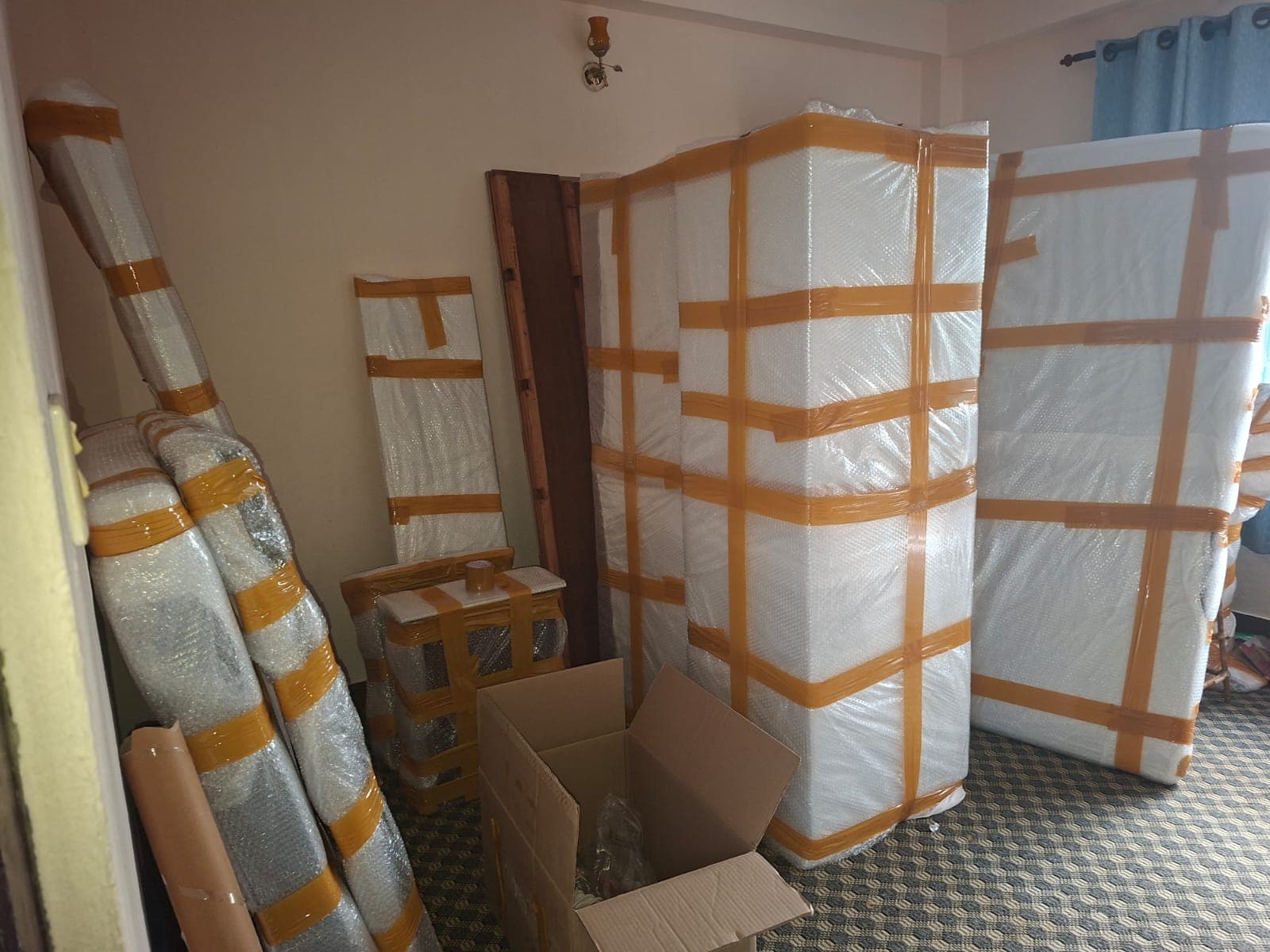
Not every household move is the same, and recognizing which category yours falls into shapes almost everything that follows — vehicle size, crew size, timeline, and cost.
| Move Type | Typical Volume | Typical Duration |
|---|---|---|
| Room/single space | Bed, desk, small wardrobe, boxes | A few hours |
| Flat/apartment (studio to 2-3BHK) | Full room set, kitchen, living area | Half day to full day |
| Full independent house | Multiple bedrooms, full kitchen, sometimes outdoor items | Full day, sometimes more |
| Intercity household move | Varies, but full transport logistics apply | Full day plus multi-hour transit, sometimes overnight |
If you're moving a full house rather than a flat, expect a genuinely bigger undertaking — more rooms to pack, potentially outdoor or garden items, and appliances (refrigerator, washing machine) that need specific preparation before transport, covered in Step 6.
This is one of the most important steps in the entire process, and it's the one most commonly rushed or skipped.
Share real details, not vague estimates. A mover needs to know your approximate volume, floor level and lift access at both your current and new home, the distance between them, and any access challenges — narrow lanes, no parking near the entrance, a building with restricted moving hours. The more accurate this information, the more accurate your quote will be.
Insist on a proper assessment for anything beyond a small room move. For a full house, an in-person site visit (or at minimum a very thorough conversation with photos) is genuinely worth the extra step — it's the difference between an accurate quote and a number that changes on moving day.
Get the quote in writing. Even a written WhatsApp confirmation is better than a verbal number, since it gives you something to refer back to if there's any confusion later.
Ask about what's included. Confirm whether packing materials, furniture disassembly/reassembly, and unloading/placement are part of the quoted price, or whether any of these are separate add-ons — this is where "cheap" quotes sometimes hide costs that surface later.
Nepal City Packers and Movers builds every household quote around this kind of real, upfront assessment — understanding your actual volume and access conditions before giving a number, rather than guessing over the phone and adjusting later.
Once you know your volume, decide what kind of service actually fits your situation and budget.
This step is specific to full household moves and is one of the most commonly overlooked parts of the process — done wrong, it can mean real damage to expensive appliances.
For a full household, packing everything at once is overwhelming and inefficient. A systematic, room-by-room approach — starting roughly 2 weeks before moving day for a full house — works much better.
Start with what you don't need daily. Guest rooms, storage areas, seasonal items (extra blankets, out-of-season clothing), books not currently being read, and decor pieces are all safe to pack early.
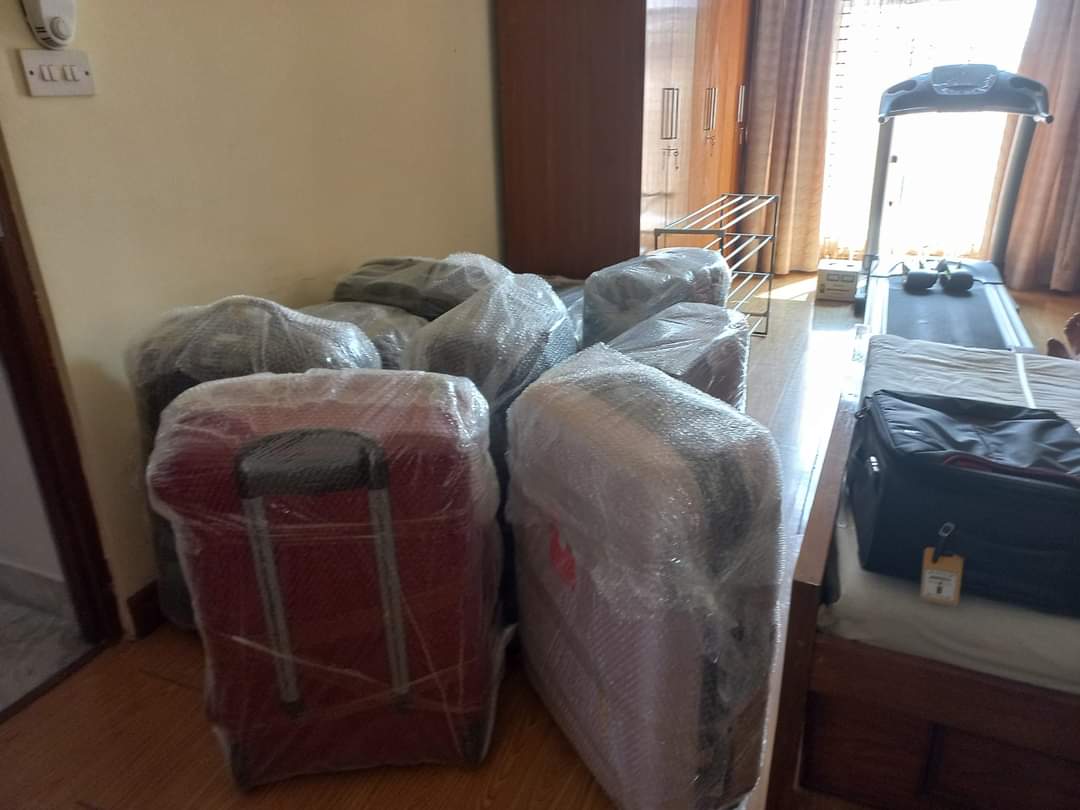
Move to secondary living spaces. Dining rooms, living room decor (keeping essential furniture usable until closer to the date), and any home office items not needed for daily work.
Pack the kitchen close to moving day, since it's used constantly — but start early with rarely used items (special-occasion dishware, appliances you don't use weekly, bulk pantry storage) and leave daily-use items for the final one to two days.
Leave a clearly separated "essentials" box — a change of clothes, toiletries, phone chargers, basic kitchen items, and any medications — packed last and kept easily accessible, so your first night in the new home doesn't require digging through a wall of boxes.
| Packing Phase | Timing Before Move | What to Pack |
|---|---|---|
| Phase 1 | ~2 weeks before | Storage areas, guest rooms, seasonal items, books, decor |
| Phase 2 | ~1 week before | Secondary living spaces, non-essential home office items |
| Phase 3 | Final 2-3 days | Kitchen (except daily essentials), remaining bedrooms |
| Phase 4 | Moving day morning | Essentials box, remaining daily-use items |
This step deserves its own dedicated attention, since it's where the majority of moving damage actually happens if rushed.
Use proper materials — bubble wrap and padding for glassware, mirrors, and artwork; sturdy, appropriately sized boxes for books and heavy items (over-large boxes packed too heavy are more likely to fail); and blankets or padding for furniture edges and surfaces. Label fragile boxes clearly on multiple sides, not just the top, so they're recognized no matter how they're being carried or stacked.
Keep genuinely valuable or sentimental items — jewelry, important documents, family heirlooms — separate from the general moving load and transport them personally rather than in the moving vehicle. And for antique or particularly delicate furniture, mention this specifically to your mover in advance, since it may warrant extra padding or custom handling beyond standard blanket-wrapping.
If you're renting, a few administrative steps run parallel to your physical packing timeline and are easy to forget amid the packing itself:
Give proper notice to your landlord according to your rental agreement's notice period — commonly around 30 days in Nepal, though this varies by individual agreement, so check your specific rent agreement (भाडा सम्झौता) rather than assuming.
Document your current home's condition with photos before you leave, to protect your security deposit against any later disputes about damage or cleanliness. Settle any pending utility bills before handing back keys.
And if you're moving into a managed apartment complex or housing society, check their specific move-in rules in advance — many require advance lift booking, have restricted moving hours, and sometimes ask for a separate refundable deposit against damage to shared areas like lobbies and stairwells.
A few days before moving day, confirm the practical access details at both your current and new home — this is a simple step that prevents real delays and confusion on the day itself.
Confirm parking and loading access at both locations — is there space for the moving vehicle to park close to the entrance, or will items need to be carried a distance? Check lift availability and any booking requirements at either location, particularly relevant for apartment buildings and complexes.
If either location is in an older neighborhood with narrow lanes, flag this to your mover so they can plan for a smaller final-stretch vehicle if needed. And confirm the exact arrival time and address details with your mover 24-48 hours ahead, especially important if your new home is somewhere your mover hasn't been to before.
For a well-planned household move, moving day generally follows this sequence:
Arrival and walkthrough. The crew arrives at the agreed time and does a quick walkthrough with you to confirm what's being moved and flag any special-handling items you haven't already discussed.
Final packing (if any remains). Any last essential items are packed, ideally a small amount given the phased packing approach from Step 7.
Furniture disassembly. Beds, wardrobes, and larger furniture pieces are broken down where necessary for safe transport and easier maneuvering through doorways and staircases.
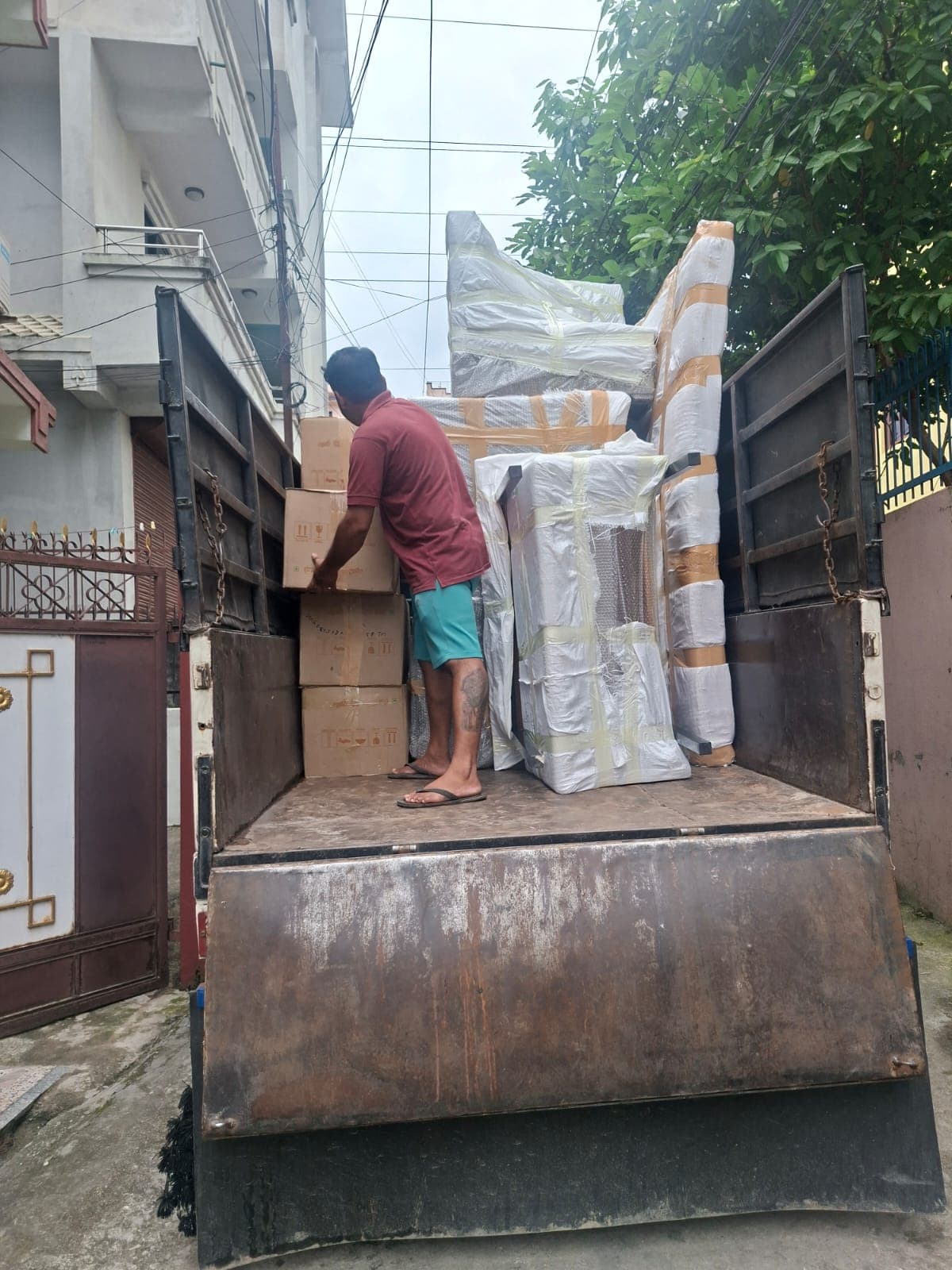
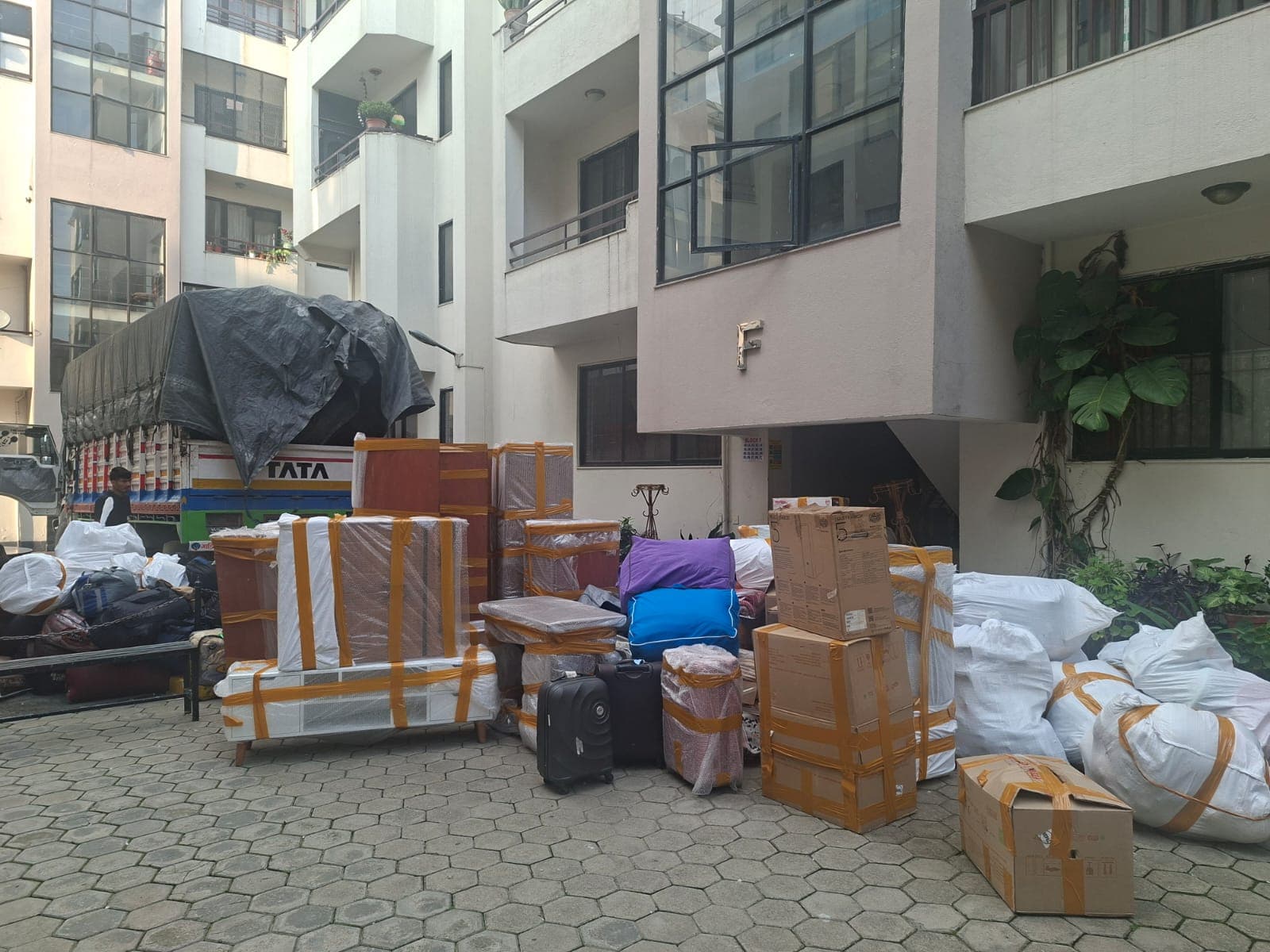
Loading. Items are loaded methodically — heavier furniture positioned first, boxes stacked efficiently with fragile items protected and positioned where they won't be crushed, and the full load secured for transit.
Transport. The vehicle travels to your new home — timing depends on distance and, within Kathmandu Valley, traffic patterns around areas like Ring Road during peak hours.
Unloading and placement. At the new home, items are carried in and placed according to your instructions — ideally following a rough floor plan you've already thought through, so furniture placement doesn't need to be redone later.
For a typical household move within Kathmandu Valley, this entire sequence — for a flat — usually wraps up within a day; for a full house, expect the process to take a full day, sometimes extending further depending on volume and access conditions.
What you do in the first hours after arrival meaningfully affects how quickly your new home starts feeling functional.
Set up your bed first, even before fully unpacking anything else — having a made bed ready for the end of a long moving day makes an enormous practical and psychological difference. Unpack your essentials box next, so basic toiletries, a change of clothes, and phone chargers are immediately accessible.
Confirm your utilities are actually working — power, water, and internet — and address any issues immediately rather than discovering them at an inconvenient moment later.
And do a walkthrough of your old home one final time (or have someone do it if you've already left) to confirm nothing was left behind in drawers, closets, or storage areas.
The physical move is often the easier half; genuinely settling in takes longer, and that's normal.
Unpack room by room rather than trying to do everything at once — kitchen and bedroom first, since these affect daily comfort most immediately, then work through the rest at a manageable pace. Reconnect appliances properly — if your gas connection needs a technician, this should already be arranged from Step 6; confirm your refrigerator has been given time to stabilize before fully loading it with food.
Update your address where it matters — this includes anything tied to your previous location that you'd want redirected or updated, handled at your own pace rather than all at once. And give yourself genuine time — most people underestimate how long it takes for a new home to feel fully settled, and a few weeks of adjustment is completely normal for a full household relocation.
If your household move crosses cities rather than staying within Kathmandu Valley, a few of the steps above need real adjustment:
Step 4 (assessment) matters even more. A truck traveling a multi-hour route can't easily make a second trip the way an in-valley move sometimes can, so an accurate volume assessment before booking is critical.
Step 6 (appliance prep) deserves extra attention. Given the longer transit time, appliances and fragile items need more robust preparation and padding than a short in-valley trip would require.
Step 11 (moving day) extends across a longer timeline. Depending on your route — for example, roughly 6-8 hours by road for a Kathmandu-Pokhara move via the Prithvi Highway — your "moving day" may genuinely span a full day of loading, transit, and unloading, or in some cases require an overnight stop for longer routes.
Weather and road conditions become a real planning factor, particularly for moves scheduled during monsoon season (roughly June through September), when landslides in hill sections can affect timing on routes connecting Kathmandu Valley to other parts of the country.
If pets are part of your household move, a few extra steps are worth building into your plan:
Keep pets in a calm, familiar space (ideally away from the main packing and loading activity) on moving day itself, since the noise and disruption can be stressful for animals. Transport pets separately from the moving vehicle where possible, in a secure carrier with proper ventilation.
And set up a small, familiar area for your pet as one of the very first things you do at the new home — their bed, food and water bowls, and a few familiar items — so they have a stable space while the rest of the house is still in transition.
Bringing together the cost drivers relevant across this entire process:
| Factor | Impact on Cost |
|---|---|
| Total volume of belongings | Primary driver of vehicle size and labor hours needed |
| Number of rooms/floors | More rooms and multi-story layouts increase packing time and labor |
| Floor/lift access | No-lift buildings require significantly more manual carrying |
| Distance (in-valley vs intercity) | Longer distances increase transport time and cost |
| Packing complexity | Fragile items, electronics, and appliances needing careful handling add to labor and material cost |
| Timing | Festival season and short-notice bookings typically cost more |
| Service tier | Full-service costs more than labor-and-transport-only |
| Number of trips required | Additional trips (from an undersized vehicle) add meaningfully to cost |
An accurate quote always requires these specifics — any provider offering a firm number without understanding your actual volume and access conditions is either guessing or planning to adjust the price later.
Bringing every step together into one master checklist:
How far in advance should I start planning a household move?
For a standard household move within Kathmandu Valley, 2 to 4 weeks is a reasonable planning window. Intercity moves and moves falling near Dashain or Tihar benefit from even more lead time, given tighter availability during festival season.
What's the very first thing I should do when planning a move?
Confirm your realistic timeline and moving date, then go through your home to decide what's actually moving. Doing this sorting step before packing begins reduces both what you're paying to move and how much clutter you unpack into your new home.
Should I pack everything myself, or hire full-service packing?
This depends on your time, budget, and how much fragile or valuable material you have. Full-service (crew packs everything) is more complete but costs more; labor-and-transport-only (you pack, they carry and transport) is more affordable and still removes the physically demanding parts of the move.
How do I prepare my refrigerator and washing machine for a move?
Refrigerators should be defrosted and thoroughly dried at least a day before the move to avoid water damage. Washing machines need their water lines drained and drums secured. Gas connections should always be handled by a qualified technician, not the moving crew.
What should go in my "essentials" box?
A change of clothes, basic toiletries, phone chargers, any needed medications, and a few basic kitchen items — packed last and kept easily accessible so you're not searching through every box on your first night in the new home.
How long does a full household move actually take?
For a household move within Kathmandu Valley, the physical move typically takes a full day for a house, or half a day to a full day for a flat. Intercity moves take considerably longer, factoring in multi-hour road transit and potentially an overnight stop for longer routes.
What's the best order to pack rooms in?
Start with storage areas, guest rooms, and seasonal items about two weeks before moving day. Move to secondary living spaces about a week ahead. Pack the kitchen last, except for daily essentials, and finish with a dedicated essentials box packed on moving day itself.
How do I protect fragile items like glassware and electronics during the move?
Use proper padding and bubble wrap, pack fragile items in appropriately sized boxes (not overloaded), label boxes clearly on multiple sides, and consider carrying particularly valuable or sentimental items personally rather than in the moving vehicle.
What administrative tasks should I handle alongside the physical move?
If renting, give proper notice according to your rental agreement, document your old home's condition for deposit purposes, and settle any pending utility bills. Separately, start utility transfers (electricity, water, internet) with enough lead time to avoid a gap in service at your new home.
How should I move with pets?
Keep pets calm and away from the main packing and loading activity on moving day, transport them separately in a secure, ventilated carrier where possible, and set up a familiar space for them — bed, food, water — as one of the first things you do at the new home.
What if my belongings don't fit in the vehicle I booked?
This is why an accurate volume assessment before booking matters so much — discuss your full inventory honestly with your mover during the quote stage. If it does happen, ask in advance whether a second trip is included in your quote or charged separately, so there are no surprises on moving day.
How does Nepal City Packers and Movers support each step of this process?
Nepal City Packers and Movers works with households through the full sequence covered in this guide — an upfront assessment and written quote, vehicle and service-level matched to your actual volume, proper packing materials and furniture handling, and careful placement at your new home — for moves within Kathmandu Valley and intercity relocations across Nepal alike.
A household move goes smoothly when it's treated as a sequence, not a single event — a realistic timeline, an honest inventory, the right vehicle and service level, and careful attention at each stage from the first box packed to the first night settled into your new home.
Wherever you are in that sequence, Nepal City Packers and Movers can step in — from an initial assessment and quote through to the final box unpacked in your new home.

Nepal City Packers and Movers
Share:
Explore Our Range of Moving & Logistics Services

Experience fast and reliable domestic and international courier services with Nepal City Packers and Movers. Secure delivery for all your packages, locally and globally!

Explore additional services by Nepal City Packers and Movers, including loading, unloading, parking assistance, and more. Tailored solutions for all your needs!

Explore reliable two-wheeler transport services by Nepal City Packers and Movers. Safe, secure, and timely bike transportation locally or across Nepal. Contact us today!
 Nepal City Packers and Movers - Banepa, Kavre
 Top Packers and Movers - Bouddha, Kathmandu
 Professional Packers and Movers - Balaju, Kathmandu
 Reliable and Affordable Packers and Movers - Baluwatar, Kathmandu
 Top-Rated Packers and Movers - Maharajgunj, Kathmandu
 Leading Packing and Moving Service | Nepal City Packers and Movers - Durbarmarga, Kathmandu
 Nepal city packers and movers - Lalitpur, Nepal
 Nepal City Packers and Movers - Thimi, Bhaktapur
 Reliable Packers and Movers - Kupandole, Lalitpur
 Affordable and Reliable Packers and Movers - kalanki, Kathmandu