
Loading…

"How much will this cost?" is almost always the first question anyone asks when planning an office move — and it's also the question that's hardest to answer honestly with a single number. Office shifting costs in Nepal aren't standardized; they depend on a genuine combination of factors specific to your business — how much you're moving, how far, what kind of equipment is involved, and how quickly you need it done.
Any company willing to give you a firm number without knowing these details is either guessing or planning to adjust the bill once they see the actual job.
This guide breaks down exactly what determines office shifting cost in Nepal — the real cost drivers, how they interact, what different scales of office move typically involve, and genuine ways to reduce cost without cutting corners on the things that actually matter (like IT equipment safety and business continuity).
By the end, you should be able to look at your own office and have a realistic sense of where your move falls on the cost spectrum, even without a single universal price tag to reference.
Unlike, say, a fixed-route bus fare, office shifting pricing is inherently variable because every office is different in ways that directly affect the labor, time, and materials required. Two businesses each moving "an office" can have wildly different actual costs — a 5-person startup with a few laptops and desks costs a fraction of what a 50-person company with a server room and dozens of workstations costs, even though both would describe themselves as "moving an office."
This is why the honest answer to "how much does office shifting cost" is always: it depends on your specific situation, assessed properly, not looked up on a generic price list. What follows is the actual framework used to arrive at that assessment.
This is the single biggest factor in almost every moving quote, office included. More workstations, more furniture, more equipment means more labor hours to pack, load, transport, and unload, and often a larger vehicle to accommodate it all.
A small office with a handful of desks and basic furniture requires meaningfully less labor and vehicle capacity than a larger office with dozens of workstations, meeting room furniture, filing cabinets, and shared equipment like printers and photocopiers.
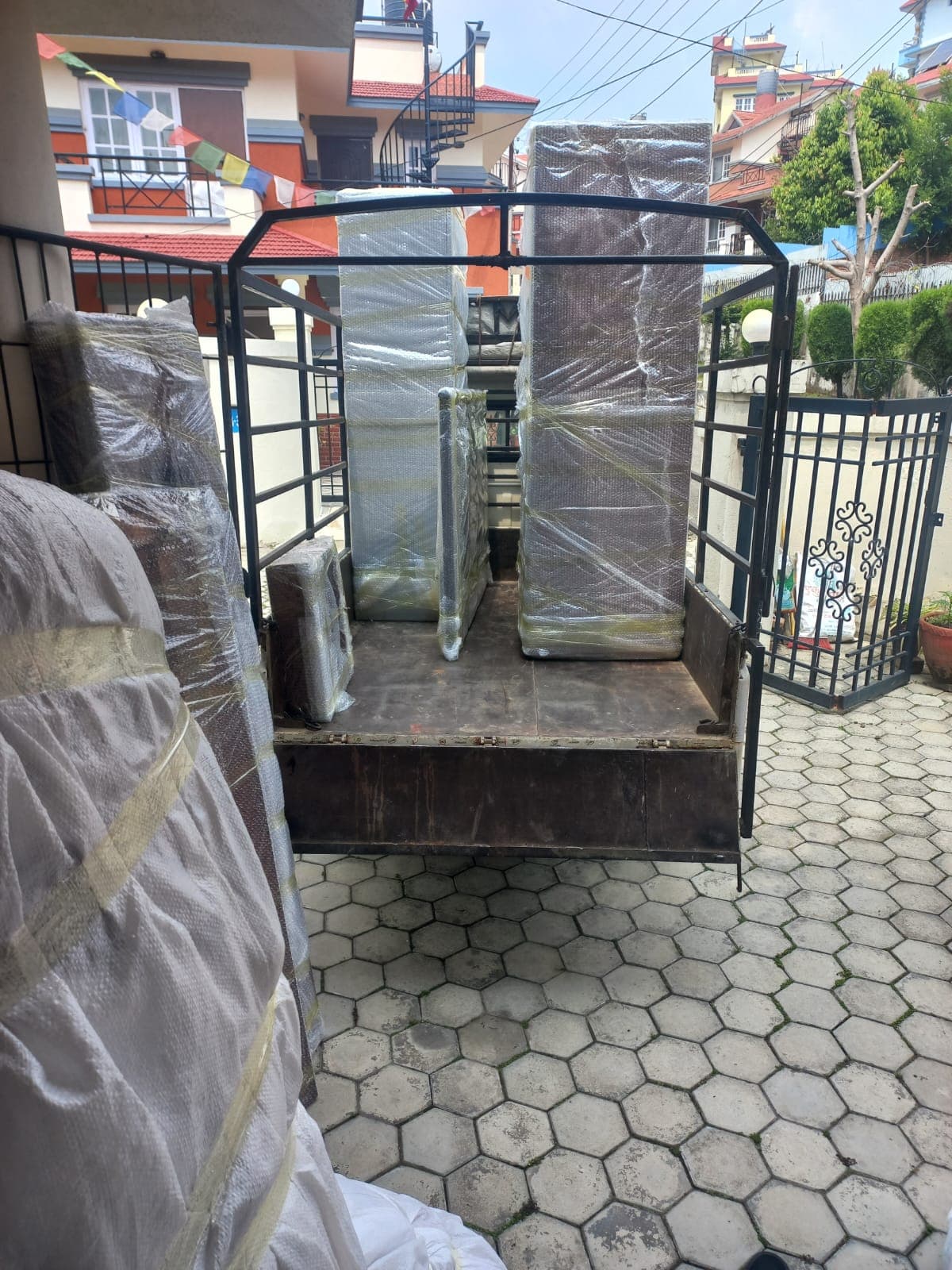
Office moves differ from home moves specifically because of the IT equipment factor, and this genuinely affects cost. Computers, monitors, networking equipment, and especially servers require anti-static packing materials, careful handling, and more time per item than general furniture — all of which adds to labor cost.
An office with extensive server infrastructure or specialized technical equipment will cost meaningfully more to move safely than one with just standard desktop computers.
Straightforward but worth stating clearly: longer distances mean more transport time, more fuel, and — for intercity relocations — potentially an entirely different cost structure involving overnight logistics, covered in more detail in the long-distance moving guide elsewhere in this series.
Offices located on upper floors without a working lift require considerably more manual labor to move furniture and equipment up or down, which translates directly into more time and higher labor cost. This is a genuine, significant cost factor in Kathmandu specifically, given how many buildings — including some commercial ones — lack functioning lifts.
Modular office furniture, built-in workstations, and partition systems generally take longer to disassemble and reassemble than standard freestanding furniture, adding to labor time and therefore cost.
Weekend or after-hours moves — the preferred approach for minimizing business downtime — may carry a scheduling premium compared to a standard weekday move, since it often means the moving crew is working outside typical hours.
Similarly, moves during Nepal's festival season (Dashain and Tihar particularly) face higher demand across the entire moving industry, which can affect both price and availability.
Full-service (complete packing, IT handling, furniture disassembly/reassembly, and placement according to a floor plan) costs more than a more limited labor-and-transport-only arrangement, though for office moves specifically, full-service is generally recommended given the sensitivity and value of business equipment involved.
Document archiving support, short-term storage, disposal of old furniture not moving to the new location, and post-move IT reconnection support are all potential add-ons that affect the total cost beyond the core moving service.
| Cost Driver | Relative Impact on Total Cost |
|---|---|
| Volume of furniture/equipment | High — the primary baseline driver |
| IT/electronics sensitivity and volume | High — specialized handling adds real labor time |
| Floor/lift access | Moderate to high, especially in no-lift buildings |
| Distance | Moderate — larger factor for intercity moves specifically |
| Furniture complexity | Moderate |
| Timing (weekend/festival season) | Moderate — scheduling premium possible |
| Service tier | Moderate to high depending on chosen scope |
| Additional services | Variable — adds incrementally per service selected |
Since exact figures vary too much by provider and specific circumstances to state reliably, here's a relative comparison — showing how cost scales across typical office sizes, using relative terms rather than fixed prices:
| Office Size | Typical Contents | Relative Cost Tier | Typical Duration |
|---|---|---|---|
| Very small (1-5 staff) | A handful of desks, computers, minimal shared equipment | Lowest | Half day |
| Small (5-15 staff) | Multiple workstations, basic shared equipment, small meeting area | Low-moderate | Full day |
| Medium (15-40 staff) | Full workstation set, meeting rooms, server/networking setup, shared equipment | Moderate-high | Full day, possibly extending into a second day for IT setup |
| Large (40+ staff) | Extensive workstations, significant IT infrastructure, multiple departments/floors | Highest | Multiple days, often phased |
This tiering reflects the practical reality that cost scales primarily with volume and equipment complexity, not simply the number of employees — a 10-person design studio with substantial specialized equipment could genuinely cost more to move than a 20-person office with minimal equipment beyond standard laptops.
Since accurate pricing depends entirely on real details, here's what to have ready when requesting a quote, so you get a genuinely useful number rather than a rough guess:
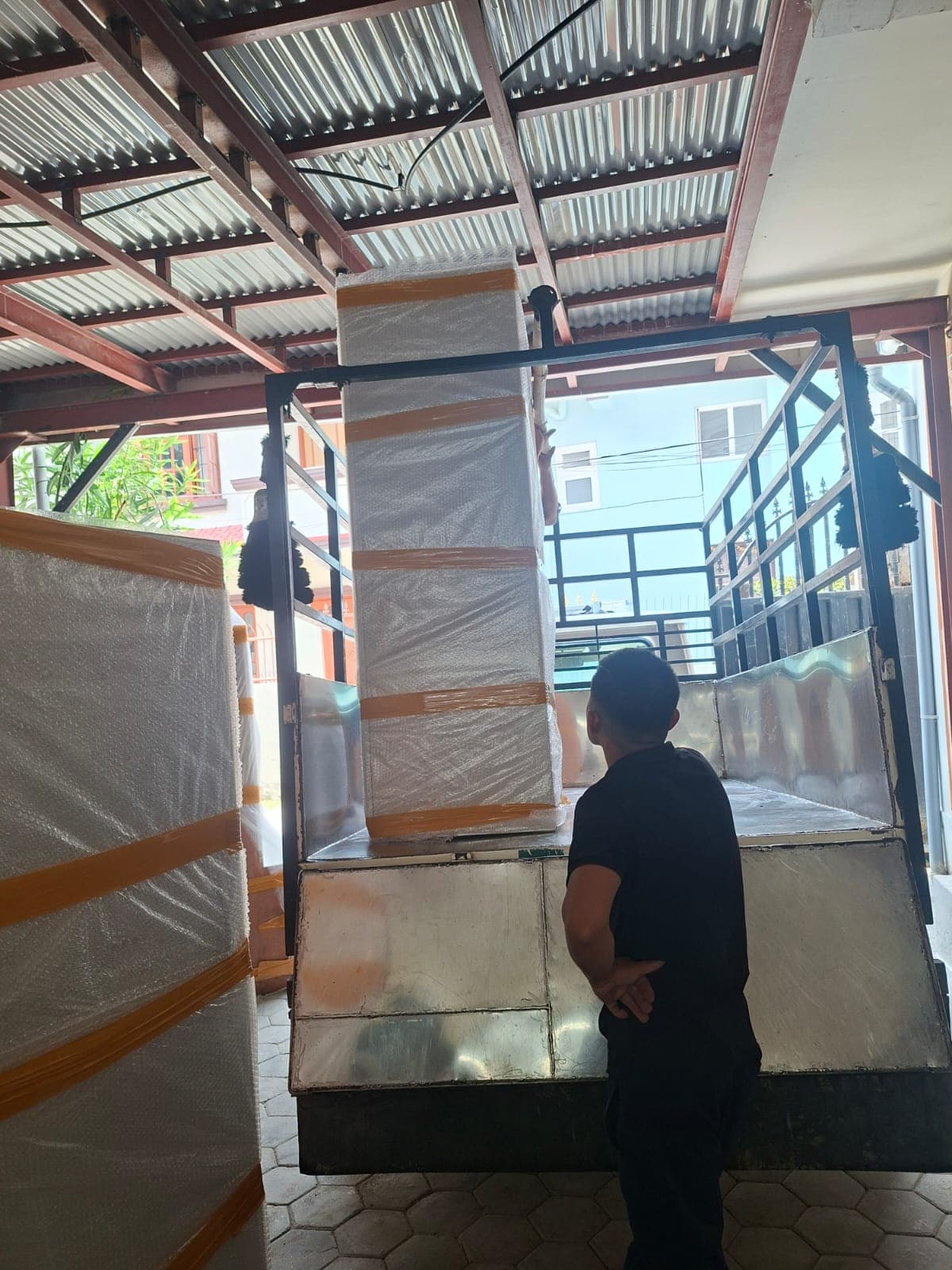
An approximate count of workstations, desks, and major furniture pieces. A description of your IT setup — number of computers, whether you have server infrastructure, networking equipment, and any specialized technical equipment. Floor level and lift access at both your current and new office.
The distance between the two locations. Your preferred timing — weekday, weekend, or after-hours — and whether you need a single-day move or a phased approach. Any specialized equipment beyond standard office furniture and computers (printing equipment, lab or medical equipment, machinery). And whether you need additional services like document archiving, temporary storage, or old furniture disposal.
With this information, a mover can give you a genuinely accurate quote rather than a placeholder number that's likely to change once they see the actual job — which is exactly the approach Nepal City Packers and Movers takes, conducting a proper site survey before quoting any office relocation rather than pricing blind over the phone.
Understanding what you're actually paying for helps evaluate whether a quote is reasonable, and helps identify where genuine cost-saving opportunities exist versus where cutting corners would be a mistake.
Labor. The crew's time — packing, disassembly, loading, transport, unloading, reassembly, and placement. This typically scales with both volume and complexity, and is usually the largest single component of an office moving cost.
Vehicle. Sized to your volume, and priced based on vehicle category and distance traveled. An oversized vehicle for your actual load means paying for unused capacity; an undersized one risks needing a second trip, which usually costs more overall than getting the sizing right the first time.
Packing materials. Boxes, bubble wrap, anti-static materials for electronics, and furniture padding. This scales with the volume and sensitivity of what's being moved — an office with substantial IT equipment naturally requires more of the specialized (and typically more expensive) anti-static materials.
Specialized handling time. IT equipment, particularly servers and networking infrastructure, requires more careful, time-intensive handling than general furniture — cable labeling, anti-static wrapping, careful positioning during transport — which adds labor time specifically attributable to this category.
Scheduling premium (if applicable). Weekend or after-hours scheduling, chosen specifically to minimize business downtime, may carry an additional cost compared to a standard weekday move, reflecting the crew's work outside typical hours.
Additional services. Document archiving support, temporary storage, disposal of furniture not moving to the new location, and post-move reconnection support for IT systems are typically priced as add-ons beyond the core moving service.
| Line Item | What Drives Its Cost |
|---|---|
| Labor | Volume, complexity, floor/lift access |
| Vehicle | Load size, distance |
| Packing materials | Volume and sensitivity of items, especially IT equipment |
| Specialized IT handling | Amount and value of electronics/server infrastructure |
| Scheduling premium | Weekend/after-hours preference |
| Additional services | Whichever specific add-ons you select |
A few real, practical strategies for managing cost without compromising on the things that actually protect your business — data, equipment, and continuity.
Declutter before you move, not after. Furniture, equipment, and files you no longer need shouldn't be paid to transport. A pre-move audit — deciding what's genuinely moving to the new office versus being disposed of, donated, or sold — directly reduces your total volume and therefore your moving cost.
Get multiple quotes based on the same detailed information. Since accurate pricing depends on the details you provide, giving the same thorough information to two or three providers lets you compare genuinely equivalent quotes rather than comparing numbers based on different assumptions about your actual job.
Consider whether full-service packing is necessary for every category of item. While IT equipment and anything fragile genuinely benefits from professional packing, some businesses choose to have staff pack their own personal desk items and non-sensitive general office supplies in advance, reducing the packing labor a mover needs to bill for.
Weigh weekday vs. weekend scheduling honestly. If your business genuinely can tolerate a weekday move with some disruption, this may avoid any weekend scheduling premium — though this needs to be weighed against the real cost of business downtime, which for many businesses outweighs the scheduling premium itself.
Plan timing outside festival season where possible. Since demand for movers spikes significantly during Dashain and Tihar, scheduling your move outside this window, if your business has that flexibility, avoids the pricing and availability pressure that comes with peak demand.
Don't cut corners on IT equipment handling to save cost. This is the one area where cost-cutting genuinely risks costing far more than it saves — damage to servers or critical business equipment, or extended downtime from improper handling, almost always costs a business more in lost productivity and replacement/repair than the modest savings from using cheaper, non-specialized packing.
Get an accurate quote upfront rather than an inaccurate low one. A quote that seems unusually low compared to others, especially one given without a proper site assessment, is a red flag for hidden costs that will surface later — the cheapest number upfront isn't necessarily the cheapest actual outcome.
This deserves its own dedicated section, because it's genuinely the largest cost factor in many office moves — and the one least likely to appear on any moving company's invoice.
Every hour your team can't work — because IT infrastructure isn't ready, because workstations aren't set up, because confusion on moving day eats into productive time — has a real cost in lost output, missed client interactions, and delayed work. For many businesses, this cost, spread across an entire team, meaningfully exceeds the direct cost of the moving service itself.
This is exactly why investing in the factors that minimize downtime — proper IT sequencing (infrastructure ready before staff arrival), weekend/after-hours scheduling despite any premium, and a floor plan agreed upon in advance — is usually cost-effective even when it adds to the direct moving invoice, because it reduces the much larger, harder-to-see cost of lost productivity.
| Approach | Direct Moving Cost | Downtime Risk |
|---|---|---|
| Cheapest quote, no site survey, weekday move, no IT sequencing plan | Lower | Higher — real risk of extended, costly disruption |
| Properly assessed quote, weekend scheduling, IT infrastructure set up before staff arrival | Moderate to higher | Lower — team productive faster |
The businesses that end up spending the most on an office move are often not the ones who chose a higher-quality service upfront — they're the ones who chose the cheapest option and then absorbed extended downtime costs that dwarfed any upfront savings.
Since office relocations sometimes involve moving to a different city entirely — a business relocating from Kathmandu to Pokhara, for instance — it's worth understanding how the cost structure shifts for this scenario, building on the broader long-distance moving guidance covered elsewhere in this series.
Distance-based costs increase substantially. Fuel, driver time, and total trip duration all scale with distance, and for genuinely long routes, this can be one of the largest single cost differences compared to an in-valley move.
Vehicle sizing becomes more critical. As covered in the long-distance moving guide, a vehicle traveling a multi-hour route can't easily return for a second load, so accurate volume assessment matters even more for intercity office moves than for local ones, where an undersized vehicle is a costlier mistake.
IT continuity planning becomes more complex and potentially more costly. Setting up infrastructure at a genuinely new city location, potentially with a new internet service provider and different network setup requirements, can add both cost and lead time compared to a same-city relocation.
Overnight logistics may factor in for longer routes. For particularly long intercity distances, driver accommodation and extended trip timing add to the overall cost structure.
Since cost is such a central concern, it's worth being direct about the specific ways an unusually low quote can end up costing more than expected:
A quote given without a proper site survey is likely based on incomplete information and will often be revised upward once the crew sees the actual job. A quote that doesn't specify anti-static handling for electronics may be using standard, cheaper materials for sensitive equipment, increasing damage risk that could cost far more to fix than was saved on packing materials. A quote without a clear damage/liability policy leaves you exposed if something valuable is damaged during the move, with no clear recourse.
And a quote that doesn't account for floor/lift access or furniture disassembly complexity may not reflect the actual labor your specific office requires, leading to either a rushed, inadequate job or additional charges once the reality becomes clear.

Rather than trying to pin down a single number, here's a more useful way to approach budgeting for an office move:
Get a proper quote based on a genuine site assessment, as covered throughout this guide — this is your baseline direct moving cost. Add a contingency — even a modest percentage on top of the quoted figure — to account for the unexpected costs that commonly arise even in well-planned moves (additional furniture needs, unplanned IT setup requirements). Factor in any rent overlap between your old and new locations if your moving timeline creates one.
Weigh downtime cost explicitly, even if it's a rough estimate — this helps you make an honest cost-benefit decision about scheduling choices (weekend premium vs. weekday downtime) and service tier (full-service vs. cutting corners on IT handling). And budget for post-move needs — any new furniture or equipment specific to the new space, and remaining address/registration update costs if applicable.
How much does office shifting cost in Nepal?
There's no single fixed rate, since cost depends on your office's volume, IT equipment complexity, floor/lift access, distance, and chosen service tier. An accurate figure requires a proper site assessment rather than a generic estimate — providers offering a fixed number without seeing your office are typically guessing.
What's the biggest factor affecting office shifting cost?
Volume of furniture and equipment is usually the primary baseline driver, but for offices with substantial IT infrastructure, the amount and sensitivity of that equipment often becomes an equally significant cost factor given the specialized handling required.
Is it more expensive to move an office on a weekend?
Often yes, since weekend and after-hours scheduling — chosen specifically to minimize business downtime — typically carries a scheduling premium compared to a standard weekday move. This should be weighed against the real cost of weekday business disruption, which for many businesses outweighs the premium.
Does having servers and IT equipment increase moving cost?
Yes, meaningfully. Servers and networking equipment require anti-static packing materials, careful cable labeling, and more time-intensive handling than general office furniture, all of which adds to the total labor and materials cost.
How can I get an accurate office moving quote?
Provide detailed information — approximate furniture and workstation count, IT equipment details, floor/lift access at both locations, distance, and your preferred timing — and ideally arrange an in-person site survey rather than a phone estimate, since office moves vary too much for a generic quote to be reliable.
Is it cheaper to move during the week instead of a weekend?
Potentially, in terms of the direct moving invoice, since weekend scheduling may carry a premium. But weekday moves typically mean more direct business disruption, and the cost of that downtime often outweighs any scheduling savings — this is worth evaluating honestly for your specific business rather than assuming weekday is automatically cheaper overall.
Does festival season affect office shifting cost?
Yes, demand for movers — both residential and business — rises significantly during Dashain and Tihar, which can affect both pricing and availability. Scheduling your move outside this window, if your business has the flexibility, avoids this demand-driven pressure.
What's included in a typical office shifting quote?
This varies by provider, so it's important to confirm directly — but a proper full-service quote typically includes packing materials (including anti-static materials for electronics), furniture disassembly and reassembly, transport, and placement according to your floor plan. Confirm what's included versus what might be a separate add-on before comparing quotes.
Can I reduce cost by packing some items myself?
Yes, some businesses choose to have staff pack personal desk items and non-sensitive general supplies themselves, reducing the packing labor a mover bills for — while still leaving IT equipment and anything fragile to professional handling, where the expertise genuinely matters most.
Is choosing the cheapest quote a good way to save money on an office move?
Not necessarily. An unusually low quote, especially one given without a proper site survey, often misses real costs that surface later — inadequate IT handling, unaccounted-for floor access challenges, or a scope that doesn't match what your office actually needs. Comparing quotes based on equivalent, detailed information is a more reliable way to find genuine value.
How much does an intercity office move cost compared to a local one?
Does Nepal City Packers and Movers provide a fixed price list for office moves, or is every quote custom? Every office is different enough in volume, IT complexity, and access conditions that Nepal City Packers and Movers provides a written quote based on an actual site assessment rather than a fixed price list — this ensures the quote genuinely reflects your specific office rather than an average that might not match your actual situation.
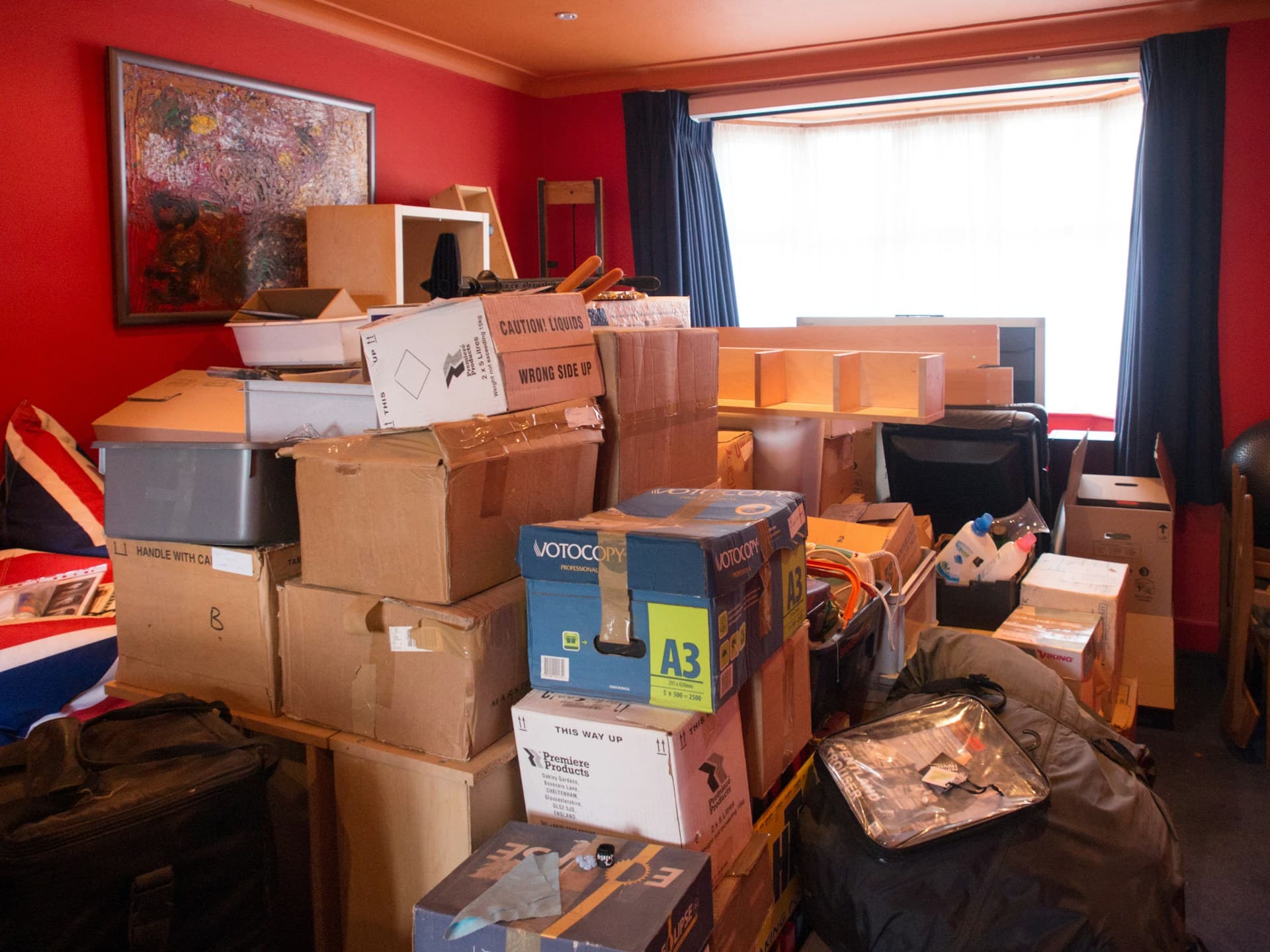
The real cost of an office move isn't just the number on the moving company's invoice — it's that number plus whatever downtime, damage, or disruption results from cutting corners in the wrong places. Get a proper site assessment, understand exactly what's driving your specific quote, and weigh direct cost against the real cost of business disruption.
Share your office's details with Nepal City Packers and Movers, and get a quote built around what your specific move actually requires — not a generic number that changes once the crew shows up.

Nepal City Packers and Movers
Share:
Explore Our Range of Moving & Logistics Services

Experience fast and reliable domestic and international courier services with Nepal City Packers and Movers. Secure delivery for all your packages, locally and globally!

Explore additional services by Nepal City Packers and Movers, including loading, unloading, parking assistance, and more. Tailored solutions for all your needs!

Explore reliable two-wheeler transport services by Nepal City Packers and Movers. Safe, secure, and timely bike transportation locally or across Nepal. Contact us today!
 Nepal City Packers and Movers - Banepa, Kavre
 Top Packers and Movers - Bouddha, Kathmandu
 Professional Packers and Movers - Balaju, Kathmandu
 Reliable and Affordable Packers and Movers - Baluwatar, Kathmandu
 Top-Rated Packers and Movers - Maharajgunj, Kathmandu
 Leading Packing and Moving Service | Nepal City Packers and Movers - Durbarmarga, Kathmandu
 Nepal city packers and movers - Lalitpur, Nepal
 Nepal City Packers and Movers - Thimi, Bhaktapur
 Reliable Packers and Movers - Kupandole, Lalitpur
 Affordable and Reliable Packers and Movers - kalanki, Kathmandu