
Loading…
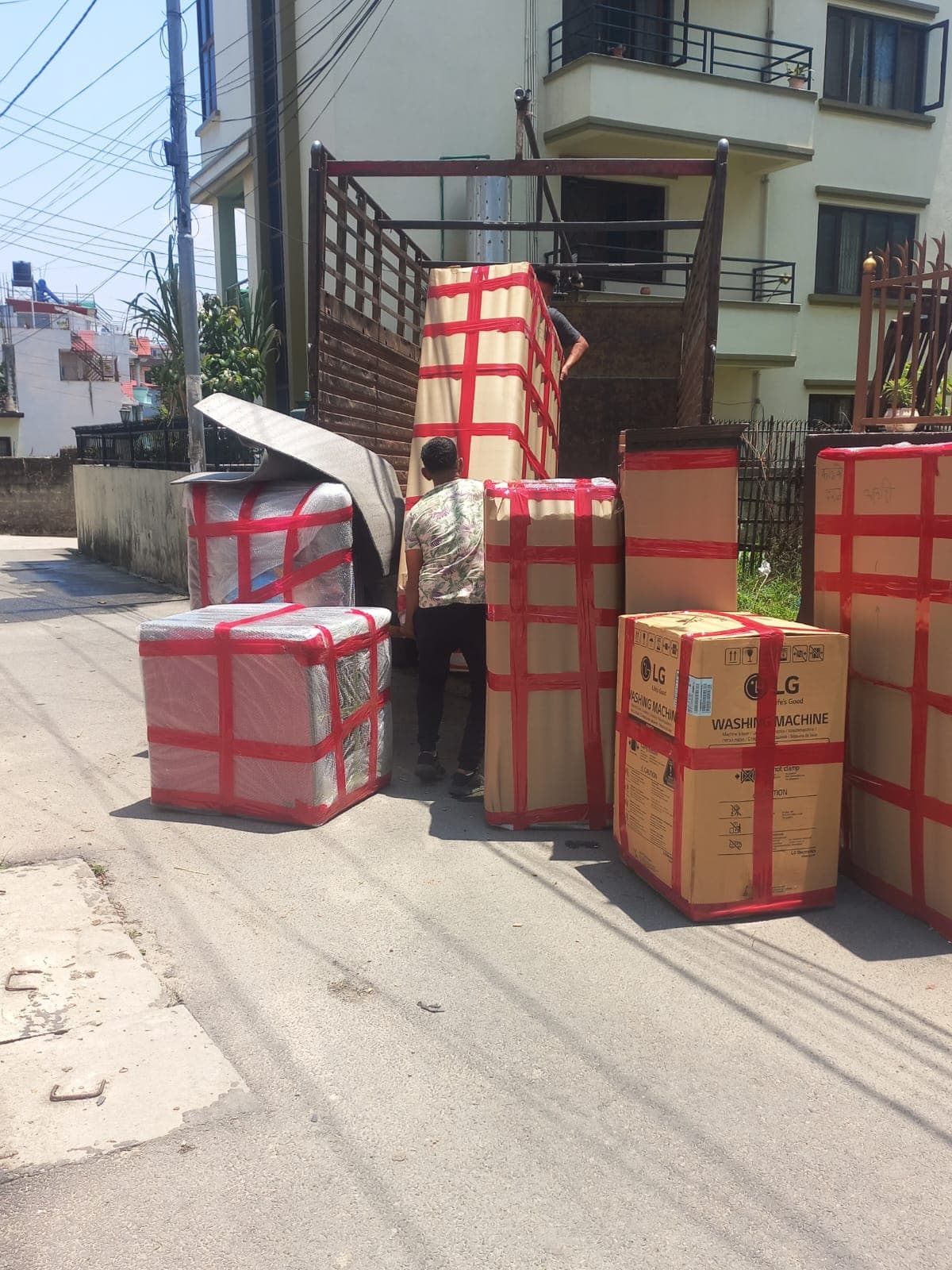
Of everything that goes wrong during a move, damaged fragile items are the most common — and often the most upsetting, since it's rarely the cheap, replaceable things that break. It's the wedding china, the mirror that's been in the family for years, the lamp you found on a trip you'll never quite recreate.
The good news is that fragile-item damage during a move is almost always preventable with the right materials and technique — it's rarely bad luck, and almost always a packing shortcut that seemed fine at the time.
This guide walks through exactly how to pack fragile items safely, item by item, material by material, so nothing you actually care about ends up in pieces on the other side of your move.
Whether you're packing everything yourself or handing the job to a professional crew like Nepal City Packers and Movers, understanding what proper fragile-item packing actually involves helps you either do it right yourself or know what to check for if someone else is doing it for you.
Before getting into technique, it helps to understand the real mechanisms of damage, since the right packing approach addresses each of these directly:
Impact — a box dropped, knocked, or set down too hard. This is the most obvious risk and the one people plan for first, but it's often not the biggest actual cause of damage.
Compression — weight from stacked boxes or items crushing something underneath that wasn't padded to bear that pressure. This is an extremely common, under-appreciated cause of breakage, especially for anything packed near the bottom of a stack.
Vibration and friction — the accumulated effect of hours of road travel, where items that aren't fully immobilized inside their box or packing material shift, rub, and knock against each other repeatedly, even without any single hard impact.
Shifting during loading/transport — items that move around inside a vehicle because they weren't properly secured, sometimes toppling or being crushed by other items that slide during transit, particularly on longer routes or roads with sharp turns and braking.
Temperature and moisture exposure — less commonly discussed, but relevant for items sensitive to humidity or heat (some electronics, certain wood finishes, wax-based or delicate materials), particularly during monsoon-season moves.
Good fragile - item packing addresses all five of these — not just "wrap it in something soft," which mainly guards against impact but does little for compression or vibration over a longer journey.
Before packing anything, gather the right materials — using the wrong ones (or skipping them to save money) is where most preventable damage starts.
| Material | Best Used For |
|---|---|
| Bubble wrap | Glassware, ceramics, electronics, anything with a delicate surface |
| Packing paper (plain newsprint, not printed) | Wrapping dishes, filling gaps, cushioning between items |
| Sturdy corrugated boxes, appropriately sized | All packed items — never oversized for the contents |
| Dish-pack/cell boxes (with dividers) | Glasses, stemware, bottles — anything that needs individual separation |
| Packing tape (proper box tape, not household tape) | Sealing boxes securely on all seams |
| Furniture blankets/moving pads | Furniture surfaces, large mirrors, glass tabletops |
| Corner protectors | Picture frames, mirrors, glass tabletops |
| Packing peanuts or crumpled paper | Filling empty space at the bottom and sides of boxes |
| Stretch wrap/plastic film | Securing drawers, doors, and loose parts on furniture |
| Original packaging (if available) | Electronics, appliances — nothing protects as well as the box it came in |
A quick but important note: printed newspaper should be avoided for wrapping directly against light-colored or porous surfaces, since the ink can transfer and stain. Plain, unprinted packing paper is the safer choice for anything you don't want marked.
A few core rules apply across almost everything covered in this guide, worth internalizing before you start:
Always use a box that's the right size — not too big. An oversized box with a small item rattling around inside is actually more dangerous than a snug one, since the item has room to move and build up impact force during transit. Fill any extra space with crumpled paper or packing peanuts so nothing shifts.
Wrap individually, not as a group. Every fragile item should be wrapped on its own before being placed with others, even if they're going in the same box. Items wrapped together as a bundle can still knock against each other inside the wrapping.
Cushion the bottom of every box first. A layer of crumpled paper or bubble wrap at the bottom of the box, before anything else goes in, protects against both impact from below and gives fragile items something to "sit into" rather than resting directly on cardboard.
Heaviest items go on the bottom, lightest on top — within reason. But don't let this rule override common sense for genuinely fragile items — a heavy but padded item can still go beneath a lighter one, but nothing should ever be placed directly on top of unpadded glass or ceramic.
Never leave empty space in a packed box. Gaps are where movement happens during transit. Fill every space with paper, peanuts, or soft packing material until nothing can shift when you gently shake the sealed box.
Label boxes clearly — and specifically. "Fragile" alone helps, but "Fragile — Glassware, This Side Up" gives movers and helpers far more useful information than a single generic word. Label on the top and at least two sides, since boxes aren't always carried or stacked with the labeled side visible.
Seal boxes properly. Tape all seams, not just the top center — the bottom seam matters just as much, since a poorly sealed bottom can give way under the box's own weight.
Glassware is one of the most commonly damaged item categories in any move, and also one of the most preventable with the right approach.
Wrap each glass individually in bubble wrap or packing paper, starting from the base and working up to fully cover the item, securing the wrap with tape so it doesn't unravel during handling. For stemware (wine glasses and similar) — the most fragile subcategory — extra padding around the stem specifically is worth the additional care, since this is the most likely breaking point. Use a dish-pack or cell box with dividers where possible, which separates each glass into its own individual compartment and dramatically reduces the risk of glass-on-glass contact.
If a divided box isn't available, wrap generously and pack glasses upright (never sideways or upside down, both of which put weight on the more fragile rim), with a layer of crumpled paper between each wrapped glass. Never stack boxes of glassware more than two high, and always place them at the top of any stack, never the bottom, given how easily they're crushed by weight above.
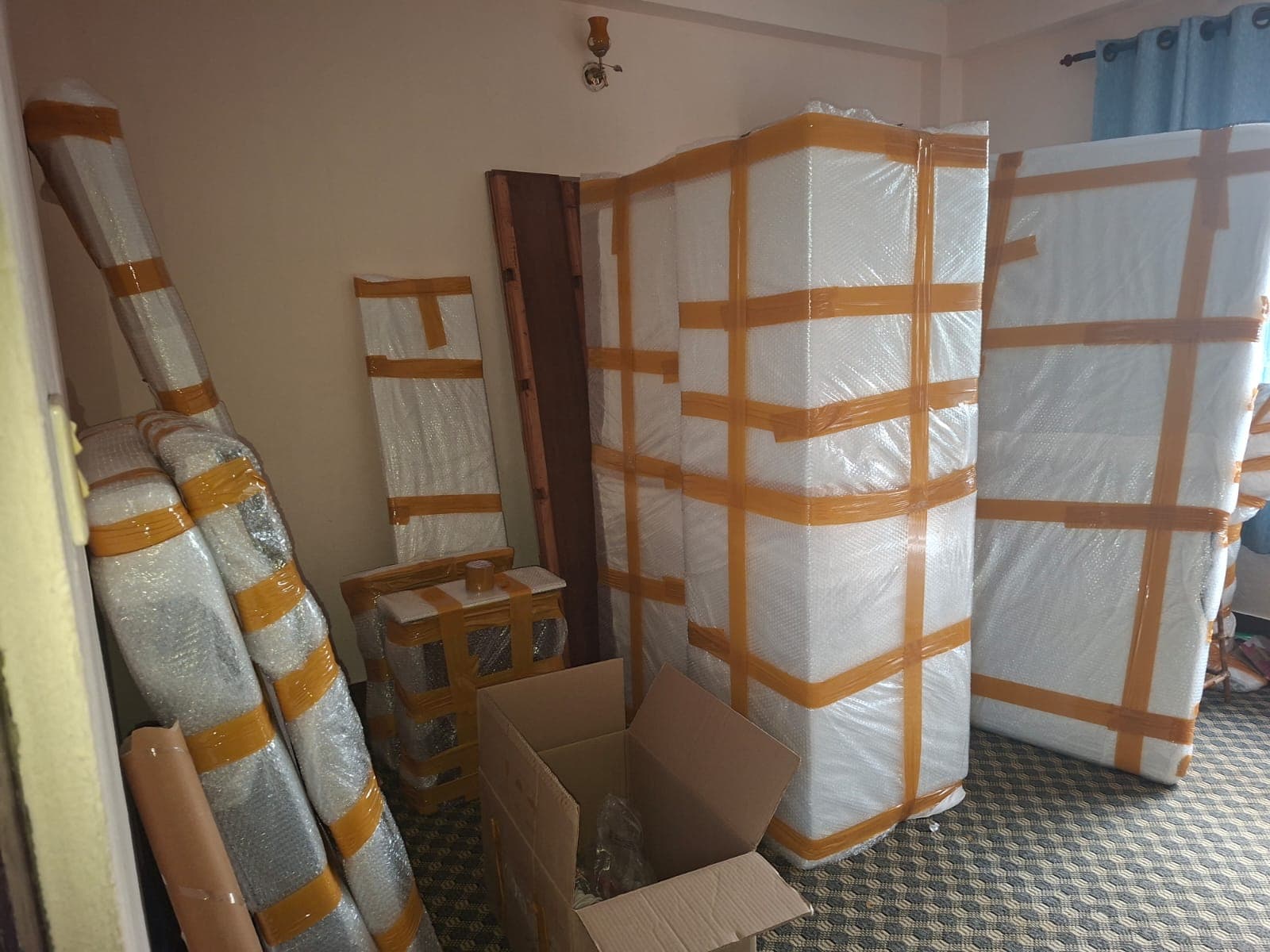
Dishes require a genuinely different packing orientation than most people instinctively use.
Pack plates vertically, on their edge — never stacked flat. This is the single most important rule for dishes: flat-stacked plates concentrate all the weight and impact force across the plate's widest, most vulnerable surface, while plates packed on their edge (like records in a crate) distribute pressure much more safely along the plate's structurally stronger rim.
Wrap each plate individually in packing paper, then group a small stack of similarly sized, wrapped plates together (still standing on edge) and wrap the group again for an extra layer of cushioning. Use a dish-pack box with a cushioned bottom layer of crumpled paper, and fill any remaining gaps in the box so nothing shifts. Keep boxes of dishes to a manageable weight — a box that's too heavy to comfortably lift is both a safety risk for whoever's carrying it and more likely to be dropped or handled roughly out of sheer physical strain.
Flat glass items — mirrors, framed pictures, glass-covered artwork — need protection against both impact and pressure across their large, flat surface.
Apply corner protectors to all four corners first, since corners are the most vulnerable point on any framed item. Wrap the entire piece in bubble wrap, ensuring the glass surface itself gets a dedicated layer of protection, not just the frame edges. For genuinely valuable or large mirrors and artwork, consider a mirror/picture box specifically designed for this shape (a flat, elongated box), or sandwich the item between two pieces of cardboard cut to size before wrapping, which adds meaningful rigidity against bending or pressure.
Always transport and store these items on their edge, never flat — a flat-lying mirror or framed piece is far more vulnerable to cracking under the weight of anything placed on top, while an edge-standing position distributes pressure along the sturdier frame rather than the glass center. Mark clearly on the packaging which side faces up and which way is "this side up" if the piece has a defined orientation.
Electronics carry a different kind of risk than glassware — less about shattering, more about internal component damage from shock, static, or improper handling.
Use original packaging wherever you still have it. Manufacturers design their boxes and internal foam inserts specifically for that device's shape and vulnerable points — nothing you improvise will protect as well as the original box, so it's worth holding onto packaging for valuable electronics if you anticipate moving in the future.
Where original packaging isn't available, wrap the item in anti-static bubble wrap (standard bubble wrap works if anti-static isn't available, but proper anti-static material is preferable for sensitive components) and use a properly sized box with padding on all sides, not just the top and bottom. For screens specifically (televisions, monitors, laptops) — pack them upright, never flat, and never with anything resting against the screen surface directly, even through padding. Remove batteries from devices where practical, both for safety during transit and to prevent any damage from battery leakage.
Photograph cable connections and setups before disconnecting anything, so reassembly at your new home is straightforward rather than a guessing game. And keep genuinely irreplaceable electronics — a laptop with unsaved important work, for instance — with you personally rather than in the moving vehicle, as an extra precaution beyond even careful packing.
Lamps combine a delicate base (often ceramic or glass) with an even more fragile and awkwardly shaped shade, and both need distinct handling.
Remove lampshades and pack them separately — never nested inside each other if you have more than one, since shades crush and dent easily under even light pressure. Wrap the shade loosely in packing paper (not tightly compressed bubble wrap, which can distort its shape) and place it in a box sized appropriately, with the shade's shape protected from being crushed by anything else in the box.
Wrap the lamp base as you would any ceramic or glass item — individually, generously padded — and pack it upright in its own box with the cord coiled and secured (rubber-banded or lightly taped) so it doesn't tangle or catch on anything during handling. Remove bulbs before packing, both to prevent breakage and because bulbs should generally be packed separately regardless, given how fragile they are on their own.
Small appliances (blenders, toasters, coffee makers) generally follow standard electronics packing principles — original packaging where available, otherwise proper padding and a well-sized box, with any removable glass components (blender jugs, for instance) wrapped and packed separately from the main unit.
Larger appliances require more specific preparation, covered in more detail in household moving guides, but the core fragile-item-relevant points are: refrigerators should be defrosted and completely dried before the move, since any moisture left inside creates both a mold risk and unnecessary weight; glass shelving inside refrigerators should be removed and wrapped individually, exactly as you would any glass item, rather than left inside where it can slide and crack during transit; oven and stovetop glass components (if removable) should similarly be taken out and packed separately rather than transported inside the appliance.
Irregularly shaped decorative items are genuinely some of the trickiest to pack well, since standard flat-wrapping techniques don't always suit their shape.
For vases, stuff the interior cavity with crumpled paper first (this provides internal support against the vase collapsing inward under pressure), then wrap the exterior generously, paying particular attention to any narrow neck or rim, which is almost always the most vulnerable point. For decorative items with protruding parts (handles, sculptural details, uneven shapes), wrap each protruding element individually before wrapping the whole piece, since these details concentrate impact force if left unprotected.
Use a box appropriately sized for the item's largest dimension, and fill all surrounding space generously — irregularly shaped items need more surrounding cushioning than a simple, uniform object would, precisely because their shape doesn't naturally distribute pressure evenly.
Instruments combine fragility with genuine monetary and often sentimental value, warranting particular care.
Use a proper instrument case if you have one — hard cases in particular offer far more protection than any improvised wrapping could. If a hard case isn't available, wrap the instrument in a soft cloth layer first, then bubble wrap, then place it in an appropriately sized box with generous padding on all sides. For string instruments specifically, loosen strings slightly before transport to reduce tension-related stress during temperature or humidity changes en route.
Keep instruments away from extreme temperature exposure during transit and storage where possible, since materials like wood and certain finishes can be sensitive to significant heat or humidity swings — a real consideration during Nepal's monsoon season specifically.
Choosing the right box matters as much as the wrapping technique itself.
Match box size to contents, not convenience. It's tempting to use whatever box is available, but an oversized box for a small fragile item means more room for it to shift, while an undersized box means over-stuffing and risking the box's structural integrity.
Use the box - in-box technique for especially fragile or valuable items. This means packing the wrapped item into a smaller box with generous padding, then placing that entire smaller box into a larger box with additional padding surrounding it. This double layer of cushioning is genuinely worth the extra materials for anything irreplaceable — it adds a meaningful buffer against both impact and compression that a single box, however well-padded, doesn't provide on its own.
Reinforce box bottoms with extra tape, particularly for heavier fragile items like dish-pack boxes, since a box bottom that gives way mid-carry is one of the more common and entirely preventable causes of breakage.
Even perfectly packed boxes can be damaged by poor loading — this step matters just as much as the packing itself.
| Loading Position | What Goes Here |
|---|---|
| Bottom of the load | Heavy, sturdy, non-fragile items (books boxed appropriately, solid furniture) |
| Middle | Medium-weight boxes, furniture with some cushioning already built in |
| Top of the load | Fragile item boxes, clearly labeled, positioned last and unloaded first |
| Secured against vehicle walls, not loose | Mirrors, glass tabletops, and other flat fragile items, stored on edge |
Fragile boxes should never be placed at the bottom of a stack, no matter how sturdy they look from the outside — the packing materials inside are designed to absorb impact and vibration, not to bear the sustained weight of everything stacked above them for hours of transit.
They should also be among the last items loaded and first items unloaded, both so they spend less time buried under other items and so they're handled with fresher attention rather than at the end of a long, tiring loading process.
If your move involves several hours of road transit rather than a short in-valley trip, fragile-item packing deserves extra reinforcement, since more time on the road means more accumulated vibration and handling risk:
Use more generous padding than you would for a short trip — what's sufficient cushioning for twenty minutes of city driving may not be enough for six to eight hours over winding highway sections. Double-check that nothing has room to shift inside any box — give sealed boxes a gentle shake test before loading; if you hear or feel movement, add more filler material.
Secure fragile items more firmly within the vehicle itself, ideally braced against something solid rather than simply stacked, since longer routes typically involve more turns, stops, and uneven road sections that can shift an improperly secured load.
And if your move falls during monsoon season, ensure genuine waterproof covering for anything in an open or partially covered vehicle, since hours of rain exposure poses a real risk that a quick in-valley trip wouldn't carry to the same degree.
A quick, practical list of the errors that cause the most preventable damage:
Using newspaper directly against light-colored or porous surfaces, risking ink transfer and staining. Stacking plates flat instead of on their edge, concentrating impact force across their most vulnerable surface. Leaving empty space in boxes, allowing items to shift and build up impact during transit. Using boxes that are too large for their contents, giving items dangerous room to move.
Placing fragile boxes at the bottom of a stack, where they bear weight they were never designed to support. Skipping individual wrapping for items packed together, allowing glass-on-glass or ceramic-on-ceramic contact even within padding. Using worn-out or reused boxes with compromised structural integrity for anything genuinely fragile or heavy.
Under-taping box seams, particularly the bottom, risking a box giving way mid-carry. Vague labeling that doesn't tell handlers what's actually inside or which way is up.
Given how much technique matters, it's worth being honest about when DIY packing makes sense and when professional packing is genuinely worth the cost.
| Consideration | DIY Packing | Professional Packing |
|---|---|---|
| Cost | Lower — materials only | Higher — includes labor and expertise |
| Time required | Significant, especially for a full household | Handled by an experienced crew, generally faster |
| Technique and material knowledge | Depends entirely on your own research and care | Crews are trained specifically in item-appropriate techniques |
| Best suited for | Smaller moves, budget-conscious households, items you're comfortable handling yourself | Full households, high-value or sentimental items, anyone short on time |
| Damage risk | Higher if technique or materials are inadequate | Lower, given professional experience and proper materials |
| Liability if something breaks | Generally on you, since you packed it | Often covered under the mover's damage/liability policy, depending on terms |
A reasonable middle path many households take: handle everyday, lower-risk items yourself using the techniques in this guide, and leave genuinely fragile, valuable, or sentimental items — the mirror that's been in the family for decades, expensive electronics, artwork — to professional packing specifically.
offers exactly this kind of flexibility, packing everything from a full household to just the fragile-item category on request, using the same materials and techniques outlined throughout this guide, for anyone who wants the peace of mind of professional handling for the items that matter most.
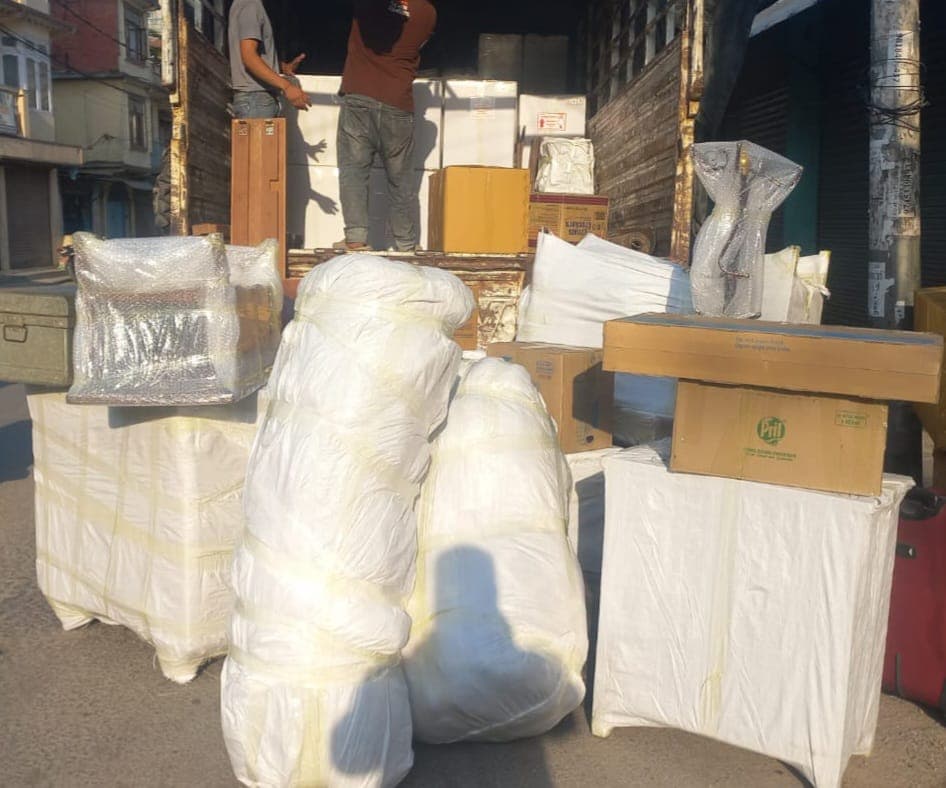
A practical, room-agnostic list to work through as you pack:
What's the biggest mistake people make when packing fragile items?
Leaving empty space inside boxes. Items that have room to move during transit build up impact force with every bump and turn, even without a single hard drop — filling all space with paper or packing peanuts is one of the simplest, most effective things you can do.
Should plates be packed flat or on their edge?
Always on their edge, like records in a crate — never stacked flat. This distributes pressure along the plate's structurally stronger rim rather than concentrating it across the more vulnerable flat surface.
Is newspaper safe to use for wrapping fragile items?
Printed newspaper can transfer ink onto light-colored or porous surfaces, so plain, unprinted packing paper is the safer choice for anything you don't want marked or stained.
How should mirrors and framed artwork be transported — flat or upright?
Always on their edge, never flat. A flat-lying mirror or framed piece is far more vulnerable to cracking under any weight placed on top, while an edge-standing position distributes pressure along the sturdier frame.
Do I need original packaging for electronics, or is regular bubble wrap enough?
Original packaging is genuinely better if you still have it, since manufacturers design the box and internal padding specifically for that device's shape and vulnerable points. If it's not available, anti-static bubble wrap and a properly sized, well-padded box are a solid alternative.
How much padding is actually enough for a fragile item?
Enough that the item can't shift at all inside its box — do a gentle shake test on a sealed box; if you feel or hear movement, add more filler material until it's completely still.
Should fragile boxes go on the bottom or top of a stack when loading a moving vehicle?
Always the top, never the bottom. Fragile items' packing materials are designed to absorb impact and vibration, not to bear the sustained weight of everything stacked above them during hours of transit.
Do long-distance or intercity moves need different fragile-item packing than a short move?
Yes — more generous padding, more secure positioning within the vehicle, and closer attention to weather protection are all warranted given the significantly longer transit time and greater accumulated vibration and handling involved.
How should lampshades be packed?
Separately from the lamp base and from each other if you have multiple lamps — nested or stacked shades crush and dent easily. Wrap loosely (not tightly compressed) in packing paper and box them with room to keep their shape.
Is it worth hiring professionals just to pack fragile items, even if I'm doing the rest of the move myself?
This is a genuinely reasonable middle-ground approach many households take — handling everyday items yourself while leaving the most valuable, sentimental, or genuinely fragile pieces to professional packing, which typically offers more reliable technique and materials for the items where damage would hurt the most.
What should I do with genuinely irreplaceable items, like family heirlooms?
Beyond careful packing, consider the box-in-box technique for extra cushioning, and where feasible, transport truly irreplaceable items personally rather than in the moving vehicle, as an added layer of protection beyond even the best packing job.
Does Nepal City Packers and Movers offer fragile-item-specific packing as a standalone service?
Yes — Nepal City Packers and Movers can handle fragile-item packing specifically, using proper materials and item-appropriate technique, whether as part of a full household move or as a focused service for just the items you're most concerned about protecting.
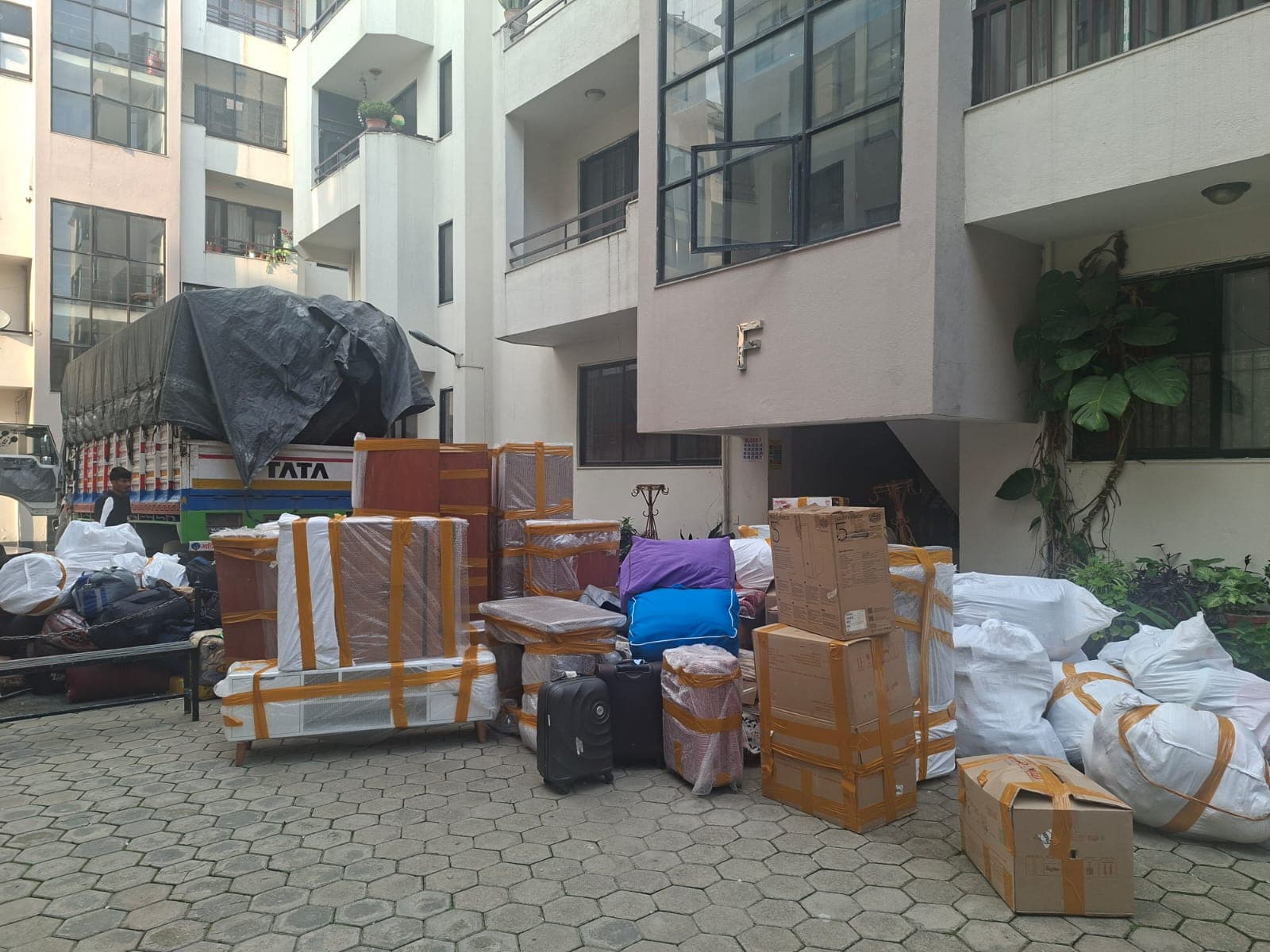
Fragile-item damage during a move is almost always preventable — it comes down to the right materials, the right technique for each specific item type, and careful attention to how things are loaded and positioned for transit.
Whether you're working through this guide box by box yourself, or you'd rather hand the fragile items over to people who do this every day, Nepal City Packers and Movers can pack — or help you pack — the things you genuinely don't want to see broken on the other side of your move.

Nepal City Packers and Movers
Share:
Explore Our Range of Moving & Logistics Services

Experience fast and reliable domestic and international courier services with Nepal City Packers and Movers. Secure delivery for all your packages, locally and globally!

Explore additional services by Nepal City Packers and Movers, including loading, unloading, parking assistance, and more. Tailored solutions for all your needs!

Explore reliable two-wheeler transport services by Nepal City Packers and Movers. Safe, secure, and timely bike transportation locally or across Nepal. Contact us today!
 Nepal City Packers and Movers - Banepa, Kavre
 Top Packers and Movers - Bouddha, Kathmandu
 Professional Packers and Movers - Balaju, Kathmandu
 Reliable and Affordable Packers and Movers - Baluwatar, Kathmandu
 Top-Rated Packers and Movers - Maharajgunj, Kathmandu
 Leading Packing and Moving Service | Nepal City Packers and Movers - Durbarmarga, Kathmandu
 Nepal city packers and movers - Lalitpur, Nepal
 Nepal City Packers and Movers - Thimi, Bhaktapur
 Reliable Packers and Movers - Kupandole, Lalitpur
 Affordable and Reliable Packers and Movers - kalanki, Kathmandu