
Loading…
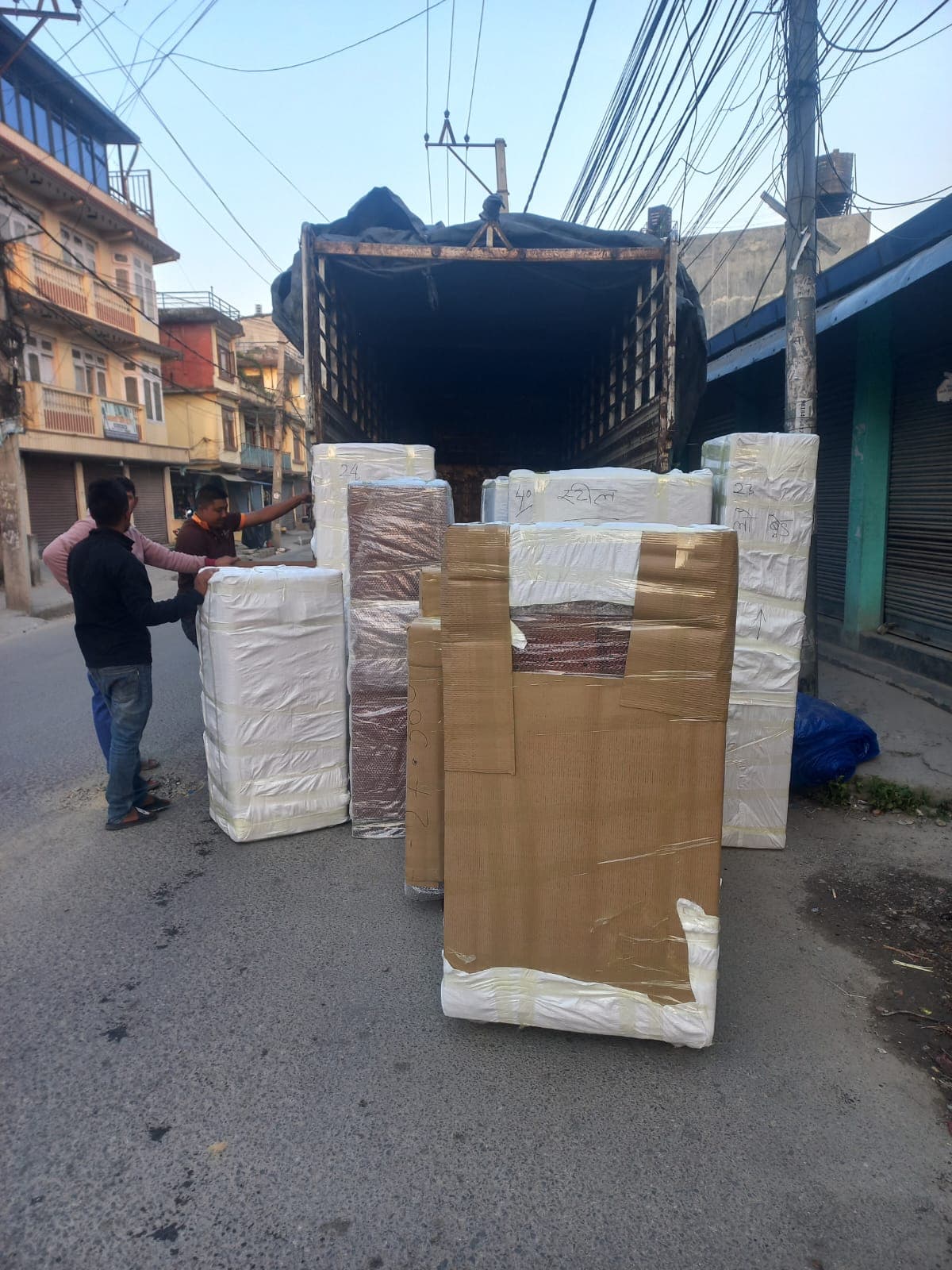
Moving across town is stressful enough. Moving across the country — from Kathmandu to Pokhara for a new job, from the Kathmandu Valley down to Chitwan for a change of pace, or out to Biratnagar or Butwal to be closer to family — adds an entirely different layer of planning. The truck can't simply come back for a second load if you underestimated your volume. The weather and road conditions along a six-to-eight-hour mountain highway matter in a way they never do for an in-valley move. And the timeline stretches from "a day" to "a day plus a long drive plus unloading at the other end," often with an overnight stay involved somewhere in between.
This guide is built specifically around that reality — how long-distance moving actually works in Nepal, what the country's major intercity routes look like in practice, what genuinely affects cost and timing over distance, and how to plan a move that doesn't fall apart somewhere on the Prithvi Highway.
Nepal City Packers and Movers handles long-distance relocations alongside its Kathmandu Valley moving services, and the framework below reflects how a long-distance move should actually be approached from start to finish.
Before getting into logistics, it's worth defining the category clearly, since "long distance" means something different in Nepal than it might elsewhere. Given the country's mountainous terrain, a distance that looks modest on a map — 200 kilometers, for instance — can translate into a genuinely long, multi-hour journey once road conditions, elevation changes, and traffic are factored in.
For the purposes of this guide, long-distance moving covers relocations between major cities and regions across Nepal — most commonly Kathmandu to Pokhara, Kathmandu to Chitwan/Bharatpur, Kathmandu to Butwal or the Lumbini area, Kathmandu to Biratnagar or other eastern Terai cities, and similar routes connecting the hill and Terai regions.
It's distinct from the "intercity" mentions found in general moving-service content, in that a genuine long-distance move typically involves an overnight or multi-day timeline, careful route planning, and considerations that simply don't come up in a same-day, in-valley move.
Understanding the real road conditions and travel times for Nepal's most common relocation routes helps set realistic expectations from the start, rather than relying on optimistic best-case assumptions.
This is the most frequently traveled long-distance corridor in Nepal, connecting the country's two largest cities. The route runs via the Prithvi Highway, a roughly 200-kilometer road that was completed in 1974 and remains the primary road link between Kathmandu Valley and Pokhara. The highway follows the Trishuli River for a significant stretch before opening up toward the Pokhara Valley, passing through towns including Naubise, Malekhu, Kurintar, and Mugling along the way.
Realistically, a road journey between Kathmandu and Pokhara takes somewhere in the range of 6 to 8 hours, depending on traffic, roadwork, and weather conditions — and can extend toward the longer end of that range, or beyond, during monsoon season (roughly June through August) when occasional landslides slow travel along the route. This is a meaningfully different picture from the roughly 25-to-35-minute flight time between the two cities, which underscores why realistic planning matters so much for a loaded moving vehicle traveling this route by road.
This route also uses the Prithvi Highway for its initial stretch (the road toward Mugling), before branching south toward the Chitwan area. It's a shorter and generally more manageable journey than the full run to Pokhara, given that Chitwan sits along the way to points further west and south, in the lowland Terai region rather than deep in the hills.
The driving distance between Kathmandu and Butwal runs approximately 260 to 265 kilometers, with typical driving time in the range of 6 to 6.5 hours under normal conditions, though this can extend depending on traffic and road conditions along the way.
This route also connects onward toward the Lumbini area, a common destination for both personal relocations and business logistics given the region's growing commercial activity.
This is one of the longer standard intercity routes in Nepal, with a driving distance of roughly 370 to 376 kilometers and typical travel time in the range of 8 to 9 hours by road under normal conditions. Given the distance and duration involved, moves along this corridor are among the most likely to benefit from an overnight stop or careful early-departure planning, rather than attempting the full journey in a single continuous push.
| Route | Approx. Driving Distance | Typical Driving Time | Key Highway |
|---|---|---|---|
| Kathmandu ↔ Pokhara | ~200 km | 6-8 hours | Prithvi Highway |
| Kathmandu ↔ Chitwan/Bharatpur | Shorter than Pokhara route (via same corridor) | Generally under 5 hours | Prithvi Highway (partial) |
| Kathmandu ↔ Butwal | ~260-265 km | ~6-6.5 hours | Prithvi Highway + connecting routes |
| Kathmandu ↔ Biratnagar | ~370-376 km | ~8-9 hours | Via Mugling/East-West Highway |
These figures reflect normal road conditions; monsoon-season weather, landslides, roadwork, and traffic can extend travel time meaningfully on any of these routes, and should be factored into planning as a matter of course rather than an exception.
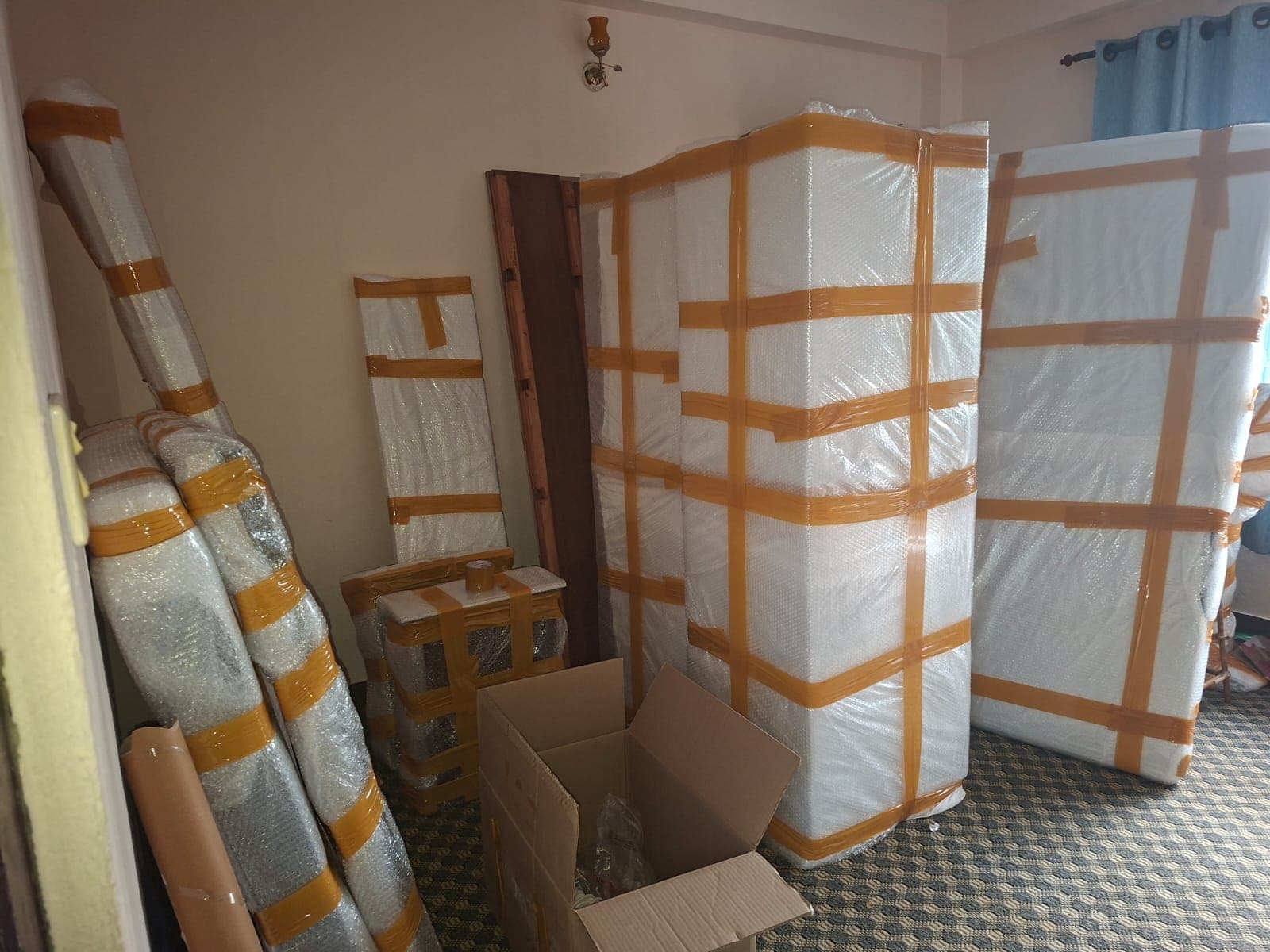
A handful of realities separate a long-distance move from anything within Kathmandu Valley, and understanding them upfront prevents a lot of avoidable stress.
Driver experience with the specific route matters. Nepal's highways, while improved considerably over the decades, still include winding mountain sections, and a driver genuinely familiar with a given route — its rest stops, typical traffic patterns, and seasonal quirks — makes a real difference in both safety and reliability compared to an unfamiliar driver attempting the route for the first time.
Given the added complexity, a long-distance move benefits from a longer planning runway than an in-valley relocation.
A reasonable structure looks like this:
Given the added complexity, a genuinely complete long-distance moving service should cover more ground than a standard in-valley move:
A clear damage and liability policy specific to long-distance risk. Given the additional transit time and distance involved, it's worth having an explicit conversation about how damage during a long-distance move is handled, since the risk profile is genuinely different from a short in-valley trip.
Long-distance moving pricing involves a somewhat different set of drivers than in-valley moves, given the added distance, time, and planning involved:
| Factor | Why It Matters |
|---|---|
| Distance/route | Directly affects fuel cost, driver time, and overall trip duration |
| Volume of belongings | Determines vehicle size — critical to get right since a second trip is costly over long distance |
| Route difficulty | Some routes involve more challenging road conditions (winding hill sections) than others |
| Overnight stops | If a route requires an overnight stop, driver accommodation and related costs factor into the total |
| Packing complexity | Fragile and valuable items need more robust protective packing given the longer transit time |
| Season | Monsoon-season moves may carry added risk/time considerations that affect planning and, in some cases, pricing |
| Loading/unloading access at both ends | No-lift buildings or narrow-access locations at either the origin or destination add labor time on both ends of the trip |
| Return trip logistics | Whether the vehicle needs to return empty or can be scheduled efficiently sometimes factors into overall pricing |
Given how much these factors vary by specific route and volume, an accurate long-distance moving quote requires real detail — your specific origin and destination, approximate volume, and any known access challenges at either end — rather than a generic per-kilometer estimate.
The core packing principles from an in-valley move still apply, but a few things deserve extra attention specifically because of the longer transit involved:
Weather protection is non-negotiable during monsoon season. An open-bed or partially covered vehicle traveling a multi-hour route during the rainy season needs proper waterproof covering — this isn't optional given the extended exposure time compared to a quick in-valley trip.
A few practical notes worth knowing for the most common long-distance routes:
The Kathmandu-Pokhara corridor (Prithvi Highway) passes through several notable towns and landmarks along the way, including Malekhu, Kurintar (near the Manakamana cable car), and Mugling, a key junction town where the highway connects to routes heading further south and east. This route sees heavy traffic, including tourist buses and commercial vehicles, and travel time can vary considerably based on time of day and season — planning for the longer end of the 6-8 hour range, particularly during monsoon months, is the safer approach.
Routes through Mugling serve as a key junction for several long-distance corridors, since Mugling connects the Prithvi Highway to routes heading toward the East-West Highway (also known as the Mahendra Highway), which serves much of Nepal's Terai region including routes toward Chitwan, Butwal, and onward to the eastern cities like Biratnagar.
Longer eastern routes (toward Biratnagar and beyond) involve enough distance and driving time that an overnight stop is a genuinely reasonable consideration, rather than attempting the full journey in a single day — this is worth discussing directly with your mover during planning rather than assuming a same-day arrival by default.
Elevation and terrain changes along routes connecting the Kathmandu Valley (itself at a significant elevation) to lower-lying Terai destinations involve real changes in road character — winding, hillier sections closer to Kathmandu giving way to flatter terrain further out — which affects both travel time and, to some extent, how goods should be secured for the different types of road movement involved.
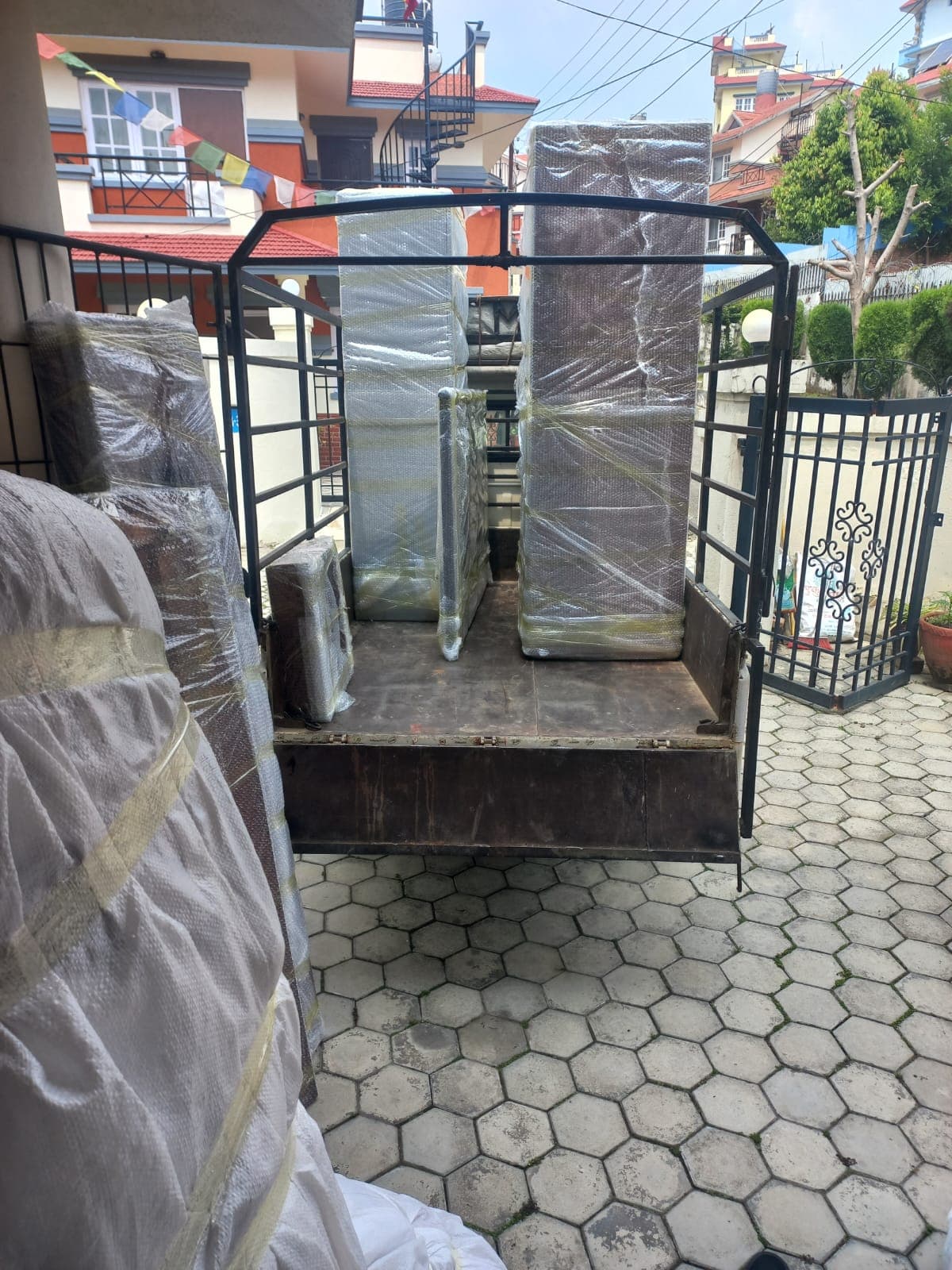
Business relocation across cities in Nepal — whether opening a new branch, relocating an entire operation, or transferring inventory in bulk — shares the core long-distance planning principles above but adds a few business-specific considerations:
IT and equipment need extra protection for the journey. The anti-static packing and careful handling principles that apply to any office move matter even more over a multi-hour transit, where vibration and longer exposure increase risk to sensitive equipment.
Timing needs to account for business continuity. A business relocating to a new city needs to plan not just the moving day itself but a realistic window for getting operational again at the new location — factoring in the transit time, unloading, and setup, which for a long-distance business move can reasonably extend beyond a single day.
Inventory-heavy relocations may overlap with cargo services. For businesses moving substantial inventory volumes rather than office furniture and equipment, this starts to resemble domestic cargo transport as much as a traditional office move — worth discussing with your provider which framing better fits your specific relocation.
Given the added stakes of a long-distance move — more that can go wrong, over more distance, with less ability to course-correct mid-journey — these checks matter more than ever:
Confirm the provider has genuine, specific experience with your exact route, not just general intercity claims — a company experienced with the Kathmandu-Pokhara corridor specifically understands that route's traffic patterns, rest stops, and seasonal quirks in a way that generic "we do outstation moves" language doesn't guarantee. Insist on a real, detailed volume assessment before booking, given how costly an undersized vehicle becomes over long distance.
Ask directly about their driver's experience with the specific route and how they handle monsoon-season timing or road condition changes. Get clarity on whether an overnight stop is planned for longer routes, and how that's handled. Ask specifically about their damage and liability policy for long-distance moves, given the additional transit time and distance involved.
And check for reviews or references specifically mentioning long-distance or intercity moves, not just in-valley jobs, since the two require genuinely different planning and execution.
Nepal City Packers and Movers approaches long-distance relocations with the same volume-first planning principle that governs every move in its range — understanding the actual load, the specific route, and the realistic timeline before committing to a vehicle and schedule, so a move to Pokhara, Chitwan, Butwal, Biratnagar, or elsewhere in Nepal is planned around the real conditions of that specific journey rather than a generic estimate.
For a typical Kathmandu-to-Pokhara household move, the day generally starts early — loading typically begins in the morning to allow enough daylight and time for the roughly 6-to-8-hour drive ahead, plus unloading at the destination.
The crew loads the vehicle with particular attention to securing items for the longer, winding journey ahead — heavier furniture positioned to minimize shifting, fragile items padded and placed where they won't be crushed, and the full load secured and, if needed, covered against weather. The journey itself follows the Prithvi Highway, with the driver's familiarity with the route helping navigate traffic patterns around towns like Mugling efficiently.
Arrival timing depends heavily on departure time, traffic, and road conditions on the day — a well-planned move typically arrives with enough daylight remaining for at least a partial unload, though full unpacking and placement may extend into the following day for a larger household.
For longer routes like Kathmandu to Biratnagar, the day's structure shifts to account for the longer travel time, with an overnight stop being a genuinely sensible option worth planning for rather than pushing through a single exhausting day.
A comprehensive list specific to planning a move between cities in Nepal:
How long does it take to move belongings from Kathmandu to Pokhara?
The road journey typically takes 6 to 8 hours via the Prithvi Highway, depending on traffic, roadwork, and weather. This can extend toward the longer end of that range, or beyond, during monsoon season when landslides can occasionally affect travel.
How far is Pokhara from Kathmandu, and what road connects them?
Pokhara is approximately 200 kilometers from Kathmandu by road, connected via the Prithvi Highway, which has served as the main route between Kathmandu Valley and Pokhara since its completion in 1974.
How long does a move from Kathmandu to Biratnagar take?
The driving distance is roughly 370 to 376 kilometers, with typical travel time in the range of 8 to 9 hours under normal road conditions. Given this distance, an overnight stop is a genuinely reasonable consideration rather than attempting the full journey in a single day.
Is it more expensive to move long distance than within Kathmandu Valley?
Generally yes, given the added distance, fuel, driver time, and in some cases overnight accommodation costs involved. Pricing depends on your specific route, volume, and any access challenges at either end, so an accurate quote requires these details.
Do I need to be present for the entire long-distance move, including the journey itself?
This varies by preference and arrangement — some people travel separately from their belongings (by bus, private vehicle, or flight) and meet the moving vehicle at the destination, while others prefer to travel alongside or closely coordinate with the moving vehicle's schedule. Discuss this directly with your mover when planning.
How does monsoon season affect long-distance moving in Nepal?
Monsoon-season rain (roughly June through September) can cause landslides and road conditions that slow travel on hill routes like the Prithvi Highway, extending typical travel times. Proper waterproof protection for your belongings and a realistic time buffer are especially important for moves scheduled during this period.
Can movers handle a long-distance move for a full house, not just a few boxes?
Yes, though a full house's volume over long distance requires particularly careful vehicle sizing and planning, since an undersized vehicle can't simply make a quick second trip the way it might for an in-valley move. A thorough pre-move volume assessment is especially important here.
What happens if my belongings don't fit in the vehicle for a long-distance move?
This is exactly why an accurate volume assessment before booking matters so much for long-distance moves — a second trip over a multi-hour route is costly and time-consuming in a way that a short in-valley second trip isn't. Discuss your full inventory honestly with your mover during planning to avoid this situation.
Do long-distance moving services handle office or business relocations between cities?
Yes, though business relocations add considerations around IT equipment protection for the longer journey and planning realistic timelines for business continuity at the new location. For inventory-heavy business moves, this can overlap with domestic cargo services depending on the volume involved.
How much advance notice should I give for a long-distance move?
Given the added planning complexity — route assessment, accurate volume estimation, and potentially arranging an overnight stop — 3 to 4 weeks of advance planning is a reasonable target, longer than what's typically needed for an in-valley move.
Are fragile items more at risk during a long-distance move?
The longer transit time and, on some routes, winding mountain roads do increase handling risk compared to a short in-valley trip, which is why more robust padding, careful positioning within the vehicle, and clear labeling matter more for long-distance moves specifically.
Does Nepal City Packers and Movers handle moves to cities outside Kathmandu Valley, like Pokhara, Chitwan, or Biratnagar?
Yes, Nepal City Packers and Movers handles long-distance relocations across Nepal's major routes, planning vehicle sizing, packing, and timeline around the specific journey involved — whether that's the roughly 6-to-8-hour route to Pokhara, the shorter run to Chitwan, or the longer journey toward Biratnagar and the eastern Terai.
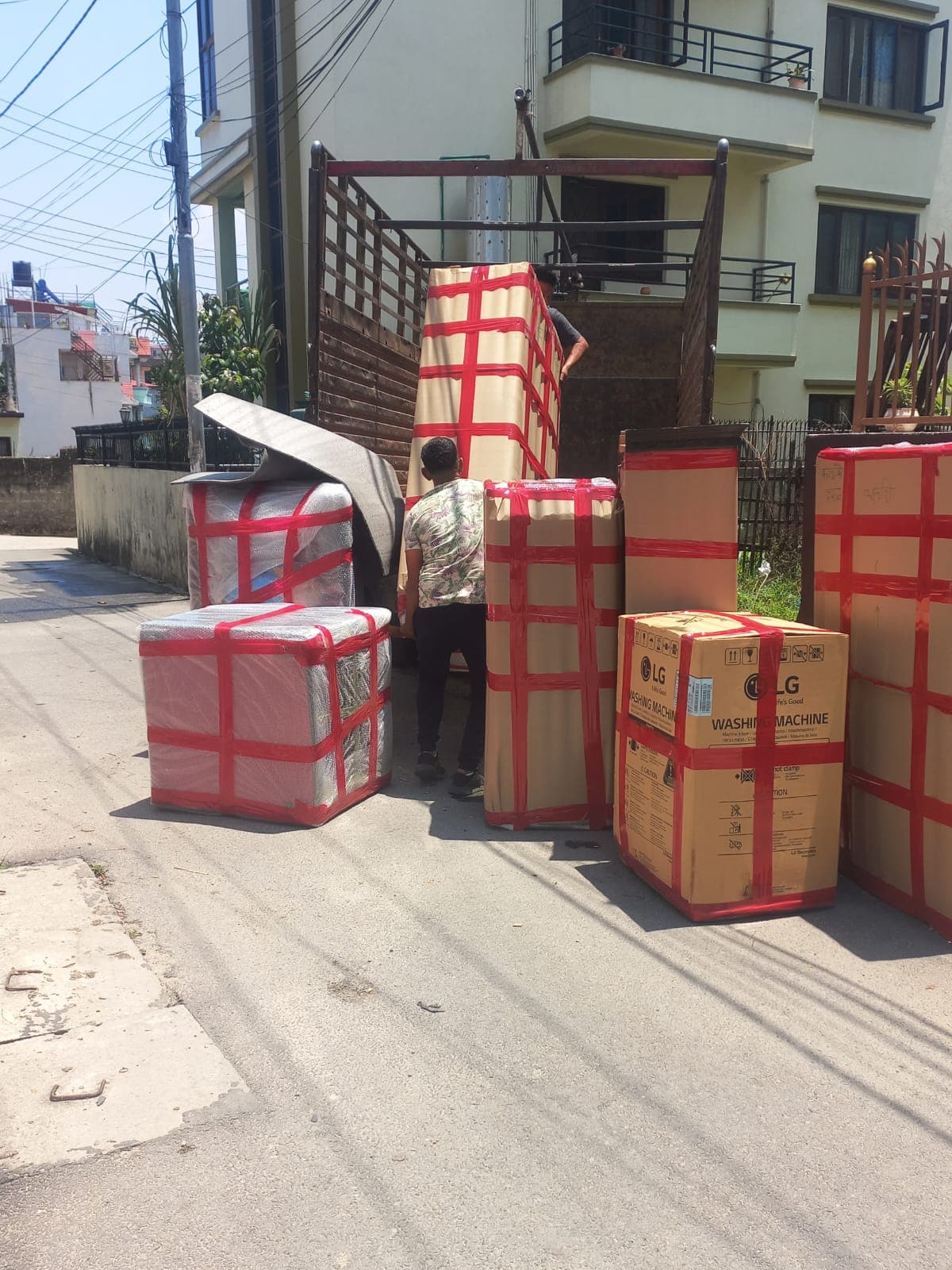
A move across Nepal's cities isn't just a longer version of an in-valley relocation — it's a genuinely different planning problem, shaped by real road conditions, distance, and the simple fact that a moving vehicle can't easily turn around for a second load once it's hours down the highway.
Share your route, approximate volume, and preferred moving date with Nepal City Packers and Movers, and get a plan built around the actual journey ahead — whether that's Kathmandu to Pokhara, Chitwan, Butwal, Biratnagar, or another destination across the country.

Nepal City Packers and Movers
Share:
Explore Our Range of Moving & Logistics Services

Experience fast and reliable domestic and international courier services with Nepal City Packers and Movers. Secure delivery for all your packages, locally and globally!

Explore additional services by Nepal City Packers and Movers, including loading, unloading, parking assistance, and more. Tailored solutions for all your needs!

Explore reliable two-wheeler transport services by Nepal City Packers and Movers. Safe, secure, and timely bike transportation locally or across Nepal. Contact us today!
 Nepal City Packers and Movers - Banepa, Kavre
 Top Packers and Movers - Bouddha, Kathmandu
 Professional Packers and Movers - Balaju, Kathmandu
 Reliable and Affordable Packers and Movers - Baluwatar, Kathmandu
 Top-Rated Packers and Movers - Maharajgunj, Kathmandu
 Leading Packing and Moving Service | Nepal City Packers and Movers - Durbarmarga, Kathmandu
 Nepal city packers and movers - Lalitpur, Nepal
 Nepal City Packers and Movers - Thimi, Bhaktapur
 Reliable Packers and Movers - Kupandole, Lalitpur
 Affordable and Reliable Packers and Movers - kalanki, Kathmandu