
Loading…
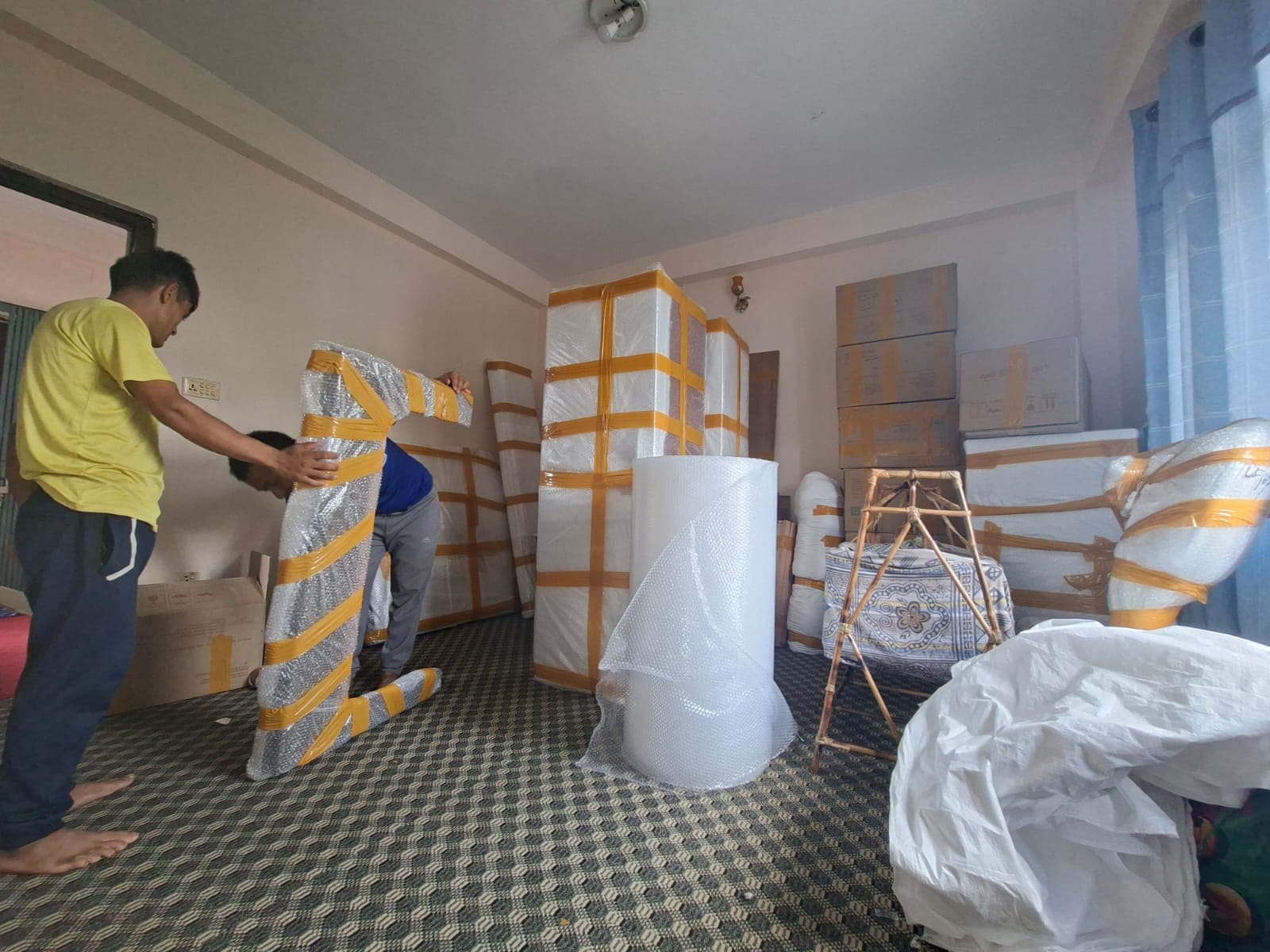
Of everything in a Kathmandu household, the appliances are usually the most expensive single items to replace — and also the ones most commonly damaged through simple, avoidable mistakes on moving day. A refrigerator plugged in too soon after transport. A washing machine moved without its drum secured. A split AC uninstalled without the refrigerant properly handled. None of these mistakes happen because people don't care about their appliances — they happen because moving refrigerators, washing machines, and ACs safely requires specific knowledge that's genuinely different from packing a box of books or wrapping a mirror.
This guide covers exactly what that specific knowledge involves — how to prepare each appliance correctly, what can go wrong if you skip a step, and what a professional mover should be doing differently when appliances are part of the load.
Nepal City Packers and Movers handles appliance-heavy moves across Kathmandu Valley and beyond, and the guidance below reflects the actual technique behind moving refrigerators, washing machines, and ACs safely — not just common sense guesses.
Furniture damage is usually visible immediately — a scratch, a dent, a broken leg. Appliance damage from improper moving is often invisible at first and shows up days or weeks later: a refrigerator that runs but never cools properly, a washing machine with a damaged drum suspension that develops a loud vibration, an AC that won't blow cold air after reinstallation.
This delayed-damage pattern is exactly why moving refrigerators, washing machines, and ACs safely matters so much — by the time a problem becomes obvious, it's often too late to trace it clearly back to the move itself, and the repair cost can meaningfully exceed what a few extra minutes of proper preparation would have cost.
Each of these three appliance categories has its own specific vulnerability during a move:
| Appliance | Main Risk During Moving | Root Cause |
|---|---|---|
| Refrigerator | Compressor damage, poor cooling after setup | Running the unit too soon after being tilted or laid on its side |
| Washing machine | Internal drum and suspension damage | Moving without transit bolts securing the drum |
| Split/window AC | Refrigerant loss, poor cooling after reinstallation | Improper gas handling during uninstallation and reinstallation |
Start preparation a day or two before moving day. Empty the refrigerator completely, including the freezer compartment, giving yourself time to use up or safely dispose of perishables rather than scrambling on moving day itself.
Defrost and dry the unit thoroughly. Unplug the refrigerator and allow it to defrost completely — this can take several hours, which is exactly why starting this step a day ahead matters. Any moisture left inside during transport creates a genuine risk of mold developing by the time the unit is reconnected at your new home, on top of simply adding unnecessary weight.
Remove and separately pack glass shelving and loose components. Glass shelves, drawers, and door bins should be taken out and wrapped individually — if left inside during transport, they can slide and crack against the refrigerator's interior.
Secure the doors for transit. Moving tape or stretch wrap around the exterior keeps doors from swinging open during loading, transport, and unloading.
Keep the refrigerator upright wherever possible. This is the single most important rule in moving refrigerators, washing machines, and ACs safely as a category — a refrigerator's compressor relies on oil that can shift out of position if the unit is tilted or laid on its side, and transporting it upright avoids this risk entirely.
If tilting is genuinely unavoidable, keep the angle minimal and know the settling-time consequence. Some situations — a narrow stairwell, a tight doorway — may require a slight tilt. If this happens, the unit needs meaningfully more settling time before being plugged in at the destination, covered in detail below.
Wait before plugging in at the new location. This is the step most commonly skipped, and the one that causes the most long-term damage. A refrigerator transported upright generally needs to sit upright and unplugged for at least 4 hours before being turned on, allowing the compressor oil to settle back into position.
If the unit was tilted or laid on its side at any point during the move — even briefly — this waiting period should extend considerably, with guidance from appliance manufacturers and professional movers commonly recommending 24 hours, and in cases of longer horizontal transport, some manufacturers advise waiting even longer still.
According to the general principle behind this rule — well documented across professional moving and appliance-care resources — rushing this step risks genuine compressor failure, a repair cost far higher than the inconvenience of waiting.
| Transport Position | Recommended Settling Time Before Plugging In |
|---|---|
| Transported upright the entire time | At least 4 hours |
| Tilted at an angle during part of the move | 12-24 hours, depending on how long and how steep the tilt |
| Laid on its side for any significant period | At least 24 hours, sometimes longer per manufacturer guidance |
Level the unit once placed. Once settling time has passed and before plugging in, confirm the refrigerator sits level in its final position — an unlevel refrigerator can struggle with proper door sealing and drainage over time.
This single rule — respecting settling time — is worth repeating because it's genuinely the most consequential, most overlooked step when it comes to moving refrigerators, washing machines, and ACs safely, and it costs nothing except a few hours of patience.
Disconnect and drain water lines completely. Turn off the water supply, disconnect hoses, and run a short cycle if needed to clear remaining water from the lines, then dry hoses and connections thoroughly to prevent mildew developing during transit.
Install transit bolts before the machine moves anywhere. This is the single most important step specific to washing machines, and it deserves real emphasis: most washing machines, particularly front-load models, have an internal drum suspended by springs or shock absorbers, designed to move during the wash and spin cycle.
During transport, without the drum secured, this same suspended movement becomes dangerous — the drum can swing and strike the machine's internal housing repeatedly over the course of a bumpy journey, damaging the suspension system and sometimes the drum itself. Transit bolts (also called shipping bolts) are specifically designed to lock the drum in place for exactly this situation, and they're typically the same bolts that were removed when the machine was first installed in your home.
Find your original transit bolts, or source replacements in advance. If you kept the bolts that came with your machine (ideally stored with the owner's manual), reinstall them before moving day. If they've been lost, it's worth sourcing replacement bolts for your specific model before the move rather than attempting to move the machine without any drum-securing method at all.
If transit bolts genuinely aren't available, pad the interior as a partial substitute. This isn't as effective as proper transit bolts, but packing material placed to limit drum movement is better than transporting the machine with no precaution at all.
Keep the machine as upright as possible during loading. Washing machines are notably top-heavy, and tilting them too far during loading and carrying increases tipping risk — a controlled, minimal tilt (generally just enough to maneuver through doorways or onto a hand truck) is the safer approach compared to a steep angle.
Remove transit bolts before running the machine at the new home. This is just as important as installing them before the move — running a washing machine with the transit bolts still in place can cause real damage, since the drum is no longer able to move as designed during normal operation. Reconnect water lines and drain hoses carefully, and run an empty test cycle before using the machine for actual laundry, confirming everything is properly connected and functioning.
| Washing Machine Step | When It Happens |
|---|---|
| Drain water lines and dry hoses | Before moving day |
| Install transit bolts | Immediately before loading |
| Keep upright during transport | Throughout the move |
| Remove transit bolts | At the new home, before first use |
| Run an empty test cycle | After reconnection, before real use |
Air conditioners — particularly split AC units, the most common type found in Kathmandu homes and offices — are genuinely different from refrigerators and washing machines in one critical way: they contain pressurized refrigerant gas that must be professionally handled during both uninstallation and reinstallation.
Uninstallation requires discharging or properly containing the refrigerant. A split AC's indoor and outdoor units are connected by copper piping carrying refrigerant gas under pressure. Disconnecting this piping without proper technique — specifically, without a qualified technician managing the refrigerant correctly — risks gas loss, which directly affects the unit's cooling performance once reinstalled, and in some cases requires a costly, time-consuming refrigerant recharge to fix.
This is not a DIY or general-moving-crew task. Unlike defrosting a refrigerator or installing transit bolts on a washing machine, AC uninstallation and reinstallation genuinely requires a technician with the right tools and refrigerant-handling knowledge. A professional mover handling an AC as part of your relocation should either have this specific capability in-house or coordinate directly with a qualified AC technician — this is one of the clearest lines in appliance moving where general moving labor isn't sufficient on its own.
The indoor and outdoor units need careful physical handling too, beyond the refrigerant itself. The indoor unit's delicate fins and internal coil, and the outdoor compressor unit's weight and often awkward mounting position (frequently on an exterior wall or balcony ledge), both require careful, experienced handling during removal and transport, separate from the refrigerant question.
Reinstallation should include a proper gas check and recharge if needed. Once the AC is reinstalled at the new location, a qualified technician should confirm refrigerant levels are adequate and the system is sealed properly before the unit is used — skipping this check means you might not discover a problem until the AC simply isn't cooling effectively weeks later.
Window AC units are somewhat simpler but still need careful handling. Without the split system's separate indoor/outdoor refrigerant piping, window units are more straightforward to move, but they remain heavy, often awkwardly shaped, and should still be transported upright and handled by at least two people given their weight and the risk of internal component damage from being dropped or tilted sharply.
| AC Type | Key Consideration |
|---|---|
| Split AC | Requires qualified technician for refrigerant discharge, safe transport, and reinstallation with gas check |
| Window AC | No refrigerant piping to disconnect, but still heavy and needs careful, upright handling by multiple people |
Appliance preparation doesn't happen in isolation — it needs to fit into your broader moving timeline, whatever type of move you're planning.
For a room or studio shift, appliances are often limited to a small refrigerator or a single AC unit, making the preparation list shorter, but the same core principles — settling time for the fridge, technician handling for the AC — still apply regardless of scale. For a flat shifting move, a full kitchen setup typically means coordinating refrigerator defrosting with your general kitchen packing timeline, since both activities compete for the same final days before moving day. A full house shifting relocation often involves multiple appliances across several rooms — potentially more than one AC unit, a washing machine, and a larger refrigerator — making a written appliance checklist genuinely worth creating a few days ahead, rather than relying on memory on a busy moving day.
Office relocations bring their own appliance considerations too — while the focus of office shifting is usually IT equipment, many Kathmandu offices also have split AC units and sometimes a small refrigerator in a break room, both of which need the same careful handling covered in this guide, simply scaled to a commercial setting.
A realistic timeline for appliance preparation, working backward from moving day:
2-3 days before: begin using up refrigerator and freezer contents, and plan your washing machine's final load so the unit can be disconnected and dried with enough lead time.
1 day before: defrost and thoroughly dry the refrigerator, drain and dry washing machine hoses, and install transit bolts.
A few days before (for AC-involved moves): schedule your technician for AC uninstallation, since this needs to be arranged separately from your general moving company booking and benefits from its own lead time, particularly during busier periods of the year.
Moving day: appliances move last among kitchen and utility items, after other packing is complete, since they've needed the longest preparation lead time of anything in the home.
At the new home: refrigerator settling time begins immediately upon placement (don't plug it in yet), washing machine transit bolts come out before first use, and AC reinstallation and gas check happen before the unit is switched on.
This kind of structured timeline fits naturally into the broader planning most house shifting checklists recommend — appliances simply need their own dedicated line items within that broader plan, given how specific and time-sensitive their preparation requirements are compared to general household packing.
It's worth being direct about the actual consequences of skipping proper technique, since this is exactly what motivates taking these steps seriously:
A refrigerator plugged in too soon after being tilted or laid down risks compressor oil remaining out of position, which can cause the compressor to run inefficiently or fail outright — a repair or replacement cost that dwarfs the inconvenience of waiting the recommended settling time.
A washing machine moved without transit bolts risks internal drum and suspension damage from the drum swinging freely during transport — sometimes resulting in a machine that still runs but develops a loud, persistent vibration or noise, a sign of suspension damage that's often expensive to properly repair.
A split AC uninstalled or reinstalled without proper refrigerant handling risks gas loss that directly reduces cooling performance, sometimes requiring a full refrigerant recharge — and improper handling of the copper piping during disconnection can also introduce damage that causes leaks later, even if the problem isn't immediately obvious after reinstallation.
In every case, the pattern is the same: the mistake is invisible at the moment it happens, and the cost shows up later, often when it's harder to trace clearly back to the move itself.
Given how much specific knowledge is involved, it's worth asking a few direct questions before trusting a provider with your appliances:
Ask explicitly whether they handle refrigerator settling-time guidance correctly — a mover who doesn't mention this proactively may not be applying it consistently. Confirm whether they provide or source washing machine transit bolts, or whether this is something you need to arrange yourself in advance. Ask directly whether AC uninstallation and reinstallation is handled by a qualified technician, either in-house or through direct coordination — this should never be treated as a standard labor task handled by general moving crew without the right refrigerant-handling expertise. And for a move involving multiple major appliances, confirm the crew has genuine experience with this specific category of handling, not just general furniture and box moving.
Nepal City Packers and Movers applies the specific technique covered throughout this guide — proper defrosting and settling-time guidance for refrigerators, transit bolt installation for washing machines, and qualified technician coordination for AC units — as standard practice for moving refrigerators, washing machines, and ACs safely across every type of relocation, from a single room to a full household or office.
A few seasonal factors genuinely affect appliance moving specifically, beyond the general moving-season guidance that applies to any relocation.
Monsoon-season humidity (roughly June through September) makes thorough drying even more important. A refrigerator or washing machine that isn't completely dried before transport carries a higher mold and moisture-damage risk during this period than during drier months, given the ambient humidity the appliance sits in throughout the move.
AC relocations are genuinely more common and more urgent just before and during the hot pre-monsoon months. If you're planning a move that includes AC reinstallation timed around this period, booking your technician well in advance matters even more, since demand for AC-related services tends to rise as temperatures climb.
Cold winter mornings can affect appliance settling behavior slightly, though this is a minor factor compared to the transport-position rules covered above — the core settling-time guidance holds regardless of season.
If your move involves any kind of temporary gap between locations, it's also worth considering whether storage arrangements for appliances need any special handling — a refrigerator sitting in storage for an extended period should ideally be left with its door slightly propped open (once fully dry) to prevent mold or odor developing inside during the gap.
How long should I wait before plugging in my refrigerator after a move?
At least 4 hours if it was transported upright the entire time. If it was tilted or laid on its side at any point, extend this to 24 hours or longer, allowing the compressor oil to settle back into position before the unit runs.
What are transit bolts, and do I really need them for my washing machine?
Transit bolts are bolts that lock a washing machine's drum in place during transport, preventing it from swinging freely and damaging the internal suspension system. Yes, they genuinely matter — moving a washing machine without them risks real internal damage, particularly for front-load models.
Can I move a split AC myself without a technician?
No, this isn't recommended. Split AC units contain pressurized refrigerant gas that requires proper handling during disconnection and reconnection — a qualified technician should manage this step, both for safety and to avoid refrigerant loss that affects cooling performance afterward.
What happens if I plug in my refrigerator too soon after moving it?
You risk compressor oil remaining out of its proper position, which can cause inefficient cooling or outright compressor failure — a repair or replacement cost considerably higher than simply waiting the recommended settling time.
Do I need to defrost my refrigerator before every move, even a short one?
Yes — defrosting and thoroughly drying the unit matters regardless of distance, since any moisture left inside creates a mold risk during transit and adds unnecessary weight, whether you're moving across town or across the valley.
What happens if I run my washing machine without removing the transit bolts after moving?
This can cause real damage, since the drum is no longer able to move as designed during normal operation with the bolts still installed. Always remove transit bolts before the first wash cycle at your new home.
How is an AC gas recharge related to moving?
If refrigerant is lost during uninstallation or reinstallation — often due to improper handling of the copper piping — the system may need a professional gas recharge to restore proper cooling performance, which is why a qualified technician should manage this entire process.
Is it safe to lay a refrigerator on its side during transport?
It's best avoided if possible, but if genuinely unavoidable due to access constraints, the unit will need a considerably longer settling time — commonly 24 hours or more — before being plugged in, compared to upright transport.
Can a general moving crew handle AC uninstallation, or do I need to book this separately?
This typically needs to be handled by a qualified AC technician specifically, either coordinated directly by your moving company or booked separately by you, given the refrigerant-handling expertise required — it's not standard general moving labor.
How should I prepare a washing machine if I've lost the original transit bolts?
It's worth sourcing replacement bolts for your specific model before moving day. If that's genuinely not possible, padding the drum interior to limit movement is a partial substitute, though not as effective as proper transit bolts.
Does the type of refrigerator affect how long I need to wait before plugging it in?
Yes, somewhat — some appliance manufacturers, particularly for built-in refrigerator models, recommend longer settling periods than standard freestanding units. Checking your specific model's manual, where available, is worth doing if you're uncertain.
What's the biggest mistake people make when moving a washing machine?
Moving it without installing transit bolts first, which is one of the most common and most damaging appliance-moving mistakes, since the drum's internal suspension is specifically vulnerable to the movement and vibration of being transported without this protection.
Should I remove glass shelves from my refrigerator before moving it?
Yes — glass shelves and other loose interior components should be removed and wrapped separately, since leaving them inside during transport risks them sliding and cracking against the refrigerator's interior.
Can moving an AC during monsoon season cause additional problems?
The humidity itself doesn't directly damage the unit, but it does make thorough drying of any moisture-exposed components more important, and demand for AC technicians can shift seasonally, so booking ahead matters if your move coincides with peak AC-service demand periods.
How many people are needed to safely move a window AC unit?
At least two, given the unit's weight and the risk of internal component damage from being dropped or tilted sharply during a solo lift.
What should I check immediately after reinstalling a split AC at my new home?
Confirm with your technician that the refrigerant level and system seal have been checked before switching the unit on, so any gas loss during the move is identified and addressed immediately rather than discovered weeks later through poor cooling performance.
Does Nepal City Packers and Movers provide transit bolts for washing machines?
It's worth confirming this directly when booking, since practices vary — ask whether your original bolts should be sourced and installed yourself in advance, or whether the moving team can assist with this preparation step.
Can appliances be safely stored for a period before moving into a new home?
Yes, though a refrigerator in storage should be left fully dry with its door slightly propped open to prevent mold or odor developing during the storage period, and other appliances should be stored in a dry environment protected from humidity.
Is it more expensive to have a professional handle appliance moving compared to doing it myself?
It typically costs more than a pure DIY approach, but given the real risk of compressor damage, suspension damage, or refrigerant loss from improper handling, professional appliance moving often avoids repair costs that would exceed any savings from doing it yourself without the right technique.
Does Nepal City Packers and Movers coordinate AC technicians as part of a move?
Nepal City Packers and Movers can coordinate with qualified AC technicians for uninstallation and reinstallation as part of a relocation — confirm this specifically when booking so it's built into your overall moving plan and timeline from the start.
Moving refrigerators, washing machines, and ACs safely isn't complicated once you know the specific steps each one requires — proper settling time for the fridge, transit bolts for the washer, and qualified technician handling for the AC's refrigerant. Skipping any of these is exactly how an otherwise smooth move ends with an expensive appliance repair weeks later. Nepal City Packers and Movers builds this appliance-specific preparation into every relocation, whatever else is being moved alongside it.
Have appliances to move? Message Nepal City Packers and Movers on WhatsApp at +977 9851364869 to talk through your refrigerator, washing machine, or AC relocation needs, and get a plan that protects them properly from pickup to reinstallation.

Nepal City Packers and Movers
Share:
Explore Our Range of Moving & Logistics Services

Experience fast and reliable domestic and international courier services with Nepal City Packers and Movers. Secure delivery for all your packages, locally and globally!

Explore additional services by Nepal City Packers and Movers, including loading, unloading, parking assistance, and more. Tailored solutions for all your needs!

Explore reliable two-wheeler transport services by Nepal City Packers and Movers. Safe, secure, and timely bike transportation locally or across Nepal. Contact us today!
 Nepal City Packers and Movers - Banepa, Kavre
 Top Packers and Movers - Bouddha, Kathmandu
 Professional Packers and Movers - Balaju, Kathmandu
 Reliable and Affordable Packers and Movers - Baluwatar, Kathmandu
 Top-Rated Packers and Movers - Maharajgunj, Kathmandu
 Leading Packing and Moving Service | Nepal City Packers and Movers - Durbarmarga, Kathmandu
 Nepal city packers and movers - Lalitpur, Nepal
 Nepal City Packers and Movers - Thimi, Bhaktapur
 Reliable Packers and Movers - Kupandole, Lalitpur
 Affordable and Reliable Packers and Movers - kalanki, Kathmandu