
Loading…
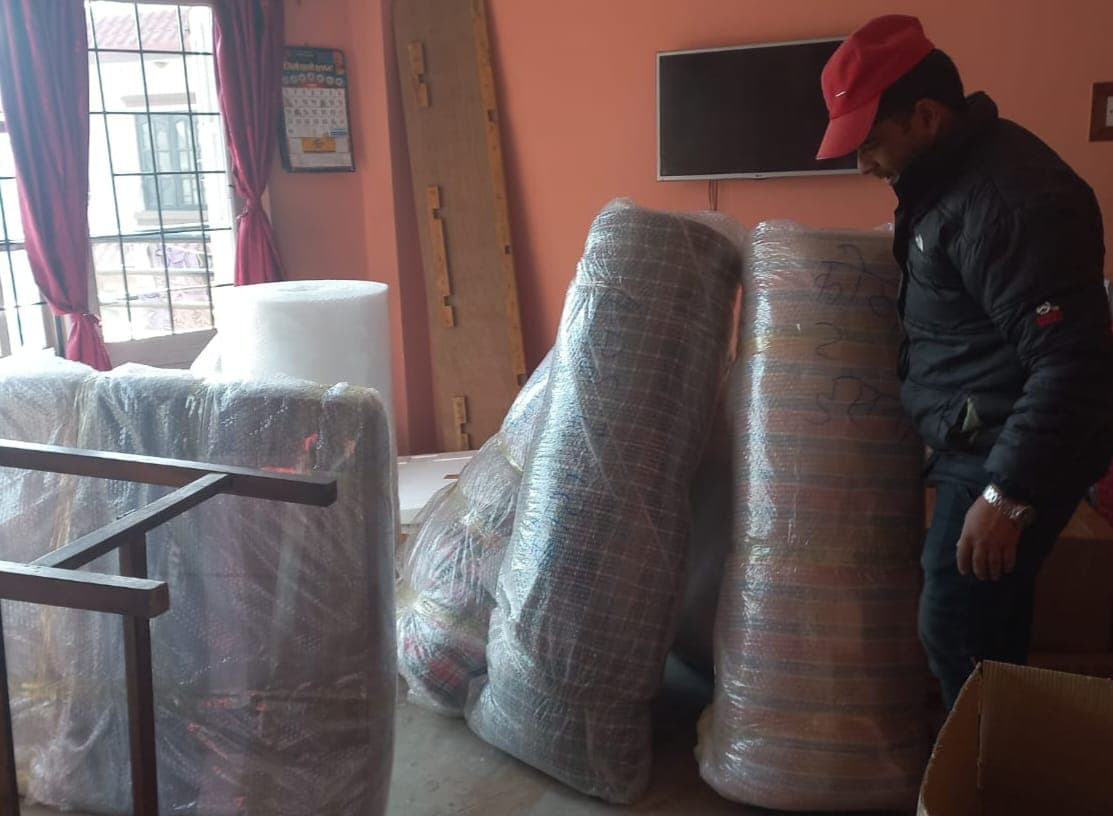
Kathmandu Valley isn't one city pretending to be several — it's genuinely three: Kathmandu, Lalitpur (Patan), and Bhaktapur, stitched together by a Ring Road and a shared bowl of hills, but each with its own character, price level, and rhythm. That's exactly why "where should I live in Kathmandu" doesn't have one answer. A neighborhood that's perfect for a young professional who wants nightlife and a short commute can be the wrong choice entirely for a family prioritizing a quiet street and a good school run, and both of those are different again from what a returning NRN comparing apartment investments should weigh.
This guide breaks the Valley down by area, with realistic 2026 rent ranges, the practical infrastructure differences that actually affect daily life (water, power, internet, traffic), and a straightforward way to match a neighborhood to your own situation — whether that's a family, a single professional, a student, or someone relocating from abroad.
| Area | Best For | Vibe | Typical Rent (2BR, furnished) | Commute/Access |
|---|---|---|---|---|
| Naxal / Lazimpat / Baluwatar | Diplomats, senior professionals, families | Upscale, embassy district, tree-lined | NPR 60,000–150,000+ | Central, but traffic-heavy at peak hours |
| Maharajgunj | Families, medical professionals | Institutional, near hospitals/universities | NPR 40,000–90,000 | Good access to Ring Road and north Kathmandu |
| Jhamsikhel / Sanepa / Kupondole (Lalitpur) | Expats, remote workers, creatives | Café culture, walkable, artsy | NPR 45,000–110,000 | Well-connected to central Kathmandu via bridges |
| Baneshwor / New Baneshwor | Young professionals, business commuters | Busy, commercial, mixed-use | NPR 30,000–70,000 | Very central; heavy traffic |
| Koteshwor / Tinkune | Airport-proximity workers, logistics/business | Commercial, congested | NPR 25,000–55,000 | Close to airport and Araniko Highway |
| Budhanilkantha / Maharajgunj-north | Families with school-age kids, quiet-seekers | Green, hillside, residential | NPR 35,000–85,000 | Farther from center; less traffic |
| Bhaisepati / Sainbu (Lalitpur) | Value-focused families, newer construction | Suburban, developing | NPR 25,000–55,000 | Growing road infrastructure, some distance from core |
| Kalanki / Kalimati / Balkhu | Budget renters, students, factory/logistics workers | Congested, transit hub | NPR 15,000–35,000 | Major traffic bottleneck, but well-served by public transport |
| Kapan / Sitapaila / Swayambhu area | Budget-conscious professionals and students | Developing, mixed residential | NPR 15,000–35,000 | Improving connectivity, still developing infrastructure |
| Boudha / Chabahil | Spiritual/cultural interest, budget-to-mid renters | Buddhist community, calm mornings | NPR 20,000–50,000 | Reasonable access to Ring Road east side |
| Bhaktapur / Thimi | Heritage lovers, budget renters, longer commuters | Traditional, slower-paced | NPR 12,000–30,000 | Farthest from central Kathmandu; own local economy |
These figures are 2026 market ranges pulled together from current rental listings across the Valley, and they move with the specific building, floor, furnishing level, and negotiation — treat them as a planning baseline, not a quote. Overall valley-wide rents have risen roughly 5–8% since 2024, so budget a little above what a friend may have paid a year or two ago.
A few structural facts about the Valley shape almost every neighborhood decision:
This cluster in northern-central Kathmandu is where most embassies, five-star hotels, and senior diplomatic or corporate housing concentrate. Wide, tree-lined streets, relatively reliable utilities, and walkable access to Thamel and New Road make it the default choice for professionals who want convenience without compromise.
The trade-off is cost and traffic. Rents here run well above the Valley average, and peak-hour congestion around Lazimpat Road and Maharajgunj can be significant despite the area's otherwise calm feel. Maharajgunj specifically also benefits from proximity to major hospitals (Teaching Hospital, Norvic) and several universities, making it a practical choice for families and medical professionals alike.
Just across the Bagmati River from central Kathmandu, this stretch of Lalitpur has become the Valley's most café-dense, walkable neighborhood cluster, and it's consistently named among the most popular areas for expats and remote workers. Jhamsikhel in particular has a genuine coworking and creative scene, several international-standard restaurants, and a noticeably calmer street atmosphere than equivalent central Kathmandu neighborhoods.
Pulchowk adds an academic dimension (Pulchowk Engineering Campus) and slightly more affordable options than Jhamsikhel proper. The whole cluster connects to central Kathmandu via a handful of bridges, which can bottleneck at peak hours, but daily life within the area itself is genuinely walkable — a rarity in the Valley.
This corridor along the eastern part of the Ring Road is Kathmandu's commercial spine — dense with offices, banks, and mixed-use buildings, and increasingly popular with young professionals who want a short commute to business districts without paying Naxal-level rent. New Baneshwor in particular has seen a wave of newer apartment construction aimed at this exact demographic.
Koteshwor and Tinkune add proximity to Tribhuvan International Airport and the Araniko Highway, useful if you travel frequently or work in logistics, but both are also among the Valley's most congested junctions during commute hours. If you choose this area, factor traffic timing into your daily routine rather than assuming map distance translates directly into commute time.
For families prioritizing space, air quality, and a slower pace, the northern edge of the Valley around Budhanilkantha is consistently recommended. It sits higher and cooler than the valley floor, has several well-regarded private schools nearby, and offers noticeably more greenery and open space than the denser central neighborhoods.
The trade-off is distance — a daily commute into central Kathmandu or Lalitpur from Budhanilkantha takes meaningfully longer than from Naxal or Baneshwor, especially during peak hours. This area suits people who can accept a longer commute (or who work from home) in exchange for a quieter home base, more than it suits someone needing a short daily trip to a central-Kathmandu office.
On Lalitpur's southern edge, this belt of newer, still-developing neighborhoods has become the go-to answer for renters who want a semi-furnished house or a larger apartment at a price central Kathmandu simply can't match. Newer construction here often comes with parking and a bit more breathing room between buildings than the older, denser core.
Road infrastructure and public transport options are improving but remain less developed than in established central areas, so a private vehicle or a longer bus commute is a realistic part of choosing this side of the Valley.
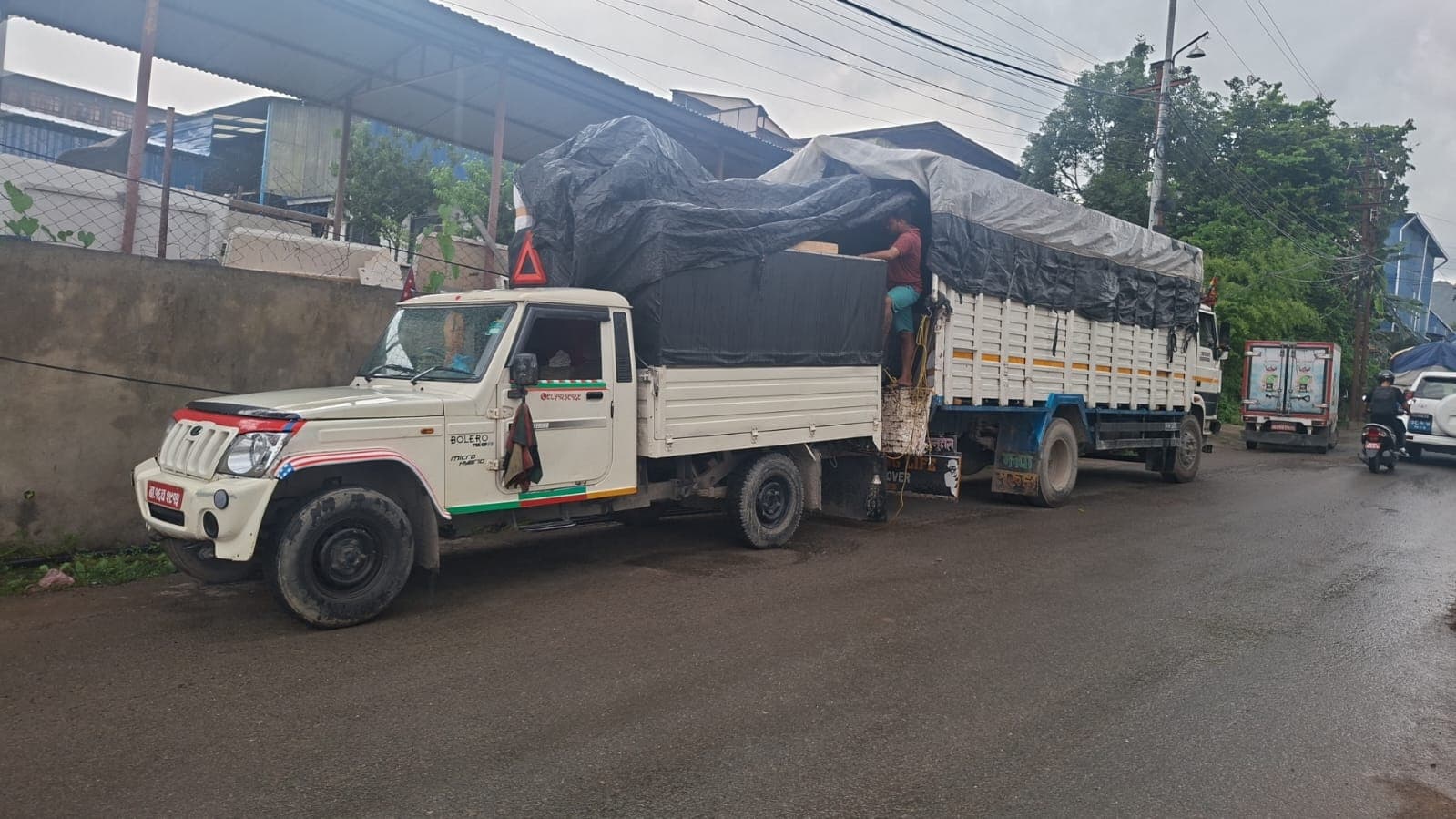
These western Kathmandu neighborhoods offer some of the Valley's lowest rents, driven partly by their role as major transport junctions rather than purely residential enclaves. That transit-hub status cuts both ways: public transport connections are genuinely good, but road congestion, noise, and air quality are correspondingly worse than in quieter areas.
This cluster tends to suit students, single renters on a tighter budget, or anyone whose daily commute runs directly through this corridor anyway.
North and northwest Kathmandu's Kapan and Sitapaila areas have seen steady new apartment construction aimed at budget-conscious professionals who still want reasonable access to the city center. Prices sit below the central average, and the areas are gradually gaining better road connections and local amenities, though infrastructure here is still catching up to more established neighborhoods.
Boudha, centered on the massive Boudhanath Stupa, is the heart of Kathmandu's Tibetan Buddhist community — genuinely calm mornings, a strong sense of community, and reasonable rents relative to its cultural cachet, making it popular with both long-term expats and Nepali renters who want a quieter, more traditional daily rhythm than the city center offers.
Bhaktapur, a fully separate municipality at the Valley's eastern edge, offers the most dramatically different experience: a well-preserved medieval city core, noticeably lower rents than Kathmandu or Lalitpur, and a slower pace of life — at the cost of a longer commute if your work or social life is centered in central Kathmandu. Thimi, between Kathmandu and Bhaktapur, splits the difference on both price and distance.
| Apartment Type | Budget Areas (Kalanki, Kapan, Bhaktapur) | Mid-Range Areas (Baneshwor, Koteshwor, Chabahil) | Premium Areas (Naxal, Jhamsikhel, Lazimpat) |
|---|---|---|---|
| Studio / 1-room flat | Under NPR 15,000 | NPR 15,000–25,000 | NPR 25,000–40,000 |
| 1 Bedroom (unfurnished) | NPR 12,000–20,000 | NPR 20,000–35,000 | NPR 35,000–60,000 |
| 2 Bedroom (furnished) | NPR 20,000–35,000 | NPR 30,000–55,000 | NPR 60,000–110,000 |
| 3 Bedroom (furnished) | NPR 30,000–50,000 | NPR 45,000–80,000 | NPR 90,000–180,000+ |
| Security deposit norm | 1–2 months' rent | 2 months' rent | 2–3 months' rent |
As a general rule, the largest single segment of the rental market valley-wide sits in the NPR 20,000–35,000 band for a standard 1-bedroom or small 2-bedroom flat — useful to keep in mind if listings you're seeing look unusually high or low for the area.
Beyond price and vibe, a handful of practical infrastructure factors matter more for day-to-day comfort than most area guides mention.
Electricity has genuinely improved. Kathmandu Valley has been free of the scheduled, hours-long daily load-shedding that defined city life through the mid-2010s, following Nepal Electricity Authority's expansion of hydropower supply. Short, localized outages still happen — typically planned maintenance or cable work affecting a specific feeder area for a few hours — but the days of a fixed daily blackout schedule are behind the Valley for now.
Water supply is more mixed. Even with the Melamchi Drinking Water Project delivering additional water to parts of the Valley since 2021, supply has been repeatedly disrupted by monsoon flooding and landslide damage to the source tunnel in Sindhupalchok district, and municipal water still doesn't reach every household on a fully reliable daily schedule. In practice, most apartments and buildings across the Valley supplement KUKL municipal supply with a private underground tank, a rooftop tank filled by pump or tanker delivery, or a mix of both — ask specifically about the building's water source and tank capacity before signing a lease, rather than assuming municipal supply alone will be sufficient.
Internet and fiber broadband are widely available across central and most peri-urban areas, with several private ISPs now offering fiber-to-home connections even in newer suburban developments like Bhaisepati and Sitapaila — a genuine improvement over just a few years ago, though it's still worth confirming fiber (rather than only ADSL or wireless) availability at a specific address before committing, particularly in the newest developing areas.
Earthquake safety is a legitimate consideration given the 2015 Gorkha earthquake. Buildings constructed or retrofitted after 2015 are generally built to updated National Building Code standards, and it's reasonable to ask a landlord directly whether the building has any earthquake-resistance certification or retrofit history, particularly for older structures in the denser central neighborhoods.
Renting in the Valley follows a fairly consistent pattern regardless of which area you choose:
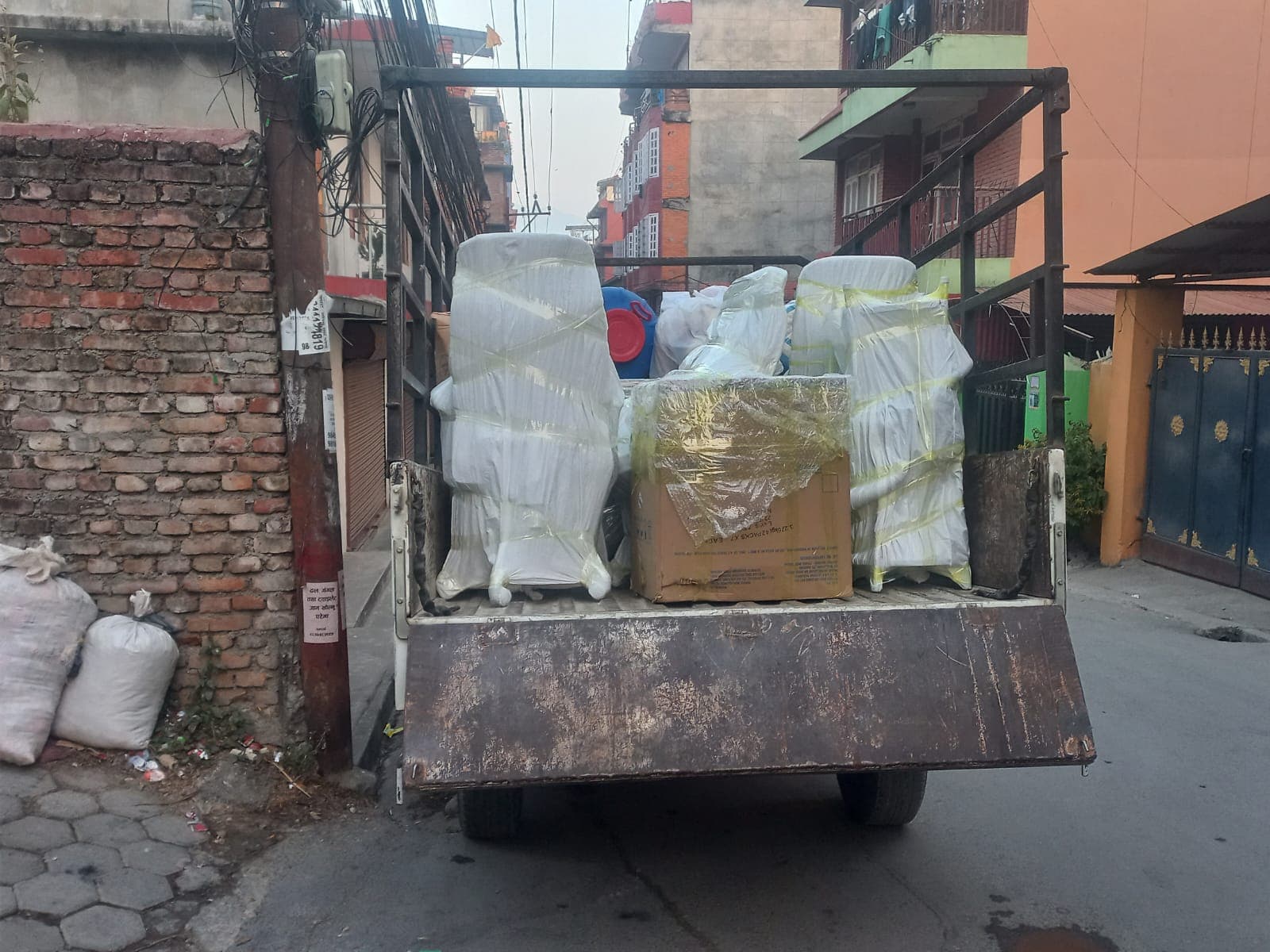
Because the three municipalities are functionally separate cities sharing one valley, it's worth zooming out from individual neighborhoods and comparing them at the city level first.
Kathmandu Metropolitan City is the largest, densest, and most commercially dominant of the three — the default choice if your work, government business, or social life is centered on the city core, but also where traffic, air quality, and rent pressure are most acute.
Lalitpur Metropolitan City (Patan) offers a genuinely different character within a short distance of Kathmandu: a stronger heritage-preservation feel in its old core, the Valley's most concentrated expat and creative scene around Jhamsikhel, and generally somewhat calmer streets than equivalent central Kathmandu areas, at a broadly comparable rent level for similar-quality units.
Bhaktapur functions almost like its own smaller town rather than a Kathmandu suburb — a well-preserved medieval core, its own local economy and pace of life, and consistently the lowest rents of the three municipalities. It suits people who value that distinct character and can accept a longer commute if their work is centered in Kathmandu or Lalitpur proper, or who work locally and don't need that commute at all.
None of these is objectively "better" — the right choice depends on whether you're optimizing for commute time, cost, cultural character, or some balance of all three, which is exactly why starting with the city-level comparison before narrowing to a specific neighborhood tends to save time later in the search.
Timing your search has a real effect on both selection and negotiating leverage:
Once you've picked an area, the move itself has a few Valley-specific realities worth planning around regardless of destination:
A company like Nepal City Packers and Movers that runs a dedicated apartment moving service alongside general room shifting in Kathmandu is worth checking specifically for how they handle these building-access realities — a mover with real apartment-relocation experience should ask about lift access, loading restrictions, and floor count as a matter of course, not as an afterthought.
Our house-shifting checklist covers the packing and planning side in more depth, and our branch locator is a reasonable way to check for local coverage in whichever part of the Valley you're moving to. If your new building needs a water tank cleaned or the unit needs a deep clean before move-in, our water tank cleaning and house cleaning services cover exactly that gap, and our guide on what to do right after moving in is a useful next step once the boxes are actually inside.
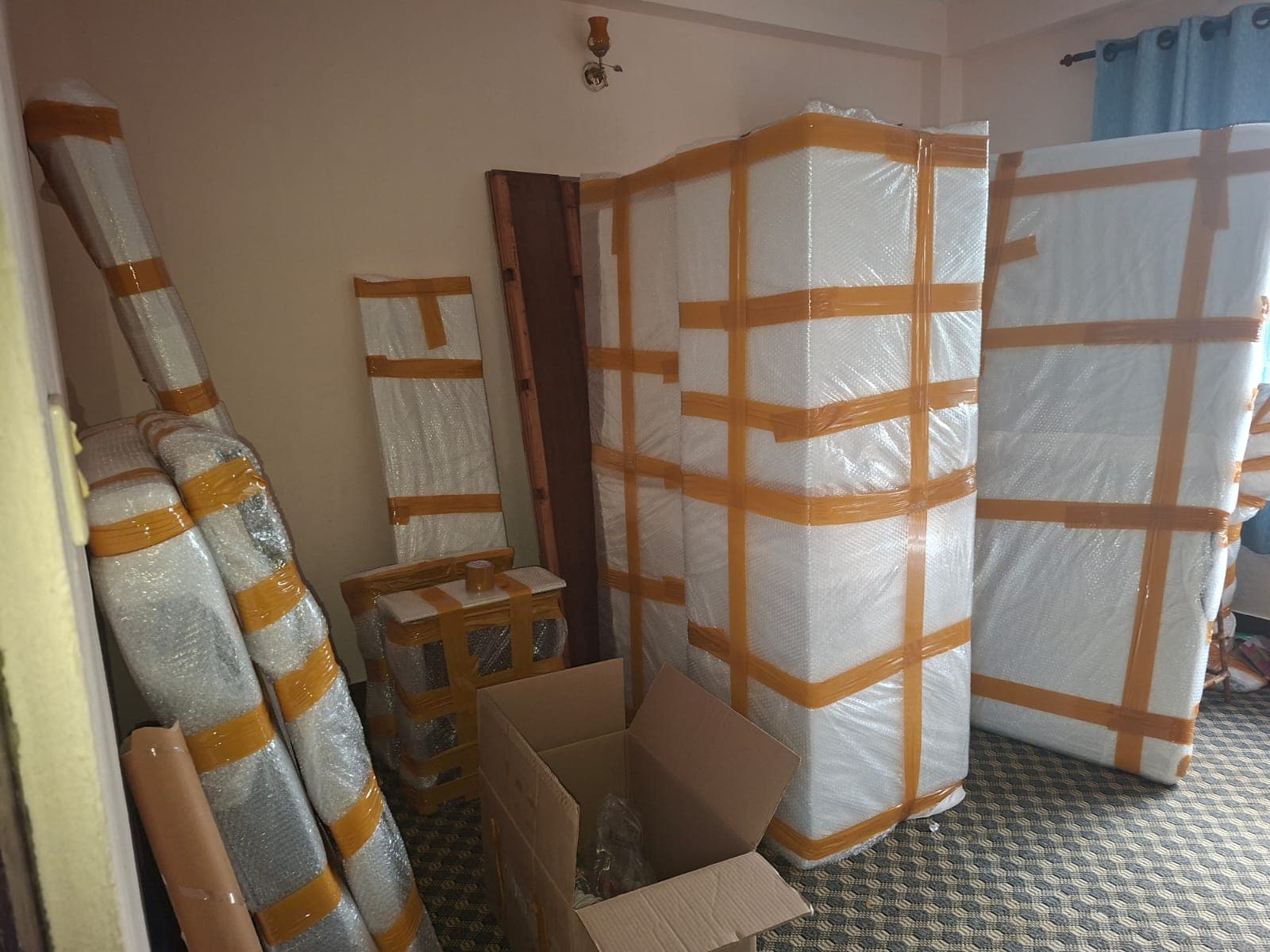
1. What is the best area to live in Kathmandu Valley for families?
Budhanilkantha, Maharajgunj, and the Jhamsikhel/Sanepa cluster in Lalitpur are generally the strongest choices for families, offering proximity to established schools, more green space, and a calmer residential feel than the busiest commercial corridors.
2. Which area is most popular with expats in Kathmandu?
Jhamsikhel, Sanepa, and Patan (Lalitpur) are consistently the most popular areas for expats, thanks to their café culture, coworking spaces, and walkable streets, with Boudha a close second for those drawn to its Buddhist community and calmer pace.
3. What is the average rent for a 2-bedroom apartment in Kathmandu Valley?
It varies significantly by area — roughly NPR 20,000–35,000 in budget areas like Kalanki or Kapan, NPR 30,000–55,000 in mid-range areas like Baneshwor or Koteshwor, and NPR 60,000–110,000 or more in premium areas like Naxal or Jhamsikhel.
4. Is Kathmandu's water supply reliable?
It's improved but still inconsistent. Even with Melamchi water reaching parts of the Valley, monsoon-season disruptions to the source tunnel have repeatedly interrupted supply, so most buildings rely on a private storage tank supplemented by tanker delivery or groundwater boring rather than municipal water alone.
5. Does Kathmandu still have load-shedding (scheduled power cuts)?
No, not in the way it did through the mid-2010s. Increased hydropower supply has kept Kathmandu Valley free of scheduled daily blackouts for several years, though short, localized outages for maintenance or cable work still occur occasionally.
6. How much is a typical security deposit when renting an apartment?
Most landlords ask for one to two months' rent as a security deposit, though premium properties sometimes ask for up to three months. Always confirm the refund terms in writing before paying.
7. What notice period is required to end a rental agreement in Kathmandu?
A standard 35 days' written notice is the general expectation from either the landlord or tenant, though this should always be confirmed explicitly in your written tenancy agreement rather than assumed.
8. Which areas have the worst traffic in Kathmandu Valley?
Kalanki, Koteshwor, Chabahil, and Gongabu are consistently the most congested points in the Valley, since they sit where major highways and Ring Road traffic converge.
9. Are newer apartment buildings in Kathmandu earthquake-safe?
Buildings constructed or retrofitted after the 2015 Gorkha earthquake are generally built to updated National Building Code standards, but it's still worth asking a landlord directly about a specific building's construction date and any retrofit history, especially for older structures in the denser central neighborhoods.
10. What's the cheapest area to rent an apartment in Kathmandu Valley?
Kalanki, Kalimati, Kapan, and Bhaktapur consistently offer the lowest rents in the Valley, though they trade off some combination of central access, traffic congestion, or distance from the city core.
11. Should I choose an apartment based on rent alone?
No — factor in commute time and cost, water reliability, and building access (lift availability, lane width) alongside rent, since a cheaper apartment in a poorly connected area can end up costing more in time and transport expense than a slightly pricier, better-located option.
12. Is it better to live inside or outside the Ring Road?
It depends on your priorities. Inside the Ring Road generally means shorter commutes and more amenities within walking distance, but denser traffic and higher rents. Outside the Ring Road areas like Budhanilkantha or Bhaisepati offer more space and quieter streets, at the cost of a longer commute into the center.
13. Do I need to register my address with the local ward office after moving?
In many cases, yes, particularly for longer-term stays — the exact requirement varies by municipality and ward, so confirm directly with your landlord or the relevant ward office rather than assuming it's optional.
14. How do apartment moving challenges differ across Kathmandu Valley neighborhoods?
Older, denser areas like Kalanki and central Kathmandu are more likely to have no-lift buildings and narrow lane access requiring goods to be carried the final stretch, while newer complexes in areas like Bhaisepati or New Baneshwor often have their own loading area rules and move-in scheduling requirements set by building management.
Rent figures and infrastructure details in this guide reflect the general 2026 Kathmandu Valley market and publicly available utility information. Prices vary by specific building, floor, and furnishing level, and utility conditions can change — always confirm current rent, deposit terms, and water/power reliability directly with the landlord and building management before signing an agreement.

Nepal City Packers and Movers
Share:
Explore Our Range of Moving & Logistics Services

Experience fast and reliable domestic and international courier services with Nepal City Packers and Movers. Secure delivery for all your packages, locally and globally!

Explore additional services by Nepal City Packers and Movers, including loading, unloading, parking assistance, and more. Tailored solutions for all your needs!

Explore reliable two-wheeler transport services by Nepal City Packers and Movers. Safe, secure, and timely bike transportation locally or across Nepal. Contact us today!
 Nepal City Packers and Movers - Banepa, Kavre
 Top Packers and Movers - Bouddha, Kathmandu
 Professional Packers and Movers - Balaju, Kathmandu
 Reliable and Affordable Packers and Movers - Baluwatar, Kathmandu
 Top-Rated Packers and Movers - Maharajgunj, Kathmandu
 Leading Packing and Moving Service | Nepal City Packers and Movers - Durbarmarga, Kathmandu
 Nepal city packers and movers - Lalitpur, Nepal
 Nepal City Packers and Movers - Thimi, Bhaktapur
 Reliable Packers and Movers - Kupandole, Lalitpur
 Affordable and Reliable Packers and Movers - kalanki, Kathmandu