
Loading…
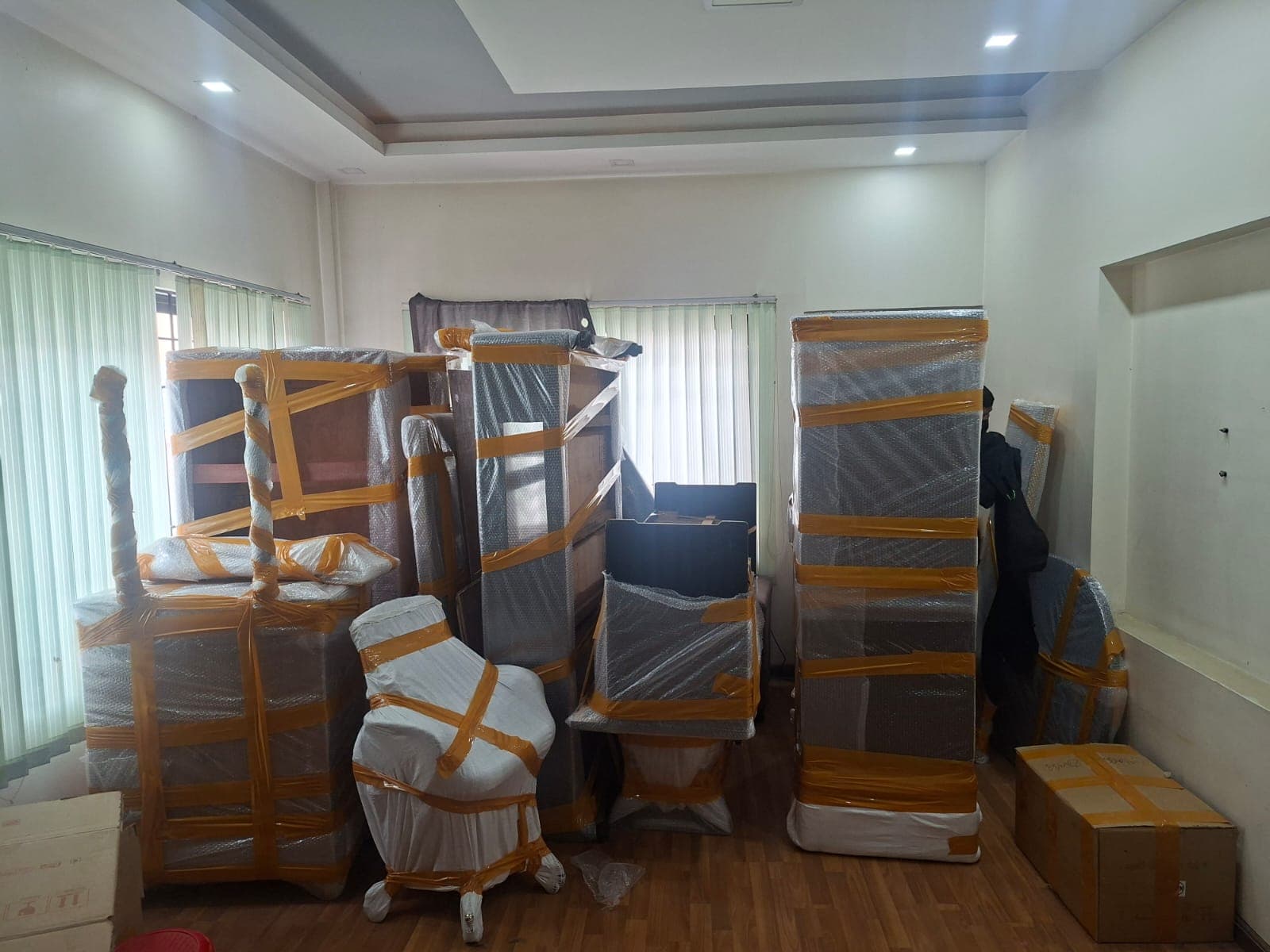
Ask five people in Kathmandu what they paid to shift a single room and you'll probably get five different answers, each delivered with total confidence. One paid for a small vehicle and two helpers. Another paid for packing as well. A third moved on a rainy Saturday during festival season, up four flights of stairs, and still can't quite explain the bill. None of them is lying, and none of them is wrong. That's the real reason room shifting charges in Kathmandu are so hard to pin down: the price isn't a single number, it's the sum of a handful of variables that change from one move to the next.
This guide is the practical version of that explanation. Instead of throwing out a rupee figure that will be out of date by the time you read it, it breaks down exactly what goes into a room shifting quote in the valley, which factors push the price up or down, how to compare two quotes fairly, what hidden charges to watch for, and how to bring the total down without cutting corners on the things that actually protect your belongings. By the end, you should be able to look at any quote and know what you're paying for, and why.
If you only have a minute, here is how room shifting charges in Kathmandu are actually decided. Almost every quote comes down to the same seven things:
A tiny move with a light load, one floor, and a short distance sits at the low end. A larger load, a long carry, a fifth-floor walk-up, and a Dashain-week booking sits at the other. Everything else is detail on top of these seven, and the sections below take them one at a time.
One honest note before going further: published rate figures for moving services go stale quickly, because fuel costs, labour costs, and demand all shift. Rather than hand you a number that could mislead you, this guide shows how a quote is built and leaves the final figure to a written estimate based on your actual move. That's also the only kind of number worth trusting.
Most reputable movers price a room shift by adding up a small number of building blocks. Some present it as one all-in figure, others show it line by line, but the logic underneath is similar. The table below is the closest thing to a "price list" that holds true across companies, because it shows what each part of the bill covers and what makes it grow.
| Cost Component | What It Covers | What Pushes It Higher | Worth Asking |
|---|---|---|---|
| Vehicle / transport | The vehicle and driver for the trip | Larger vehicle, longer distance, return-trip time | Which vehicle size is included? |
| Labour / loading crew | Helpers who load, carry, and unload | More helpers, more floors, longer carrying distance | How many people are on the crew? |
| Packing materials | Cartons, tape, wrapping, bubble wrap, blankets | More fragile items, more boxes, full packing by the crew | Are materials included or extra? |
| Packing labour | Time spent wrapping and boxing items | Doing a full pack instead of a self-pack | Is packing separate from loading? |
| Dismantling & reassembly | Taking apart and rebuilding beds, wardrobes, shelves | Complex or large furniture | Is this included in the quote? |
| Appliance handling | Safely moving fridges, washing machines, ACs | Heavy items, fragile parts, technician needs | Is disconnection and reconnection included? |
| Stairs / access surcharge | Extra effort for walk-ups and tight access | Many floors, no lift, narrow lanes | How are floors counted? |
| Waiting / delay time | Time lost if access, keys, or parking isn't ready | Late starts, delays at either end | When does waiting time begin to cost extra? |
| Insurance or protection | Cover for damage or loss in transit | Higher-value items | Is any cover offered, and in writing? |
If a quote arrives as one lump sum with no breakdown, it's worth asking the mover to split it into at least vehicle, labour, and materials. A company that can't explain its own number is a company to be careful with.
The vehicle is usually the largest single line in a room shifting quote, and it's also the place where people either overpay or underpay. Overpay, because a bigger vehicle than needed was sent. Underpay, because a vehicle too small was quoted, then a second trip appeared on the day.
For a typical single room, the load is small: a bed or mattress, a small wardrobe or trunk, a table, a few cartons of clothes and kitchen items, perhaps a small fridge or a gas stove. That kind of load can fit a smaller vehicle, whereas a full 1BHK flat, with a sofa, a bigger bed, a refrigerator, and a washing machine, may need something larger or even two trips.
Kathmandu Valley adds a complication that doesn't show up in a simple "small, medium, large" chart: access. Many older neighbourhoods in Kathmandu, Patan, and Bhaktapur have lanes too narrow for a larger vehicle to enter. A mover may need to park on the main road and carry everything on foot to your door, which turns a transport problem into a labour problem and changes the price. If you're unsure which size suits your load, the guide on what vehicle you need for room shifting walks through the options in plain terms.
A useful rule of thumb: tell the mover your building access before they quote. Say whether the lane fits a vehicle, how far the parking spot is from your door, and whether there's a lift. Quotes given without this information are guesses, and guesses tend to be corrected upwards on moving day.
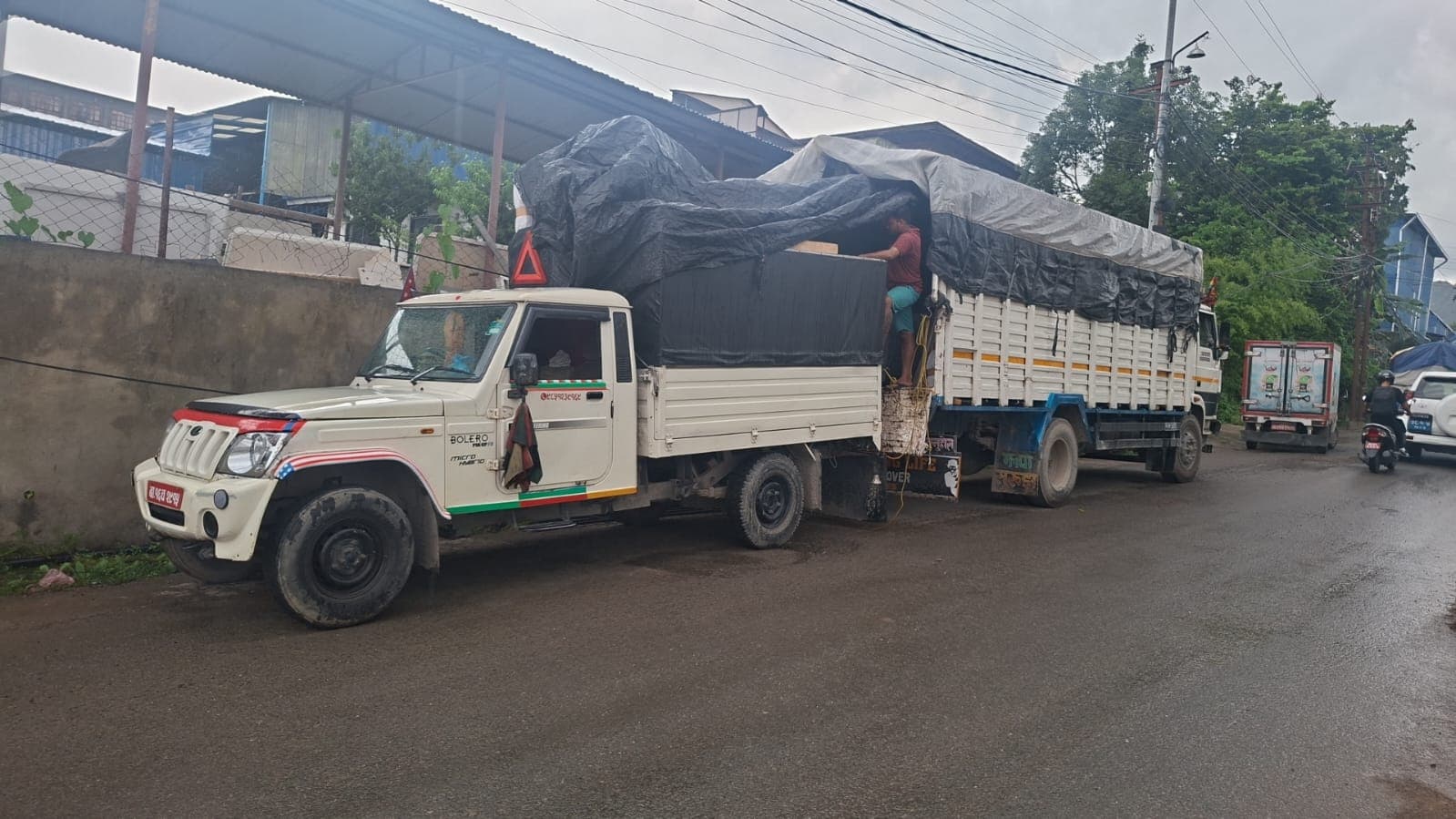
Distance affects room shifting cost in Kathmandu in two ways. The obvious one is fuel and driver time. The less obvious one is the time the vehicle is tied up. A move from Baneshwor to Koteshwor is short on the map, but a move across the valley, say from Kirtipur to Bhaktapur, takes the vehicle and crew out of circulation for much longer, and that time is part of what you're paying for.
Fuel is also a real input. Transport costs in Nepal respond to fuel price revisions: after the Nepal Oil Corporation raised fuel prices on one past occasion, Bagmati Province announced fare hikes for public vehicles, showing how directly fuel costs flow into transport pricing. Goods vehicles are priced separately from public passenger fares, but the underlying logic is the same, which is one reason a quote from a few months ago may not match one you get today.
Traffic matters too. Kathmandu's congestion is predictable in some places, such as Kalanki, Koteshwor, Chabahil, and parts of the Ring Road at peak hours, and a mover who plans the route and the timing around it saves everyone time. A move starting at 8 a.m. to avoid the afternoon crush is often smoother than one starting at noon.
This is the factor most people forget to mention, and the one that most often changes the final bill. Carrying a wardrobe down one flight of stairs is a short job. Carrying it down five flights with a turn on every landing is a very different one.
Three things matter here:
When you ask for a quote, give the floor number for both the old and new room. Many people only mention the room they're leaving and forget that the new place might be on the fourth floor with no lift.
Labour is the second big component after the vehicle. A single room with light belongings may need only a small team, while a heavier or multi-floor move needs more hands to finish in reasonable time and to carry safely.
More helpers cost more, but they also shorten the job and reduce the risk of dropped furniture and strained backs. The cheapest-looking quote is sometimes the one with too few people, which leads to a longer day, tired helpers, and more mistakes. Ask how many people will come and what each one is responsible for, and avoid assuming the driver will help load, because that isn't always part of the arrangement.
If you're comparing quotes, compare crew size as carefully as price. Two quotes that look identical on paper can differ a lot in what you actually get on the day.
Packing is where room shifting charges in Kathmandu start to vary most between movers, because it can be done at three levels:
Cartons, tape, bubble wrap, and moving blankets all cost money, so check whether they're included or billed separately. The best protection for fragile items is proper wrapping and a snug fit in the box, so there's no room to shift in transit. The guide on how to pack fragile items safely for shifting is worth reading before you decide how much to pack yourself and how much to hand over.
Beds, wardrobes, shelves, and study tables often need to be taken apart to fit through doors and stairwells, then put back together at the new room. That work takes time and the right tools, so it's either part of the quote or billed separately. Ask which.
Appliances are the other category that changes the price. A small fridge, a washing machine, or an air conditioner can't simply be lifted and carried like a box. Fridges and washing machines need to be secured and transported upright or in the manner their manufacturers recommend, and an AC usually needs its gas, indoor unit, and outdoor unit handled properly rather than just unscrewed from the wall. Disconnection and reconnection may need a technician, and that cost isn't always inside a standard room shifting quote. The guide on moving refrigerators, washing machines, and ACs safely explains what handling these properly involves, and why it's worth confirming how the mover will manage them before the day.
Two identical room moves can be priced differently purely because of when they happen.
Dashain and Tihar fall roughly between September and November, and many families prefer to settle into a new place before the festivals. Demand for vehicles and crews rises, availability tightens, and short-notice bookings can cost more. If you can move outside this window, you'll often have more room to choose.
Monsoon season, roughly June to September, adds weather risk. Rain on a moving day means extra protection for mattresses, electronics, and cartons, and it can slow loading, especially on narrow, slippery lanes. Ask how the mover covers belongings in the rain.
Day and time of day matter as well. Weekends and the last days of a month tend to be busier because many tenancies begin and end around then, so a weekday booking may be easier to schedule. Mornings usually beat afternoons because traffic is lighter and daylight is on your side.
For a fuller look at how the calendar affects moving decisions, the guide on the best time of year to move in Nepal is a useful companion to this one.
Because actual rupee figures change, a relative comparison is more reliable than a number. The table below shows how different kinds of moves compare in effort and, therefore, in cost. It's meant to help you place your own move on the scale before you ask for quotes.
| Type of Move | Typical Load | Vehicle Need | Crew Need | Relative Cost |
|---|---|---|---|---|
| Single room, light (student or solo worker) | Bed or mattress, a few cartons, small items | Small vehicle | Small crew | Lowest |
| Single room, furnished | Bed, wardrobe, table, cartons | Small to medium vehicle | Small to medium crew | Low |
| Shared room or two rooms | Furniture for two people, more cartons | Medium vehicle | Medium crew | Low to moderate |
| 1BHK flat | Furniture, kitchen, a fridge or washing machine | Medium vehicle, possibly two trips | Medium crew | Moderate |
| 2BHK flat | Fuller household, more appliances | Larger vehicle or multiple trips | Larger crew | Higher |
| Any of the above with stairs and narrow lane | Same load, harder access | Possibly a smaller vehicle plus carrying | More labour | Higher than the same move with easy access |
The last row is the one people underestimate. Access can move a cheap job into a mid-priced one without a single extra box being added.
For context on how the wider market frames moves, eSewa's Ghar Sarai service, introduced in partnership with Upaya for the Kathmandu Valley, lets customers choose from categories such as 1BHK, 2BHK, flat, or house moving. That kind of categorisation reflects the same logic described above: the size of the household drives the vehicle and labour needed. When your move is bigger than a single room, the flat shifting service is the more fitting option.
Most disputes over moving bills trace back to charges that weren't discussed at the start. These are the ones worth raising before you agree to anything:
The best defence is simple: ask for a written quote that lists what's included and what isn't, and confirm by message or in writing that the price won't change unless the scope changes. If a mover resists putting anything in writing, treat that as information. The guide on how to spot an unreliable mover in Nepal covers these warning signs in depth, including what to do if a price changes after loading starts.
A quote is only as good as the information behind it. Before you contact any mover, gather these details:
Photos or a short video of your room make it much easier for a mover to estimate honestly. Then get quotes from at least two or three companies and compare them on the same terms. The worksheet below makes that easy.
| Comparison Point | Mover A | Mover B | Mover C |
|---|---|---|---|
| Total quoted price | |||
| Vehicle size included | |||
| Number of crew | |||
| Packing materials included? | |||
| Dismantling / reassembly included? | |||
| Stairs or carrying surcharge? | |||
| Advance required | |||
| Written quote provided? | |||
| Damage / loss policy |
If one quote is far lower than the rest, don't assume you've found a bargain. Ask what's missing from it.
You can lower the bill without lowering the quality, mostly by making the job easier for the crew.
Cutting corners the wrong way costs more in the end. Skimping on packing for fragile items, or choosing a crew too small to handle the load safely, tends to turn savings into repair bills. The article on room shifting mistakes to avoid lists the errors that most often cost people money and time.
Low price and good value aren't the same thing. A quote far below the others can mean a smaller crew than the job needs, a vehicle that won't fit everything, no materials, or a plan to add charges later. It can also mean a company with no fixed address, no bill, and no accountability if something breaks.
A few checks help separate an honest low price from a trap:
If a dispute does arise over a service that wasn't delivered as promised, Nepal's Department of Commerce, Supplies and Consumer Protection runs an online consumer complaint system where complaints about goods and services can be registered. It's far better to avoid the dispute by getting everything in writing first, but it's useful to know the channel exists.
Numbers go out of date, but reasoning doesn't. These three imagined moves show how the same factors produce very different bills, and they're a handy way to sanity-check your own quote.
Move one: a student leaving a rented room in Kirtipur for a room in Baneshwor. The load is light: a mattress, a trunk, a few cartons, a small study table. The distance is moderate and the lane at the old room is narrow, so the vehicle stops on the road and the crew carries the load a short way. This is a low-end job, with the main cost drivers being the vehicle and a small crew. Dismantling is minimal, and nothing needs special handling.
Move two: two flatmates shifting from a second-floor room in Lalitpur to a fourth-floor room in Kathmandu with no lift. The load is bigger, with two beds, a wardrobe, a small fridge, and many cartons. The new place is on a high floor with no lift, so the carrying effort roughly doubles on arrival. Here the cost rises because of labour and stairs, not because of distance. A quote that ignores the fourth floor will almost certainly be revised on the day.
Move three: a couple shifting a furnished 1BHK during the weeks before Tihar. Furniture, a washing machine, a fridge, and a full kitchen mean a bigger vehicle, possibly two trips, and a larger crew. Demand is high, so availability is limited and prices can be firmer. This job benefits most from booking early, from a written inventory, and from agreeing in advance how the appliances will be handled.
Notice what changed between the three: not one magic variable, but a different mix of the same seven. That's the pattern behind almost every room shifting cost in Kathmandu.
A fair moving transaction should leave a clear paper trail, even for a small job. A few practical points:
Small preparations the day before can prevent most of the delays that add cost.
Doing this well makes the day shorter, and a shorter day is almost always a cheaper one.
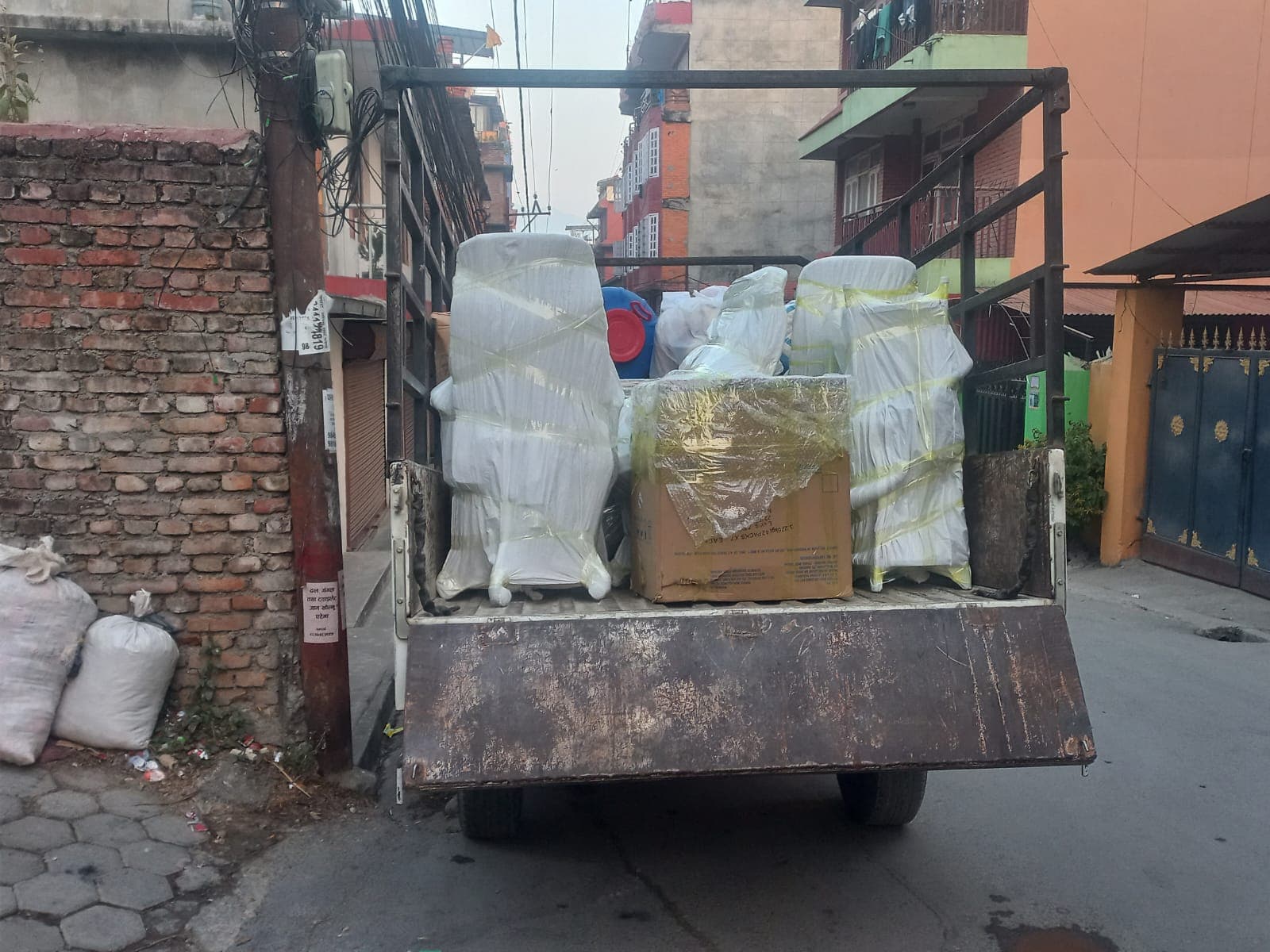
Nepal City Packers and Movers handles room shifting across Kathmandu, Lalitpur, and Bhaktapur, from single-room moves for students and young professionals to larger flat relocations. You can see how the service is set up on the room shifting services in Kathmandu page.
To get an estimate based on your actual move rather than a generic range, it helps to share the details listed earlier: both locations, floor numbers, access, a rough list of belongings, and your preferred date. The more precise you are, the more precise the quote can be. And as with any mover, it's reasonable to ask for the quote in writing and to ask what's included before you confirm.
Room shifting charges in Kathmandu don't come from a secret formula. They come from the vehicle, the distance, the stairs, the crew, the packing, and the timing, added together honestly. When you understand those pieces, a quote stops being a mystery and becomes something you can read, question, and compare.
Give every mover the same information, ask for the same breakdown, watch for the charges that tend to appear late, and treat an unusually low price as a question rather than a prize. Do that, and the number on the final bill will rarely surprise you.
1. How much does room shifting cost in Kathmandu?
There isn't one fixed price, because the cost depends on the vehicle, distance, floors, crew, packing, and timing. The reliable way to get a figure is a written quote based on your actual move, ideally from two or three movers.
2. What factors affect room shifting charges in Kathmandu the most?
Vehicle size, the number of helpers needed, the number of floors and carrying distance, and the volume of belongings usually have the biggest effect. Packing level and timing add to it.
3. Is room shifting cheaper than flat shifting?
Generally yes, because a single room usually means a smaller load, a smaller vehicle, and a smaller crew. A flat with more furniture and appliances needs more of each.
4. Do movers charge extra for stairs?
Many do, especially when there is no lift and the building has several floors. Always confirm how floors are counted and whether a stairs surcharge is already included.
5. Are packing materials included in the quoted price?
It depends on the mover. Some include basic materials, while others bill cartons, tape, and wrapping separately. Ask for this to be stated clearly in the quote.
6. Should I pay in advance?
A small advance to confirm a booking is common, but paying the full amount before the move removes your leverage. Keep the balance until the move is complete and you've checked your belongings.
7. Why do quotes differ so much between movers?
Because they may be quoting different things: different vehicle sizes, crew sizes, packing levels, or inclusions. Compare quotes line by line rather than by total alone.
8. Can a price change on moving day?
It shouldn't, unless the scope changes, for example if far more items appear than were described. A written quote and a clear description of your belongings help prevent disputes.
9. Does the time of year affect the price?
Yes. Dashain and Tihar, roughly September to November, are a busy period, and monsoon months from about June to September add weather considerations. Off-peak periods generally give you more flexibility.
10. Is it cheaper to move on a weekday?
Weekdays are often easier to schedule than weekends or month-end days, which tend to be busier. Availability and pricing vary by company, so ask directly.
11. How can I reduce my room shifting cost?
Declutter before packing, pack your own non-fragile items, make access easy, choose an off-peak date, and make sure everything fits in one trip.
12. What vehicle is needed for a single room?
That depends on your load. A light single-room move can suit a smaller vehicle, while furniture and appliances may need a larger one. Narrow lanes can also limit which vehicles can reach your door.
13. Are appliances like fridges and washing machines charged separately?
Sometimes. Heavy or delicate appliances may involve extra handling, and disconnection or reconnection may need a technician. Check whether this is included.
14. Do movers dismantle and reassemble furniture?
Many do, but it may be a separate charge. Confirm whether beds, wardrobes, and shelves are covered in the quote.
15. How do I know if a low quote is too good to be true?
Check what it includes, whether the company gives a proper bill, whether it has a verifiable office, and whether it asked you any questions about your move. A quote with no questions and no breakdown deserves caution.
16. Can I get a quote over WhatsApp?
Yes, many movers will give an initial estimate from your message and photos. For anything unusual, such as many floors or a large appliance load, they may want more detail.
17. What should a written quote include?
The vehicle, crew size, packing materials, any dismantling or appliance handling, stairs or access charges, the date, and the payment terms. It should also say what's not included.
18. Is insurance included in room shifting?
Not always. Ask whether any cover is offered for damage or loss in transit, and get the terms in writing.
19. What if my belongings are damaged during the move?
Photograph items before loading, keep an inventory, and report damage immediately. If a dispute can't be resolved directly, Nepal's consumer complaint channels are available.
20. How far in advance should I book a room shift?
A few days is often enough outside peak periods, but booking one to two weeks ahead, or earlier around Dashain and Tihar, gives you more choice and a calmer schedule.
If you've been trying to work out room shifting charges in Kathmandu for your own move, the quickest next step is to talk to someone who can quote it properly.
Message Nepal City Packers and Movers on WhatsApp at +977 9851364869 with your pickup and drop-off areas, floor numbers, a rough list of your belongings, and your preferred date, and ask for a written estimate. You can also use the contact page to get in touch another way.

Nepal City Packers and Movers
Share:
Explore Our Range of Moving & Logistics Services

Experience fast and reliable domestic and international courier services with Nepal City Packers and Movers. Secure delivery for all your packages, locally and globally!

Explore additional services by Nepal City Packers and Movers, including loading, unloading, parking assistance, and more. Tailored solutions for all your needs!

Explore reliable two-wheeler transport services by Nepal City Packers and Movers. Safe, secure, and timely bike transportation locally or across Nepal. Contact us today!
 Nepal City Packers and Movers - Banepa, Kavre
 Top Packers and Movers - Bouddha, Kathmandu
 Professional Packers and Movers - Balaju, Kathmandu
 Reliable and Affordable Packers and Movers - Baluwatar, Kathmandu
 Top-Rated Packers and Movers - Maharajgunj, Kathmandu
 Leading Packing and Moving Service | Nepal City Packers and Movers - Durbarmarga, Kathmandu
 Nepal city packers and movers - Lalitpur, Nepal
 Nepal City Packers and Movers - Thimi, Bhaktapur
 Reliable Packers and Movers - Kupandole, Lalitpur
 Affordable and Reliable Packers and Movers - kalanki, Kathmandu