
Loading…
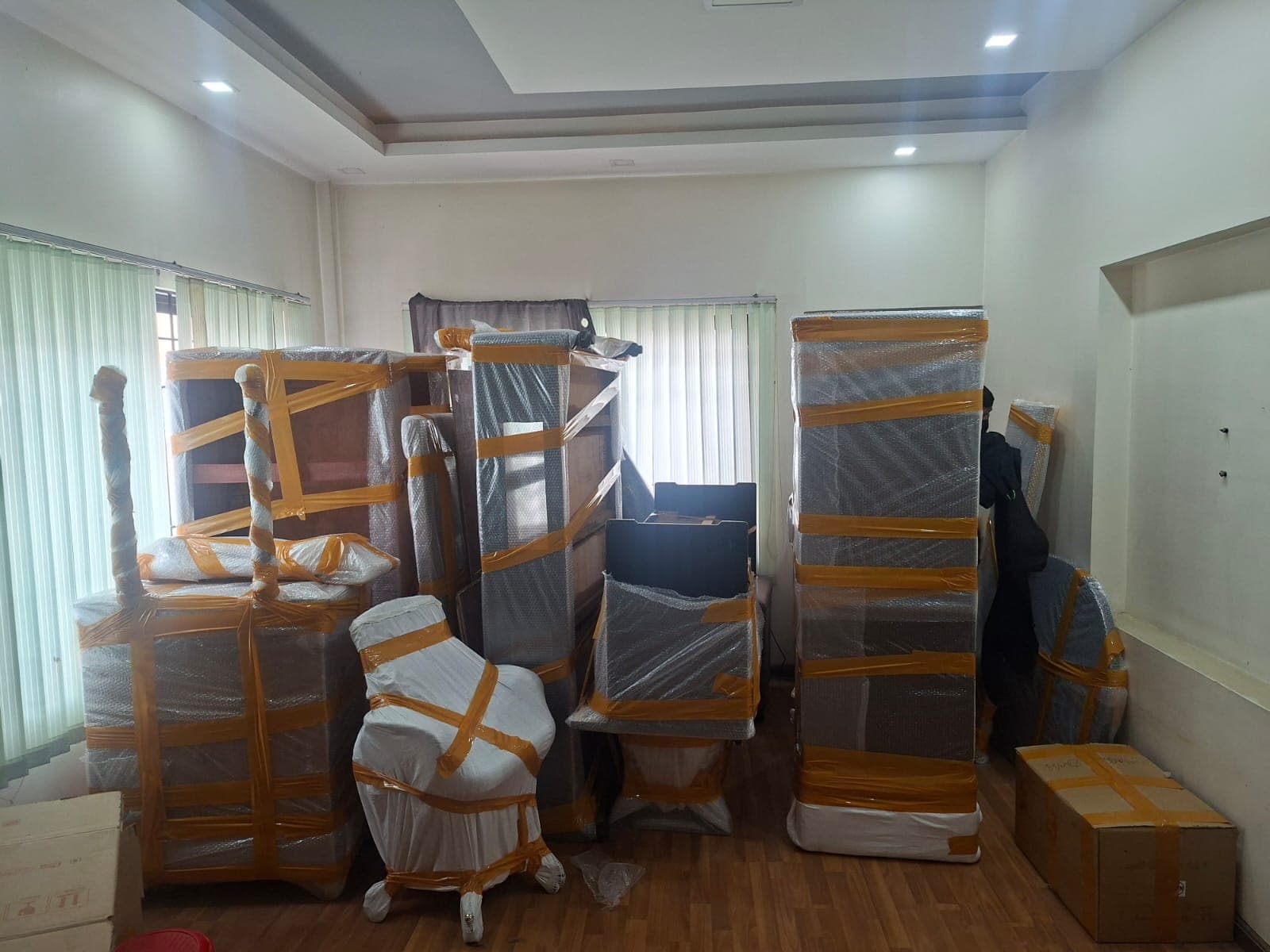
Room shifting looks simple on paper — a bed, a desk, a few boxes, done in an afternoon. And for the most part, it is simpler than a full flat or house move. But it comes with its own specific set of mistakes, many of them shaped by the fact that room shifters in Kathmandu are disproportionately students, bachelors, and budget-conscious renters moving on tighter timelines and tighter budgets than a family relocating a full household.
The mistakes that trip up a room move aren't the same ones that trip up a house move, and treating them the same way is itself part of the problem.
This guide walks through the most common room shifting mistakes in Kathmandu — why they happen, what they actually cost you, and how to avoid each one, organized around the real decisions a room-shifting renter actually makes.
Assuming that because it's "just a room," the move will obviously be quick and easy — no real planning needed, maybe just a quick call to a mover the day before, or an assumption that a couple of friends with a borrowed vehicle can handle it in an hour.
Room moves genuinely are smaller in scale than a flat or house move, and it's easy to extrapolate from that to "therefore it needs no real planning at all." There's also often less at financial stake per item compared to a full household's furniture, which can lower the perceived need for care.
A single bed frame, especially carried down a narrow, steep Kathmandu stairwell without lift access, is still a genuinely awkward and sometimes physically risky item to move — underestimating this leads to rushed, careless handling that risks both damage to the furniture and injury to whoever's carrying it.
A "quick call the day before" approach also means you're taking whatever vehicle and crew is available on short notice, rather than one properly matched to your actual load, which can mean an undersized vehicle and a frustrating, inefficient move.
Treat a room move as a genuinely planned event, just a smaller-scale one — decide your service level (full-service, labor-and-transport, or vehicle-only) a few days ahead rather than the day before, and give your mover an honest description of your furniture and box count so they can recommend the right vehicle size.
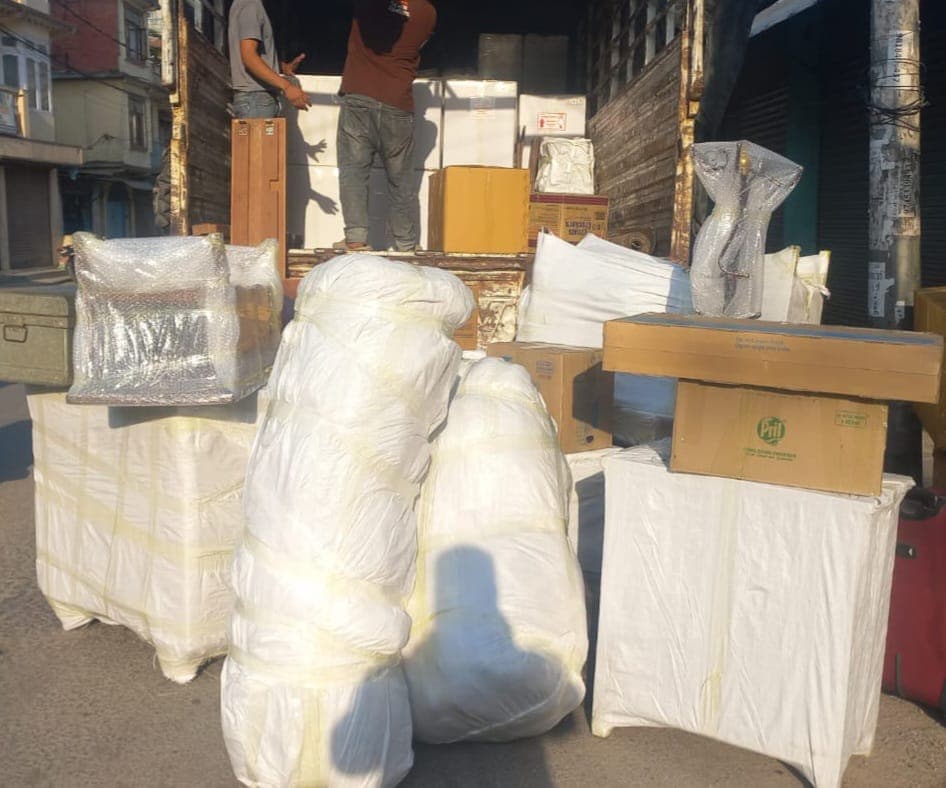
Booking whatever vehicle is available or cheapest without actually describing your furniture and box count, and discovering on moving day that everything doesn't fit in one trip.
Vehicle sizing feels like a minor detail compared to bigger moving decisions, and there's often an assumption that "any small truck should be fine for a room."
An undersized vehicle means either leaving items behind for a second trip (adding real cost and time, particularly frustrating for a move that should have been quick) or overloading the vehicle in a way that risks damage to your belongings during transit.
Given that mini trucks (in the general category of vehicles like the Tata Ace) typically carry roughly 750 kg to around 1 tonne, a room with more furniture than a typical single-occupancy setup — an extra wardrobe, a sofa, a larger study setup — can genuinely exceed this capacity, and not accounting for this in advance is a common, avoidable mistake.
Describe your actual load honestly to your mover — major furniture pieces and an approximate box count — and let them recommend the appropriate vehicle category rather than guessing yourself or defaulting to the cheapest available option.
| Your Load | Recommended Vehicle |
|---|---|
| Bed, small wardrobe, boxes (typical single-room setup) | Mini truck |
| Larger wardrobe, extra furniture, more boxes than typical | Pickup truck or medium vehicle |
| Combined with shared/kitchen items (moving with roommates) | Assess combined volume, may need a larger vehicle |
Deciding to move out and simply doing it, without confirming your specific landlord's expected notice period or documenting your room's condition beforehand.
Room rental arrangements in Nepal are often informal, particularly for single rooms and shared housing, and this informality can create a false sense that notice and deposit terms don't really apply or matter as much as they would for a formal flat lease.
Even informal room rental arrangements typically carry some expected notice from the landlord — sometimes as short as a few days for month-to-month setups, but this varies considerably between individual landlords. Moving out without giving reasonable notice can create friction with your landlord and, in some cases, affect your security deposit return.
Similarly, not documenting your room's condition before leaving removes your best evidence if there's later a dispute about damage or cleanliness affecting your deposit.
Confirm your specific landlord's expected notice period directly rather than assuming — since expectations vary a lot between individual landlords compared to formal flat rental agreements. Take a few photos of your room's condition before you move out, giving you a simple record in case of any later dispute.
Booking a full-service package — complete packing included — for a room move that consists mainly of a few boxes, a mattress, and minimal furniture, when a labor-and-transport-only or even a vehicle-only option would have covered the actual need at a lower cost.
It's not always clear to a first-time mover that tiered service options exist, and it's easy to assume "full-service" is simply "the normal way to book a move" rather than one option among several.
For budget-conscious renters — a large share of the room-shifting audience — unnecessarily paying for full packing service on a genuinely small, simple load means spending more than the move required, money that often matters more to this specific audience than to a family moving a full house.
Ask specifically about labor-and-transport-only or vehicle-only options when requesting a quote, rather than defaulting to whatever package is presented first. Pack your own boxes and bags in advance if you're comfortable doing so — this alone is often the biggest lever for reducing cost on a room-scale move.
| Service Tier | What You Handle | What the Mover Handles |
|---|---|---|
| Vehicle-only | Packing and loading/unloading | Just driving |
| Labor-and-transport | Packing your own boxes | Carrying, loading, transport, unloading |
| Full-service | Nothing | Everything — packing, loading, transport, unloading, placement |
Deciding to skip hiring any help entirely and relying on friends and a borrowed or rented vehicle to handle furniture carrying, particularly for moves involving stairs or narrow, older-building stairwells common throughout Kathmandu.
It feels like the cheapest option, and for a genuinely minimal load, it sometimes is a reasonable choice. The mistake is applying this approach indiscriminately, without honestly assessing whether the specific load and access conditions actually suit a DIY approach.
Carrying furniture — even something as ordinary as a bed frame or a wardrobe — down narrow, sometimes steep stairwells common in older Kathmandu buildings carries genuine physical injury risk when handled by inexperienced people without proper technique, especially under the fatigue of doing it themselves rather than as a paid, focused job.
There's also a real risk of damage to the furniture itself, and in some cases to the building's walls, doorframes, or stairwells, from inexperienced handling in tight spaces.
Be honest about whether your specific load and access conditions genuinely suit a DIY approach — a very minimal load with easy, ground-floor or lift access is a reasonable candidate; anything involving stairs, narrow hallways, or larger furniture is generally safer and, once you account for the risk of injury or damage, not meaningfully more expensive to have handled by an experienced crew.
Moving out of a shared room or house without a clear, explicit conversation with roommates about which furniture or shared items belong to whom, leading to confusion or disputes on moving day itself.
It can feel awkward or unnecessary to have an explicit conversation about ownership of shared items, especially with people you're on good terms with — there's an assumption that "everyone already knows" what belongs to whom.
Ambiguity about shared items — a shared table, a rice cooker, shared kitchen equipment — can lead to last-minute disputes or awkward moments right as the moving crew is trying to load a vehicle, when there's no time for a calm, thoughtful conversation about who's keeping what.
Have the ownership conversation explicitly, a few days before moving day rather than in the moment — it doesn't need to be tense or formal, just clear enough that everyone (including the moving crew, if applicable) knows what's moving and what's staying.
Assuming that because room moves can often be done same-day, no advance thought is needed even when the move is happening on short notice due to a genuine urgent situation (a landlord issue, a sudden roommate conflict).
Since room-scale loads genuinely can be moved quickly, there's a natural assumption that "quick" also means "no preparation needed" — but these are different things.
Even a same-day move benefits from at least minimal preparation — having your belongings roughly boxed or bagged, knowing your new room is actually accessible and ready, and having a clear price confirmed before the crew arrives.
Skipping this, even under time pressure, tends to make an already-stressful situation more chaotic than it needs to be, and can result in items being handled less carefully simply because nothing was organized in advance.
Even under genuine time pressure, take the small amount of time available to roughly box or bag your belongings, confirm your new room is actually ready (keys, working lock, basic cleanliness) before the move starts, and get a clear price confirmation — even an informal one over WhatsApp — before the crew begins.
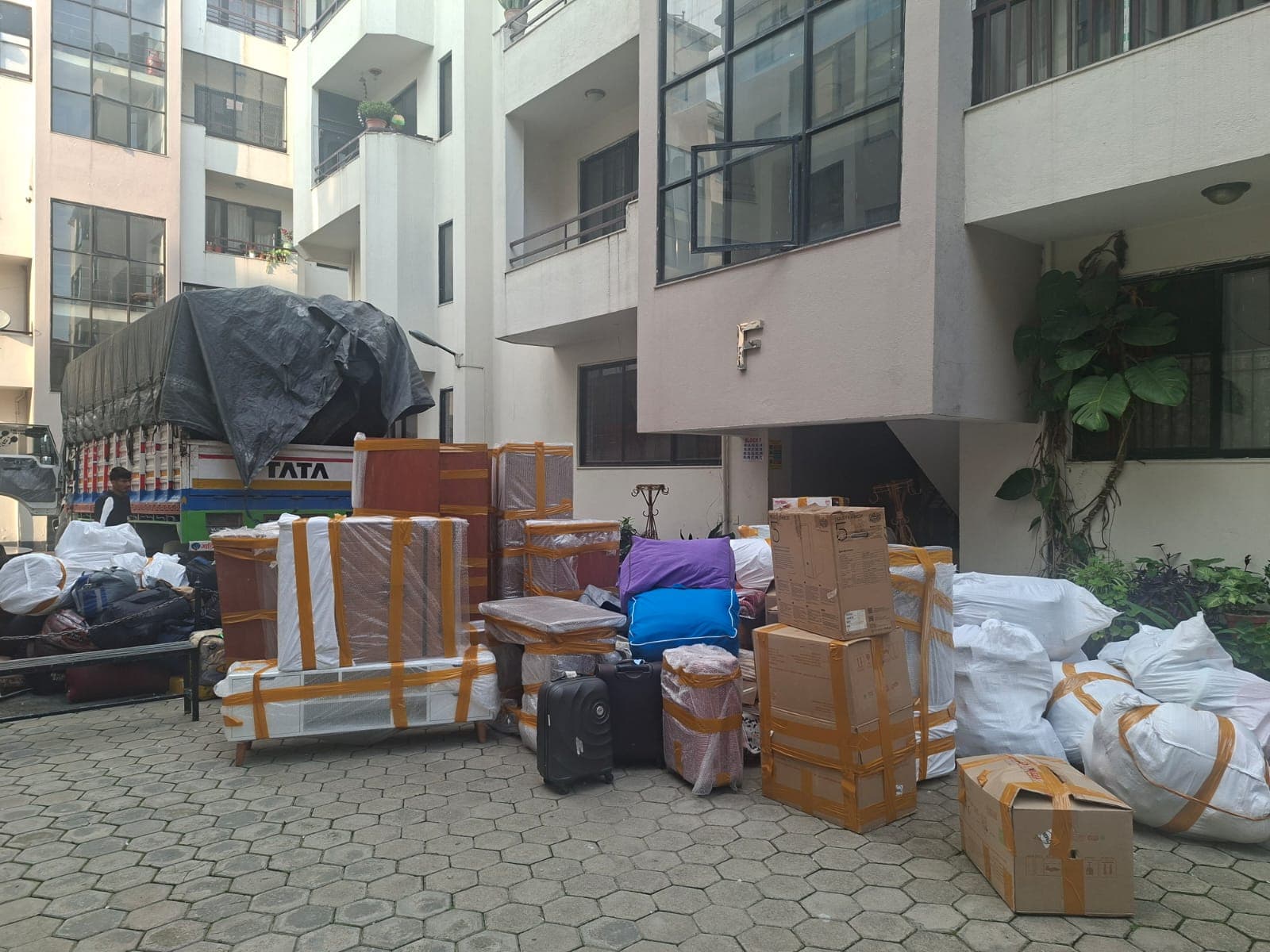
Packing a laptop or other valuable electronics loosely among general belongings, or handing them to the moving crew without any specific mention or extra care, treating them the same as any other item in the load.
For a genuinely small room move, it's easy to feel like everything is low-stakes enough not to need special treatment — but a laptop is often the single most valuable and functionally important item in a student or young professional's room move.
Electronics are more vulnerable to impact and, to some degree, static discharge than general household items, and a laptop specifically is often central to someone's work or studies — damage here has consequences well beyond the item's replacement cost.
Either carry genuinely valuable electronics personally, separate from the general moving load — a choice many people make regardless of service level as an extra precaution — or specifically flag them to your mover for appropriate padded handling rather than assuming standard packing automatically covers this.
Not mentioning that your building has no lift, that your room is up several flights of narrow stairs, or that your street is too narrow for anything beyond a small vehicle — assuming these details don't matter much for "just a room."
There's a mistaken assumption that access challenges matter mainly for larger moves (flats, houses) and are less relevant at room scale — but access conditions affect labor time and difficulty regardless of how much furniture is involved.
A no-lift, upper-floor room in an older Kathmandu building genuinely takes longer and requires more careful handling than a ground-floor room with easy access, even though the total volume being moved is identical. Not disclosing this in advance can mean a mismatch between the crew size booked and what the job actually requires, slowing down what should have been a quick move.
Mention your specific floor level, lift status, and any narrow-lane access explicitly when booking, even for a small room move — this ensures the right crew size and vehicle are arranged from the start.
| Access Condition | Effect on a Room Move |
|---|---|
| Ground floor or lift access | Fastest, most straightforward scenario |
| Upper floor, no lift | Adds real time and labor even for a small load |
| Narrow lane, no direct vehicle access | Adds carrying distance and time |
Agreeing to a vague price ("it'll be cheap, don't worry") without a specific number confirmed before the crew begins loading, particularly common in informal, short-notice room-move arrangements.
Room moves often feel too small-scale to warrant a formal quote process, and there's sometimes a casual, word-of-mouth quality to how these arrangements get booked, especially among students and younger renters.
A vague, unconfirmed price is exactly the situation where confusion or disputes happen — the final number can end up higher than expected, with no clear reference point to push back against, precisely because nothing specific was agreed in advance.
Get a clear price confirmed before the move starts — even a simple, informal WhatsApp message stating the agreed amount is enough to prevent confusion, and it takes only a minute to secure.
Booking whichever moving company comes up first, assuming that any mover — regardless of their typical focus — will handle a small room move with the same attentiveness and fair pricing as a larger, higher-value job.
It's easy to assume "a mover is a mover" regardless of job size, without considering that some providers may deprioritize smaller, lower-revenue jobs in favor of larger ones, particularly during high-demand periods.
A mover that doesn't genuinely prioritize smaller jobs may offer less flexible scheduling, less careful handling, or simply less attentive service for a room move compared to a larger booking — not necessarily out of bad faith, but because the incentives naturally favor larger jobs when a provider is stretched during busy periods.
Look specifically for a provider that offers genuine flexibility across job sizes — including clear budget-tier options (labor-only, vehicle-only) designed for smaller moves — rather than one whose service structure seems built primarily around larger household or business jobs.
Nepal City Packers and Movers sizes its service and vehicle to the actual job, whether that's a single room or a full house, rather than treating smaller bookings as an afterthought.
Leaving the old room without a genuine final look through drawers, corners, closets, or under furniture — assuming everything visible has already been packed and loaded.
By the time the room is mostly emptied, there's often a sense that the job is essentially done, and a final walkthrough feels redundant.
Items left in drawers, tucked into corners, or under a bed frame are genuinely easy to overlook once the room looks mostly empty — and going back for a forgotten item after you've already left, especially if it's on the other side of the city or you've already handed back your keys, is far more inconvenient than a two-minute final check would have been.
Do a genuine final walkthrough — check every drawer, closet, corner, and under any furniture that was in the room — before handing back your keys or considering the move complete.
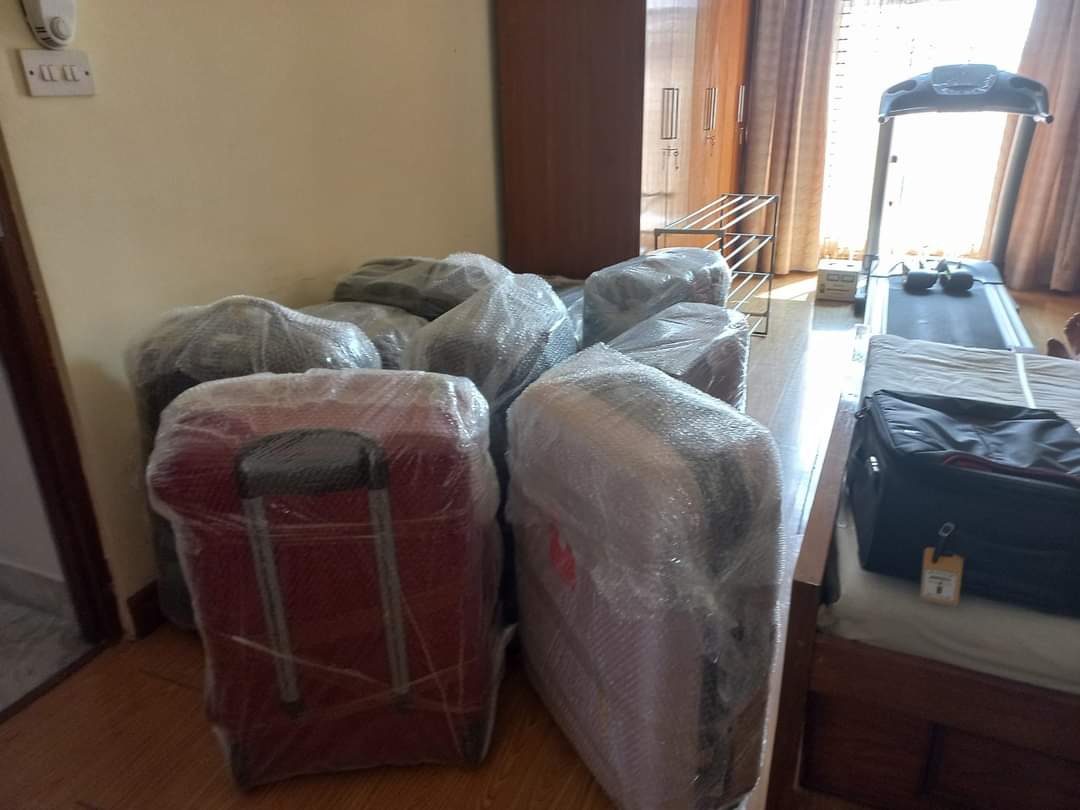
| # | Mistake | Core Fix |
|---|---|---|
| 1 | Underestimating a "small" load's real handling needs | Plan a room move properly, even at small scale |
| 2 | Wrong vehicle size for the actual load | Describe furniture and box count honestly to your mover |
| 3 | Not clarifying notice/deposit terms with your landlord | Confirm expectations directly; document room condition |
| 4 | Overpaying for full-service on a small load | Ask about labor-only or vehicle-only budget tiers |
| 5 | DIY move without weighing real injury/damage risk | Be honest about whether your load/access suits DIY |
| 6 | Poor roommate coordination on shared items | Have the ownership conversation explicitly, in advance |
| 7 | No preparation even for genuinely urgent short-notice moves | Box roughly, confirm new room is ready, get price confirmed |
| 8 | Inadequate protection for laptops/electronics | Carry valuables personally or flag them for special handling |
| 9 | Not disclosing floor/lift/lane access for a "small" move | Mention access conditions explicitly regardless of job size |
| 10 | No confirmed price before the move starts | Get a clear price, even informally, before loading begins |
| 11 | Assuming all movers treat small jobs equally well | Choose a provider genuinely flexible across job sizes |
| 12 | Skipping a final walkthrough of the old room | Check every drawer, corner, and closet before leaving |
It's worth naming the underlying pattern across all twelve mistakes: each one individually feels minor precisely because the move itself is small in scale. But a room move happening on a tight budget, often on short notice, for someone (frequently a student or young professional) who may not have moved independently many times before, is exactly the situation where a handful of small oversights compound into a stressful, more expensive, or physically risky experience — the opposite of what should be the simplest category of move in this entire guide series.
The genuine fix, as with the other move types covered in this content cluster, isn't extraordinary effort — it's simply not skipping the handful of steps that feel optional under the specific pressures (budget, time, informality) that shape most room moves.
Against Mistake 2, vehicle sizing is matched to the actual described load rather than defaulting to a one-size package. Against Mistake 4, budget-tier options — labor-and-transport-only, not just full-service — are offered specifically because they suit a large share of the room-shifting audience.
Against Mistake 7, same-day and short-notice requests are handled with genuine flexibility, given how common urgent room moves are. Against Mistake 9, access conditions are asked about directly, regardless of how small the job appears, so the right crew size and vehicle are arranged from the start.
Against Mistake 11, room moves are treated as a genuine, properly served category — not an afterthought squeezed in around larger bookings — reflecting how common and important this move type is across Kathmandu's large student and young-professional rental population.
What's the most common mistake people make with room shifting in Kathmandu?
Underestimating how much even a "small" load actually requires in terms of planning — vehicle sizing, access conditions, and basic preparation — simply because room moves are smaller in scale than a flat or house move.
Is it a mistake to do a room move with friends instead of hiring help?
Not automatically, but it becomes a genuine risk when the load involves stairs, narrow hallways, or larger furniture — carrying items like a bed frame down a steep, narrow Kathmandu stairwell carries real injury and damage risk for inexperienced helpers.
How much notice do I need to give my landlord before a room move?
This varies considerably by individual landlord, especially for informal room rental arrangements — some allow just a few days' notice for month-to-month setups, but it's best to confirm directly rather than assume.
Should I always choose full-service packing for a room move?
Not necessarily — for many room moves, a labor-and-transport-only option (where you pack your own boxes) is more cost-effective and still removes the physically demanding parts of the move, particularly relevant for budget-conscious renters.
What size vehicle do I need for a single room move?
Most single-room moves fit in a mini truck (in the general category of vehicles like the Tata Ace), typically suited to a bed, small wardrobe, desk, and a reasonable number of boxes. Larger or additional furniture may need a bigger vehicle — describe your load honestly to your mover for an accurate recommendation.
How should I protect my laptop during a room move?
The safest approach is to carry it personally, separate from the general moving load, rather than assuming standard packing automatically provides adequate protection for something this valuable and functionally important.
What should I do if I'm sharing a room or house and only I'm moving out?
Have an explicit conversation with your roommates about which items are yours versus shared, ideally a few days before moving day, to avoid confusion or disputes when the moving crew is actually there to load your belongings.
Can I get a room shifting service on very short notice?
Often yes, given the small scale typically involved, but even under time pressure it's worth taking a few minutes to roughly box your belongings, confirm your new room is actually ready, and get a clear price confirmed before the crew arrives.
Does floor and lift access really matter for a small room move?
Yes — a no-lift, upper-floor room genuinely takes longer and requires more careful handling than a ground-floor or lift-accessible one, even with an identical volume of belongings, so this should be disclosed to your mover regardless of how small the overall job seems.
How do I avoid a price dispute during a room move?
Get a clear price confirmed before the move starts — even an informal WhatsApp confirmation is enough to establish a reference point and prevent confusion or disagreement once the job is underway.
What's the biggest risk of not doing a final walkthrough before leaving my old room?
Items left in drawers, corners, or under furniture are genuinely easy to overlook once a room looks mostly empty, and retrieving something forgotten after you've already left — especially after handing back your keys — is far more inconvenient than a quick final check would have been.
Does Nepal City Packers and Movers treat room moves as seriously as larger moves?
Yes — room shifting is treated as its own properly served category, with genuine flexibility across service tiers (including budget-friendly labor-and-transport options), same-day availability where feasible, and vehicle sizing matched to the actual described load, rather than being squeezed in as an afterthought around larger bookings.
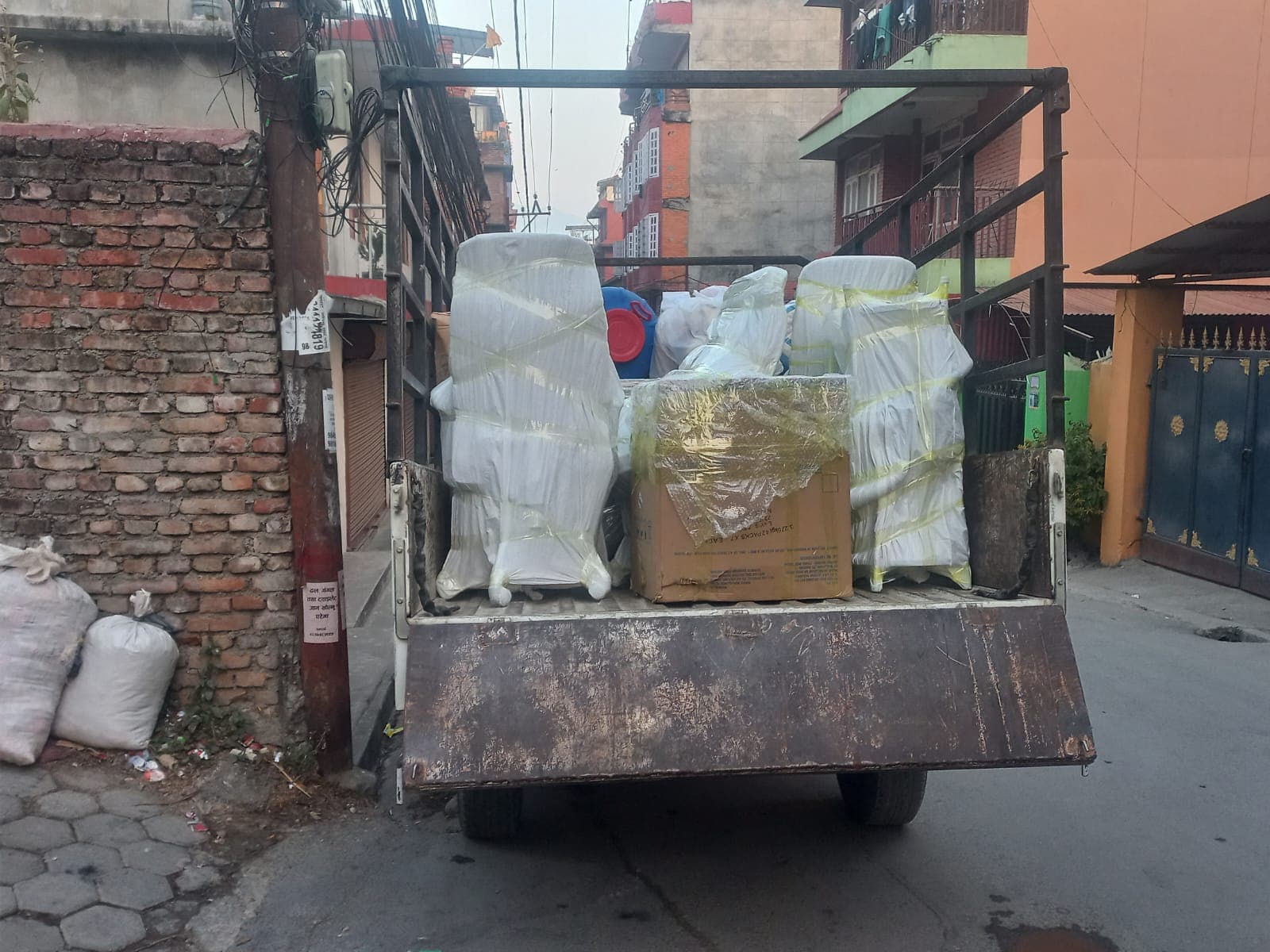
A room move being smaller in scale doesn't mean it deserves less planning — if anything, the tight budgets, short timelines, and often first-time-mover circumstances that shape most room moves make these twelve mistakes easier to fall into, not harder.
Avoid them, and Nepal City Packers and Movers can help make sure a "small" move still gets the right vehicle, the right service tier, and the same careful handling as any larger job.

Nepal City Packers and Movers
Share:
Explore Our Range of Moving & Logistics Services

Experience fast and reliable domestic and international courier services with Nepal City Packers and Movers. Secure delivery for all your packages, locally and globally!

Explore additional services by Nepal City Packers and Movers, including loading, unloading, parking assistance, and more. Tailored solutions for all your needs!

Explore reliable two-wheeler transport services by Nepal City Packers and Movers. Safe, secure, and timely bike transportation locally or across Nepal. Contact us today!
 Nepal City Packers and Movers - Banepa, Kavre
 Top Packers and Movers - Bouddha, Kathmandu
 Professional Packers and Movers - Balaju, Kathmandu
 Reliable and Affordable Packers and Movers - Baluwatar, Kathmandu
 Top-Rated Packers and Movers - Maharajgunj, Kathmandu
 Leading Packing and Moving Service | Nepal City Packers and Movers - Durbarmarga, Kathmandu
 Nepal city packers and movers - Lalitpur, Nepal
 Nepal City Packers and Movers - Thimi, Bhaktapur
 Reliable Packers and Movers - Kupandole, Lalitpur
 Affordable and Reliable Packers and Movers - kalanki, Kathmandu